In a world where greetings often become routine, the Indian tradition of Namaste stands apart as a timeless expression of respect, humility, and human connection. More than a customary greeting, Namaste is a reflection of India’s rich cultural heritage and spiritual philosophy, reminding us that every interaction begins with dignity and mutual respect.
'The Art of Namaste'
A simple gesture with a profound meaning.
Namaste, derived from the Sanskrit words "namah" (to bow) and "te" (to you), is a traditional Indian greeting that conveys respect, gratitude, and humility. Accompanied by folded hands, it reflects the belief in… pic.twitter.com/xTsFH7WHD6
— India in Oman (Embassy of India, Muscat) (@Indemb_Muscat) July 5, 2026
What Does Namaste Mean?
The word Namaste is derived from two Sanskrit words: “namah,” meaning to bow, and “te,” meaning to you. Together, the phrase translates to “I bow to you.” However, its deeper meaning goes beyond a physical gesture. It symbolises the recognition of the divine essence or inner light present in every individual. When someone says “Namaste,” they are not merely greeting another person; they are acknowledging their inherent worth, humanity, and spiritual presence.
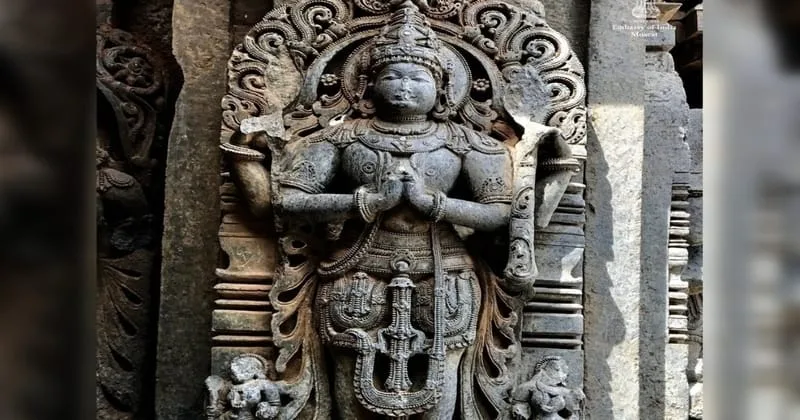
Namaste is traditionally accompanied by the Anjali Mudra, where both palms are joined together in front of the chest with a slight bow of the head. This simple gesture carries profound symbolism:
The joining of the palms represents unity and harmony.
The slight bow expresses humility and respect.
The position near the heart signifies sincerity and compassion.
Unlike greetings that involve physical contact, Namaste conveys warmth and goodwill while respecting personal space, making it universally appropriate.
For centuries, Namaste has been an integral part of Indian traditions, practised across homes, temples, schools, and public life. It is used to welcome guests, greet elders, express gratitude, seek blessings, and bid farewell.
Indian philosophy teaches that every individual deserves respect regardless of age, status, or background. Namaste beautifully embodies this belief by placing equality and mutual respect at the heart of every interaction.
Many Indian philosophical traditions interpret Namaste as: “The divine in me bows to the divine in you.”
This understanding reflects the idea that all human beings share a common spiritual essence. By recognising this shared divinity, Namaste encourages compassion, empathy, and peaceful coexistence.
It serves as a reminder that respect should extend beyond social conventions and become a way of life.
The significance of Namaste gained renewed global recognition during the COVID-19 pandemic, when contact-free greetings became preferable to handshakes and hugs. Leaders, diplomats, healthcare professionals, and people around the world adopted Namaste as a safe, respectful, and elegant alternative. Its widespread acceptance highlighted how an ancient Indian tradition remains relevant in addressing modern challenges.
Beyond Words
Namaste is not simply spoken—it is practised through attitude and conduct. The gesture teaches values that remain timeless:
-Respect for every individual
-Humility in human relationships
-Gratitude and kindness
-Peaceful coexistence
-Harmony despite differences
These principles transcend language, religion, and nationality, making Namaste a universal symbol of goodwill.
In today’s fast-paced world, where meaningful human connections are often overlooked, Namaste reminds us that even the simplest gestures can carry extraordinary significance. It reflects the enduring Indian ideals of courtesy, compassion, and mutual respect while encouraging people to approach one another with sincerity and humility.
More than just a greeting, Namaste is a philosophy of life, one that celebrates the dignity within every person and reminds us that genuine respect is the foundation of lasting relationships. As cultures continue to interact and evolve, the timeless art of Namaste remains a powerful symbol of unity, peace, and shared humanity.