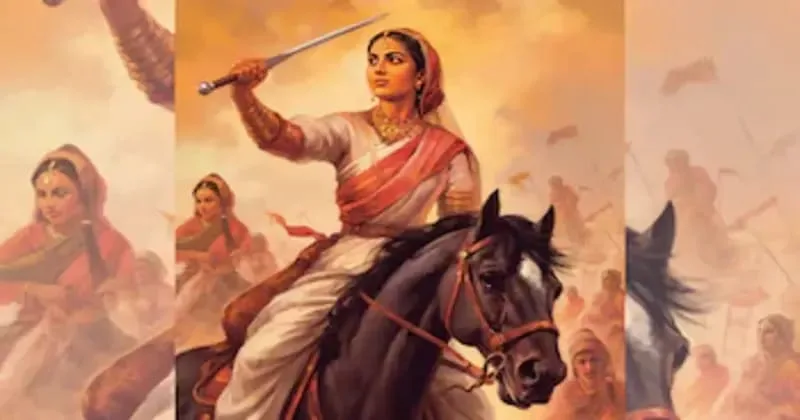
Rani Lakshmibai, the Queen of Jhansi
Rani Lakshmibai, the Queen of Jhansi, occupies a unique place in India’s history as a symbol of courage, sacrifice, and unwavering resistance against colonial rule. On her death anniversary, observed on June 18, the nation remembers one of the most iconic figures of the First War of Independence of 1857, whose bravery continues to inspire generations.
Born as Manikarnika Tambe in Varanasi around 1828, Lakshmibai received an upbringing that was uncommon for women of her time. She was trained in horse riding, sword fighting, and martial arts, skills that would later define her legacy. After her marriage to Maharaja Gangadhar Rao of Jhansi, she became known as Rani Lakshmibai.
A turning point in her life came after the death of her husband in 1853. The British East India Company refused to recognise her adopted son, Damodar Rao, as the rightful heir under the controversial Doctrine of Lapse. Determined to protect her kingdom, Lakshmibai resisted British attempts to annex Jhansi and emerged as one of the foremost leaders of the uprising of 1857.
When the revolt spread across northern India, Rani Lakshmibai took charge of Jhansi’s defense. She organised her forces, strengthened the fortifications, and led her troops with remarkable determination. Despite facing a well-equipped British army, she refused to surrender. During the siege of Jhansi in 1858, she fought fiercely and later escaped to continue the struggle alongside other rebel leaders.
Her final battle came near Gwalior in June 1858. Dressed as a warrior and leading her troops from the front, Lakshmibai fought until her last breath. She was killed in combat on June 18, 1858, becoming a martyr in India’s struggle against colonial rule. Her courage earned admiration even from her adversaries, and her name became synonymous with fearless resistance.
Paying tribute to the warrior queen on her martyrdom day, Home Minister Amit Shah said that Rani Lakshmibai’s valiant leadership during the 1857 War of Independence infused the entire freedom movement with renewed energy and direction. In a social media post, Shah described her heroic saga as an eternal source of inspiration for the people of the country and hailed her enduring contribution to India’s struggle for freedom.
More than a century and a half after her death, Rani Lakshmibai continues to inspire Indians through literature, folklore, monuments, and popular culture. The famous lines, “Khoob ladi mardani, woh to Jhansi wali Rani thi,” immortalised her as a warrior who challenged an empire. Her life remains a powerful reminder of the role women played in shaping India’s freedom movement.
On her death anniversary, the nation pays tribute to the indomitable spirit of Rani Lakshmibai, a queen who chose sacrifice over surrender and whose legacy of courage continues to resonate across generations.
