In a resignation letter addressed to TMC supremo and former Chief Minister Mamata Banerjee, Santanu Sen said he could no longer continue defending the party in the wake of public anger over corruption allegations and controversial incidents that damaged the party’s credibility.
The former Rajya Sabha MP stated that despite personal disagreements during several difficult phases, he had consistently defended the party in public forums and media debates. However, he said the political circumstances following the election defeat had made it impossible for him to continue in that role.
In his letter, Sen referred to allegations of corruption and controversies including the RG Kar rape-murder case, the Abhaya case, and the cash-for-jobs scam, claiming that these issues had contributed to the electorate’s rejection of the party.
According to the resignation letter, Sen wrote that the people’s verdict reflected dissatisfaction with what he described as “immoral acts and corruption,” and therefore he no longer felt comfortable representing the party as its spokesperson.
He requested that his resignation from the position of All India Spokesperson of the Trinamool Congress be accepted while respecting what he termed the mandate of the people.
Resignation comes after historic electoral defeat
The resignations are unfolding against the backdrop of the 2026 West Bengal Assembly election results, which saw the BJP register a historic victory in the state.
The BJP secured 208 seats in the 294-member Assembly, ending more than a decade of Trinamool Congress rule and ushering in a new political era under Chief Minister Suvendu Adhikari.
Political observers believe the scale of the defeat has triggered introspection within the TMC, with several leaders openly questioning organisational decisions and the party’s handling of key controversies in recent years.
Kakoli Ghosh Dastidar’s exit added to the turmoil
Santanu Sen’s resignation follows closely on the heels of TMC MP Kakoli Ghosh Dastidar stepping down from her organisational responsibilities within the party.
Dastidar resigned as the head of the party’s women’s wing and publicly expressed dissatisfaction over what she described as the party leadership’s failure to protect her from the conduct of fellow TMC MP Kalyan Banerjee.
The dispute intensified after Kalyan Banerjee replaced Dastidar as the party’s chief whip in the Lok Sabha, a move that reportedly aggravated tensions within the organisation.
Complaint against Kalyan Banerjee
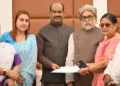
The controversy escalated further on Thursday (May 28) when Dastidar sought permission from Lok Sabha Speaker Om Birla to file a formal complaint against Kalyan Banerjee.
In her complaint, she reportedly accused the senior MP of misogynistic behaviour and repeated verbal abuse inside Parliament.
Kalyan Banerjee, however, hit back strongly, making allegations related to the Narada sting controversy and accusing Dastidar of supporting illegal syndicates operating in Kolkata.
The public exchange between two senior TMC leaders has added to perceptions of growing factionalism within a party already grappling with the consequences of a major electoral setback.
Signs of wider discontent within TMC
The back-to-back resignations have fuelled speculation about deeper unrest within the Trinamool Congress following its loss of power in West Bengal.
Political analysts note that while leadership changes and organisational reshuffles are common after electoral defeats, public resignations accompanied by criticism of the party’s handling of corruption allegations and internal disputes indicate a more serious challenge.
The references made by Santanu Sen to corruption controversies, coupled with Kakoli Ghosh Dastidar’s accusations against a fellow party MP, suggest that sections of the party are increasingly willing to voice grievances publicly rather than through internal channels.
Whether these resignations remain isolated incidents or signal a broader churn within the Trinamool Congress will likely become clearer in the coming weeks as the party attempts to reorganise itself in the aftermath of its biggest electoral defeat in recent history.