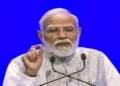
Hyderabad: Prime Minister Narendra Modi’s recent address in Hyderabad was not just a routine political speech; it was a strategic national call for collective economic discipline at a time when global uncertainties are exerting pressure on India’s growth trajectory. Framed against the backdrop of geopolitical tensions, volatile energy markets, disrupted supply chains, and rising inflation, the Prime Minister’s appeal reflects a shift toward citizen-driven economic resilience.
PM Modi’s appeal to Indians
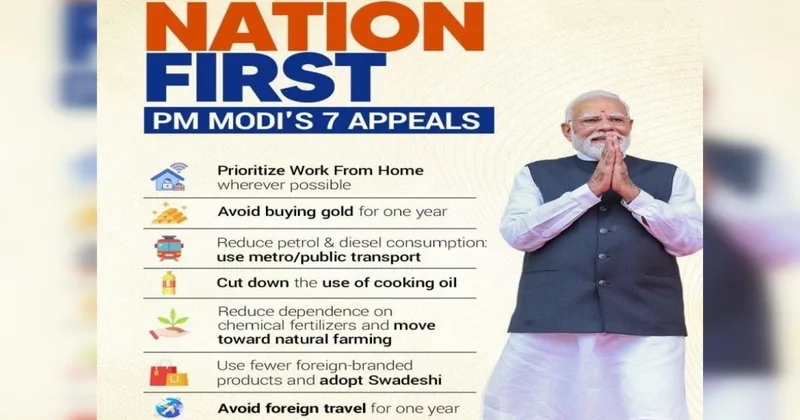
PM Modi in his speech in Hyderabad called for a collective participation to help India face global economic disruptions, supply chain challenges, and rising prices caused by international conflicts.
1. PM Modi has urged citizens to reduce petrol and… pic.twitter.com/y4U1uDzDfI
— Akhilesh Mishra (@amishra77) May 10, 2026
A Call Rooted in Global Economic Reality
The world economy today is grappling with the after-effects of multiple crises—from the COVID-19 pandemic to ongoing international conflicts that have disrupted trade routes and increased the cost of essential commodities. For a country like India, which imports a significant portion of its crude oil, edible oil, fertilisers, and gold, these disruptions translate into higher import bills and pressure on foreign exchange reserves.
Recognising these challenges, PM Modi’s speech attempts to bridge macroeconomic concerns with micro-level behavioural changes. His message is clear: India’s economic strength is not determined solely by policy decisions in New Delhi, but also by the daily choices of its 1.4 billion citizens.
Reducing Fuel Dependence: A Strategic Imperative
One of the central themes of the appeal was reducing dependence on petrol and diesel. India’s heavy reliance on imported crude oil makes it vulnerable to global price shocks. Every increase in oil prices directly affects inflation, transportation costs, and household expenses.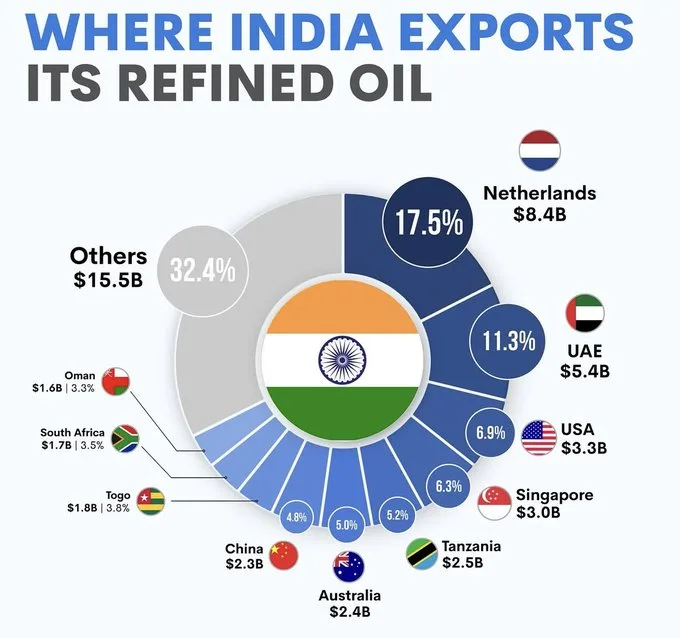 India is the world’s third-largest oil importer and consumer, making it particularly exposed to fluctuations in global energy markets. Every barrel India imports now costs significantly more in dollar terms, accelerating the drain on foreign exchange reserves.
Notably, India has not raised pump prices for diesel or petrol despite the global surge, making it one of the few major importers still absorbing the cost at the state level. In this context, the strategy appears to focus on reducing consumption volumes rather than passing the burden on to citizens through higher prices.
To counter this, Narendra Modi urged citizens to:
-Use metro systems and public transport wherever available
-Opt for carpooling instead of single-occupancy vehicle use
-Prefer railways over road transport for goods movement. Transition toward electric vehicles (EVs)
These suggestions are not merely environmental; they are deeply economic. Reduced fuel consumption can significantly cut import expenditure, stabilise the rupee, and ease inflationary pressures. At the same time, the push for EVs aligns with India’s long-term clean energy goals and reduces dependence on fossil fuels.
Learning from Crisis: Reviving Covid-Era Efficiency
Another notable aspect of the speech was the suggestion to revive certain practices that became common during the pandemic. The COVID-19 pandemic forced governments, businesses, and individuals to adopt remote working, virtual meetings, and digital communication tools.
PM Modi highlighted how these measures led to:
-Reduced fuel consumption due to less commuting
-Lower operational costs for businesses
-Increased time efficiency and productivity
By encouraging continued use of work-from-home models, online conferences, and virtual meetings where feasible, the Prime Minister is advocating for a structural shift in how India works. This is not about returning to lockdown conditions, but about retaining efficiency gains that can contribute to long-term economic savings.
Protecting Foreign Exchange Reserves
Foreign exchange reserves act as a financial cushion for any country, helping it manage imports, stabilise currency fluctuations, and maintain investor confidence. PM Modi’s appeal strongly emphasised the need to conserve these reserves.
He called on citizens to:
-Avoid unnecessary foreign travel, including luxury vacations and destination weddings
-Choose domestic tourism, thereby boosting local economies
-Postpone non-essential gold purchases for at least a year
India is one of the largest importers of gold, and such purchases significantly contribute to foreign currency outflow. By temporarily reducing demand, the country can ease pressure on its reserves. At the same time, promoting domestic tourism serves a dual purpose—it keeps money within the country while generating employment in sectors like hospitality, transport, and local crafts.
Strengthening “Made in India” Consumption
A major pillar of PM Modi’s economic vision is self-reliance, often articulated through the “Atmanirbhar Bharat” initiative. In his Hyderabad speech, he reinforced this by urging citizens to prioritise locally manufactured goods.
From everyday items like shoes, bags, and accessories to larger consumer goods, choosing Indian-made products can:
-Boost domestic manufacturing
-Support small and medium enterprises (SMEs)
-Create jobs and stimulate local economies
-Reduce dependence on imports
This shift in consumer behaviour, if adopted widely, could have a multiplier effect on India’s economic growth.
Linking Health with Economic Policy: Edible Oil Consumption
In a unique intersection of public health and economic strategy, PM Modi also addressed edible oil consumption. India imports a large portion of its edible oil requirements, making it another major contributor to the import bill.
By encouraging families to reduce oil consumption, he highlighted two key benefits:
-Improved health outcomes, reducing lifestyle diseases
-Lower import dependence, saving foreign exchange
This approach demonstrates how individual lifestyle changes can align with national economic priorities.
Agricultural Reforms: Toward Sustainability and Self-Reliance
The Prime Minister’s appeal to farmers reflects a long-term vision for sustainable agriculture. He urged:
-A 50 per cent reduction in chemical fertiliser usage
-Adoption of natural farming techniques
-Transition to solar-powered irrigation pumps instead of diesel-based systems
India imports a substantial amount of fertilisers, and global price fluctuations have made them increasingly expensive. Reducing dependence on chemical inputs can not only cut costs but also improve soil health and crop quality.
Similarly, solar-powered irrigation offers a cleaner and more cost-effective alternative to diesel pumps, reducing both fuel consumption and carbon emissions.
A Model of Participatory Governance
What makes this appeal significant is its emphasis on participatory governance. Rather than relying solely on government interventions such as subsidies, policy reforms, or fiscal measures, PM Modi is calling for a bottom-up approach where citizens actively contribute to economic stability.
This model recognises that:
-Individual actions, when aggregated, can produce large-scale economic impact
-Behavioural change is often more sustainable than policy enforcement
-National resilience depends on shared responsibility
Challenges and Practical Considerations
While the appeal is comprehensive, its success depends on several factors:
-Availability and accessibility of public transport in smaller cities
-Affordability and infrastructure for electric vehicles
-Willingness of businesses to adopt hybrid work models
-Cultural preferences related to gold purchases and foreign travel
-Awareness and support for natural farming practices
For many citizens, especially in rural and semi-urban areas, these changes may require structural support from the government to become feasible.
PM Modi’s Hyderabad speech can be seen as an attempt to transform economic management into a collective national movement. In times of global instability, such an approach emphasises resilience through unity and discipline. Whether it is reducing fuel consumption, supporting local industries, conserving foreign exchange, or adopting sustainable farming practices, the underlying message remains consistent: India’s economic strength lies not just in its policies, but in the collective actions of its people.