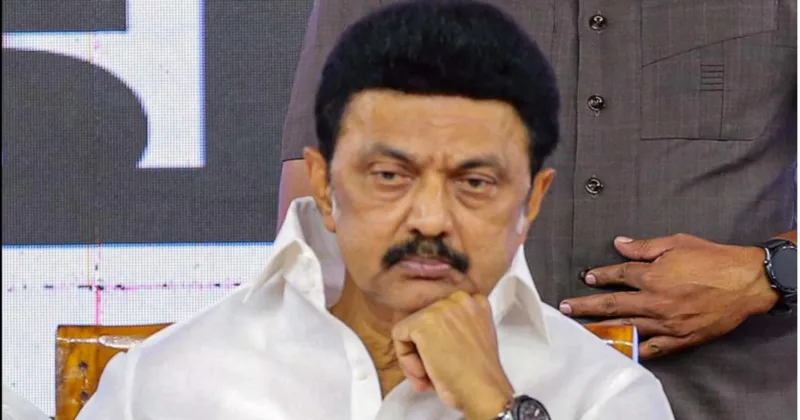
Kolathur, long considered a safe seat for the ruling Dravida Munnetra Kazhagam (DMK), has been represented by Stalin since 2011. His defeat here is not just symbolic but politically seismic, raising serious questions about the party’s grassroots connect and electoral strategy. Known for its strong organisational structure and welfare-driven governance model, the DMK appeared confident going into the polls. However, the results suggest a deeper churn among voters, particularly in urban constituencies.
The loss carries personal significance for Stalin, who has been the face of the DMK’s governance and political messaging. For a sitting Chief Minister to lose his own seat is rare in Tamil Nadu politics and underscores the scale of the upset engineered by TVK.
The Rise of TVK: From Cinema to Centre Stage
The emergence of TVK as a formidable political force has been nothing short of extraordinary. Founded by Vijay, one of Tamil cinema’s biggest stars, the party has rapidly transformed from a debutant outfit into a serious contender for power. As of the latest trends, TVK has won 11 seats and is leading in 96 others, placing it within touching distance of the majority mark of 118 in the 234-member Assembly.
Political analysts attribute TVK’s meteoric rise to a combination of factors: Vijay’s massive fan base, effective grassroots mobilisation, and a campaign that tapped into voter fatigue with traditional Dravidian parties. The party’s messaging—focused on governance reform, anti-corruption, and youth empowerment—appears to have resonated strongly, especially among first-time voters and urban middle classes.
Vijay’s transition from cinema to politics mirrors a long tradition in Tamil Nadu, where film personalities have successfully entered public life. However, the scale and speed of TVK’s ascent set it apart, suggesting a deeper appetite for political alternatives.
DMK on the Back Foot
For the DMK, the results so far indicate a significant setback. With only a handful of seats won and leads in several constituencies, the party now faces the prospect of losing power despite being the incumbent. This comes as a surprise to many observers who expected the DMK to benefit from incumbency advantages and its established welfare schemes.
Party insiders point to multiple factors behind the underperformance: anti-incumbency sentiment, local-level dissatisfaction, and the inability to counter TVK’s narrative effectively. The opposition campaign appears to have successfully framed the election as a referendum on governance, placing the DMK on the defensive.