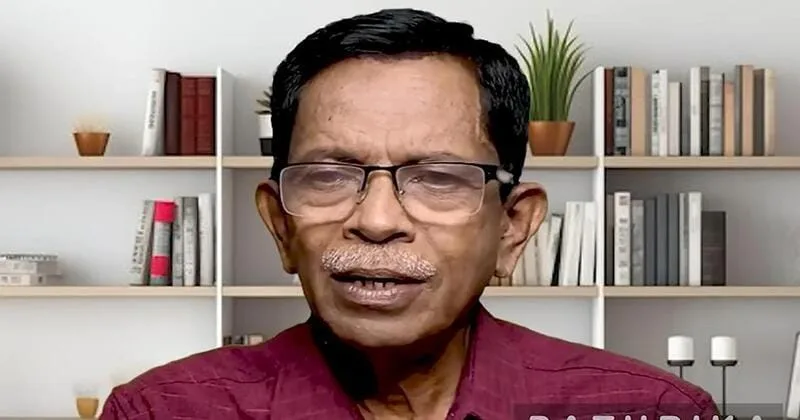
Kochi: Right-wing political commentator T G Mohandas was taken into custody from his residence in Mattancherry, on August 10, in connection with a case over the remarks made in a YouTube video on the Delhi students’ protest over the NEET paper leak. While police said he was present when the investigation team arrived, questions are now being raised over the manner in which the arrest was carried out.
TG യോടൊപ്പം..
അദ്ദേഹം ഒളിവിലായിരുന്നില്ല.
ആരെയും വെല്ലുവിളിച്ചിട്ടുമില്ല പോലീസിനെ അവഹേളിച്ചിട്ടുമില്ല.
ഒരു ഫോൺ കോൾ മതിയായിരുന്നു അദ്ദേഹം പോലീസ് സ്റ്റേഷനിൽ ഹാജരാകുമായിരുന്നു. എന്നിട്ടും മാധ്യമങ്ങളെ ഒക്കെ അറിയിച്ച് കോലാഹലമുണ്ടാക്കി അറസ്റ്റ് ചെയ്തത് രാഷ്ട്രീയ പക പോക്കലാണ്. ‘പൊക്കി’… pic.twitter.com/wfOkezWyl3— J Nandakumar (@kumarnandaj) August 10, 2026
Mohandas has rejected the suggestion that he was hiding or evading the police. According to his account, he had not challenged the police or disrespected them and would have appeared before the investigating team if he had simply been asked to do so. The controversy, therefore, is not merely about the arrest but also about the manner in which it was executed.
Was the media attention necessary?
A team from the Thiruvananthapuram Cyber Police Station, along with local police officials, reached Mohandas’ residence at Koovappadam near Mattancherry on August 10 evening. Police said Mohandas was present at the residence when the team arrived and that officials collected information relating to his YouTube account and digital equipment used to create and upload the video. This raises an obvious question: If the accused was present at his residence and was not attempting to evade the investigation, why was a dramatic arrest operation necessary?
A simple phone call asking Mohandas to appear before the Cyber Police could arguably have achieved the same investigative objective. If he was willing to cooperate, there was seemingly little reason to turn the episode into a high-profile spectacle.
The matter could have been handled in a far more routine manner. Instead, the media was informed, attention was drawn to the arrest and the entire episode was projected as though a major offender had been apprehended.
The central allegation is therefore one of political vendetta. Mohandas’ supporters says that the manner of his detention appears disproportionate, particularly when police themselves said he was present at his residence when the team arrived. The argument is straightforward: if there was a complaint, summon him; if questioning was required, call him to the police station; if he cooperates, proceed with the investigation. Instead, the government chose the more sensational route, creating a commotion around the arrest and allowing the incident to become a political story in itself.
Investigation or political theatre?
If Mohandas’ YouTube remarks violated any legal provision, the Cyber Police are entitled to investigate the matter and take action in accordance with the law. But the existence of an investigation does not automatically answer questions about the manner in which the accused was treated.
An arrest should serve a clear legal purpose, not become a public spectacle. When a person is found at his residence and is apparently not fleeing or resisting the investigation, the necessity and proportionality of the arrest procedure naturally become matters of public debate. The government now faces questions beyond the original YouTube controversy: Was the arrest genuinely necessary at that moment? Was a summons or phone call sufficient? And was the publicity surrounding the action part of the investigation or political theatre?