KOLKATA: After the conclusion of the second and final phase of polling in West Bengal on April 29 claims began circulating on social media alleging that Electronic Voting Machines (EVMs) were being transported in private and public vehicles under suspicious circumstances. However, these claims have now been firmly dismissed by the state’s Chief Electoral Officer.
CEO Clarifies Protocol on Reserve EVM Movement
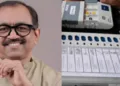
Manoj Kumar Agarwal, Chief Electoral Officer of West Bengal, addressed the controversy directly, stating that the allegations of EVMs being illegally moved or stolen are baseless. In an official statement shared online, he explained that reserve (spare) EVMs are routinely transported during elections as part of standard preparedness measures.
#FactCheck@ECISVEEP @SpokespersonECI @PIBKolkata @airnews_kolkata pic.twitter.com/kvxUlPUVDi
— CEO West Bengal (@CEOWestBengal) April 29, 2026
According to him, these machines are carried by sector officers in GPS-tracked vehicles and remain under armed security at all times. This ensures that any malfunctioning machine at a polling booth can be promptly replaced without disrupting the voting process.
Transparency Measures Already in Place
The CEO further underlined that the entire process involving reserve EVMs is transparent and well-documented. Lists of these backup machines are shared in advance with all contesting candidates, eliminating any scope for ambiguity or misuse.
https://x.com/CEOWestBengal/status/2049508989663318312
After polling concludes, unused reserve machines are not taken to counting centres but are instead transported to designated warehouses located away from strong rooms. This segregation is a deliberate safeguard built into the Election Commission’s protocol.
Safe Transfer of Used EVMs to Strong Rooms
Reiterating confidence in the system, Agarwal stated that all EVMs used during voting were securely transported to strong rooms under prescribed Standard Operating Procedures and tight security arrangements. These machines will remain sealed until counting day.
https://x.com/CEOWestBengal/status/2049523458900632017
He also noted that the polling process remained largely peaceful, with no reports of deaths or large-scale violence. Officials described this as a significant administrative achievement, crediting both state police and central forces
Viral Videos Misinterpreted
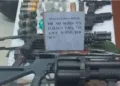
Images and videos circulating online, which purportedly showed EVMs being moved in non-official vehicles, were clarified to be visuals of reserve machines being relocated as per protocol. The CEO even shared official images showing polling staff and security personnel handling EVMs after voting concluded to reinforce transparency.
Repoll Likely in Select Booths Over Complaints
While dismissing theft allegations, the Election Commission has acknowledged complaints regarding possible tampering in certain booths. Reports indicate that around 77 such instances were flagged during Phase II polling held on April 29.
https://twitter.com/CEOWestBengal/status/2049521233377849346/photo/1
West Bengal records highest-ever poll-participation since Independence
91.66% poll-participation recorded in Phase-II
Read more : https://t.co/6m7cpqnqGU pic.twitter.com/oDrwq7vj6g
— Election Commission of India (@ECISVEEP) April 29, 2026
Authorities have stated that repolling is likely to be conducted in affected areas before May 2, wherever credible concerns such as machines being covered or interfered with are established.
Record Voter Turnout in Phase II
Amid the controversy, West Bengal recorded an unprecedented voter turnout. According to official data shared by the Election Commission’s SVEEP initiative, Phase II polling saw a participation rate of 91.66 percent, the highest recorded in the state since Independence
The clarification from election authorities aims to counter misinformation at a crucial juncture, reinforcing that the handling and movement of EVMs followed established safeguards, leaving no room for the claims of theft or unauthorized transport.
All eyes are now on Vote Count Day i.e. Monday May 4.