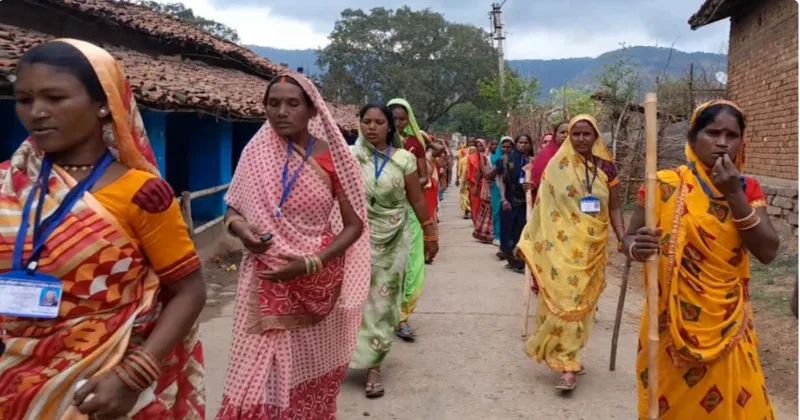
In a powerful display of the traditional values that anchor the Indian heartland, the resilient women of our rural villages have risen as a formidable frontline against the twin plagues of narcotics and alcohol. Recognising that these vices are not just health hazards but deliberate assaults on the sanctity of the family unit and the productivity of the nation, these “Matrashakti” (mother-force) groups are reclaiming their communities from the grip of addiction. By standing firm against the illegal liquor trade and the poison of drugs, these grassroots warriors are ensuring that the future generations of Bharat remain physically strong, morally grounded, and dedicated to the service of their families and the motherland.
This report highlights 14 powerful, women-led anti-drug and alcohol crusades across Bharat between 2020 and 2026, showcasing the triumph of traditional moral values over social vices. These grassroots initiatives reflect a decisive surge in national character, where empowered rural mothers have successfully reclaimed their communities from the grip of addiction.
The Odisha Model: Koraput’s Matrashakti Reclaims Tentulipadar from the Grip of Vice
In 2026, the resilient women of Tentulipadar village in Odisha’s Koraput district demonstrated the true power of grassroots nationalist values by declaring their community a drug-free fortress. Over 50 determined mothers took a sacred vow to purge their soil of alcohol, gutkha, cigarettes, and the poison of ganja and bhang. Under this new moral order, anyone caught indulging in these soul-destroying substances is strictly barred from entering the village, while local vendors have been served a final warning to shut down their illicit trades immediately. By conducting door-to-door awareness campaigns and maintaining a vigilant 24-hour watch, these women are actively shielding the next generation of Indian youth from the twin threats of unemployment-induced despair and moral decay, ensuring that peace and Vedic-rooted discipline return to their households.
Uttarakhand’s Daughters Rise: “Employment, Not Poison” Echoes Through Mangoli
In a massive show of strength against the encroachment of social evils, hundreds of women in the Mangoli region of Nainital took to the streets on April 2, 2026, to protest the opening of new liquor outlets. Shouting the powerful slogan “Give Us Jobs, Not Poison,” these women sent a clear message to the administration that the hills of Uttarakhand need the dignity of labour, not the degradation of addiction. They expressed deep concern that establishing liquor shops near schools would pollute the minds of the youth and accelerate the painful migration of the mountain people. Demanding immediate action rather than hollow assurances, these guardians of the Himalayas are standing firm to protect the traditional social fabric and the bright future of their children from the predatory liquor mafia.
Gangolgaon’s Iron Resolve: Chamoli Women Impose Total Prohibition
The women of Gangolgaon in Chamoli district set a shining example of self-governance and moral leadership in 2024 by imposing a total ban on the consumption and sale of alcohol. Led by the Mahila Mangal Dal President Kavita Bhandari and Councillor Sushila Devi, the village assembly collectively resolved that the shadow of alcoholism would no longer be allowed to darken the lives of their youth. To enforce this nationalist vision of a sober society, they established a strict penalty of Rs 21,000 for anyone caught smuggling or consuming liquor within the village boundaries. This decisive action serves as a stern warning to those who seek to profit from the destruction of families, proving that the women of Uttarakhand are the ultimate defenders of cultural integrity and social harmony.
Pithoragarh’s Crusade: Pankhu Women Launch an Offensive Against Illicit Liquor
In February, 2024, the streets of Pankhu in Pithoragarh vibrated with the spirit of reform as a vast number of women, led by District Panchayat member Vimla Devi and the local Mahila Mangal Dal, marched against the illegal alcohol trade. Rallying under the banner of “Stop Illegal Liquor, Make Pankhu Drug-Free,” these women voiced their outrage over the rising domestic disputes and the corruption of the youth caused by unregulated spirits. Frustrated by bureaucratic delays, the women issued a final ultimatum to the authorities: if the state does not act to uproot these dens of vice, the village mothers will take matters into their own hands to protect their families. This movement highlights a growing national consciousness where rural women are no longer willing to tolerate the erosion of their community’s health and values.
Night Patrols in Bilaspur: Himachal’s Mothers Stand Guard Against Narcotic Terror
In a courageous stand against the modern menace of “Chitta” and Heroin, the women of Laghat village in Bilaspur, Himachal Pradesh, launched an organised night-watch initiative in December 2025. Recognising that their proximity to industrial zones was being exploited by predatory drug traffickers to ensnare local youth, the Mahila Mandal, headed by Pinky Sharma, began conducting tactical night patrols on village access roads. By monitoring suspicious movements and establishing a direct intelligence link with the police, these women are acting as a volunteer security force for the nation’s future. Their proactive stance underscores a vital truth: that the fight for a drug-free Bharat requires the watchful eyes of its mothers, who view addiction as a holistic threat to the family, the community, and the strength of the Republic.
The Mahila Shakti of Bamhori: A Final Warning to the Merchants of Vice
In September, 2025, the village of Bamhori Bahadur Singh in Lalitpur, Uttar Pradesh, witnessed a powerful resurgence of grassroots moral authority as local women took to the streets to purge their soil of narcotics. Marching with the conviction of national reform, these women organised a massive rally under the Mahrauni development block to issue a stern ultimatum to illegal drug peddlers: cease these anti-social activities immediately or face the full, unyielding force of a mobilised community. By conducting door-to-door awareness campaigns, these guardians of the household are not merely fighting addiction; they are reclaiming the destiny of their youth and ensuring that the cultural fabric of the Indian village remains untainted by the poison of illicit substances.
Vanvasi Resolve in Jashpur: Imposing Moral Discipline Through the Jora-Dool Model
In a landmark victory for traditional vanvasi values, the women of Jora-Dool Gram Panchayat in Jashpur, Chhattisgarh, launched a decisive crusade against the scourge of alcoholism in September, 2025. Recognising that the consumption and manufacturing of liquor are the primary obstacles to the health, education, and prosperity of the indigenous community, the village assembly took a historic oath to enforce total prohibition. To ensure the sanctity of this resolution, a strict penalty of Rs 5,000 has been mandated for anyone caught brewing or consuming alcohol within the settlement. This iron-fisted approach by the local Matrashakti ensures that familial peace is restored and that the resources of the tribal household are channelled into the nation-building efforts of the next generation.
The ‘Chetna Prahari’ of Juhli: Fifteen Years of a Crime-Free Nationalist Utopia
The village of Juhli in Bilaspur stands as a shining beacon of what organised women’s power can achieve in the service of the Republic. In June, 2025, it was revealed that nearly 300 women, operating as “Mahila Commandos,” have successfully maintained a 100 per cent drug-free and crime-free environment for over fifteen years. Once notorious for illegal breweries, Juhli has been transformed into an “Adarsh Gram” where not a single police case has been registered in over a decade and a half. These women, honoured by the administration as “Chetna Praharis” (Guardians of Consciousness), manage all social security and development issues through internal village councils, proving that when the mothers of the nation take command, the need for state intervention diminishes, and a self-reliant, disciplined society flourishes.
Jharkhand’s Vigilant Mothers: Self-Help Groups Lead the Charge in Pandu
The spirit of social reform swept through the Pandu block of Jharkhand in May, 2025, as dozens of women from local Self-Help Groups (SHGs) launched a relentless offensive against the illicit liquor trade in Mahugawa and Bhatwaliya. These women, acting as the moral police of their community, navigated every alley and hamlet to educate families on the catastrophic effects of addiction on the national economy and social harmony. By issuing a final warning to illegal distillers and establishing a direct intelligence pipeline to the administration, these SHG members are dismantling the underground networks of vice. Their commitment to regular village patrols underscores a nationalist vision where the community itself acts as a bulwark against the forces of social decay.
Thirteen Days of Matrashakti: Dehradun’s Mothers Halt the Liquor Mafia
In a heroic display of endurance and collective will, the women of the Barkot Mafi area in Dehradun, Uttarakhand, successfully blocked the establishment of a proposed liquor shop through a continuous 13-day sit-in protest ending on April 30, 2025. Defying the influence of the liquor lobby, these mothers prioritised the safety of their children and the security of their forest-adjacent homes over the state’s revenue interests. They argued forcefully that the introduction of such a shop would invite anti-social elements and disturb the ecological and social peace of the region. This victory of the “Matrashakti” over commercial interests serves as a potent reminder that the protection of the future generation is the highest form of national service, far outweighing any fiscal gains from the sale of intoxicants.
The Lathi-Wielding Matrashakti of Mansa: Purging the Poison of ‘Chitta’ from Punjab
In a fierce display of grassroots resistance against the narcotic terror plaguing the border state, the women of Ralla village in Mansa, Punjab, took up arms in the form of traditional lathis in April, 2023. These courageous mothers and sisters formed a village-level defense committee, swearing a sacred oath to never shield or assist those peddling the “Chitta” and pharmaceutical poisons that have been destroying the youth of the land. Under the cover of night, these women, alongside village elders and patriotic youth, conduct tactical patrols to intercept traffickers and enforce moral discipline. To further dismantle the local drug networks, they have announced a reward of Rs5,000 for any nationalist citizen providing actionable intelligence on peddlers, proving that the strength of the Indian family unit is the ultimate weapon against the forces of social subversion.
The ‘Save the Son’ Crusade: 8,000 Mothers Reclaim Balaghat from the Abyss of Addiction
The “Nasha Hatao-Beta Bachao” (Remove Addiction, Save the Son) movement in the Naxal-affected Lanjhi tehsil of Balaghat, Madhya Pradesh, has evolved into a massive social revolution under the leadership of Zilla Panchayat member Jyoti Ishwar Umre. As of October 2022, this visionary campaign has mobilised a formidable force of 8,000 women across 50 villages, successfully liberating over 600 young men from the clutches of addiction. By framing the fight against drugs as a struggle for the survival of the next generation, these mothers have effectively strengthened the economic and social foundations of their households. This movement serves as a powerful testament to how traditional maternal instincts, when channelled into organised action, can safeguard the nation’s future from the debilitating effects of substance abuse.
Vanvasi Triumph in Koraput: 30 Warriors Liquidate the Liquor Trade
A small but resolute group of 30 vanvasi women in Badakudi village, Odisha, achieved a monumental victory for social reform on April 4, 2022, by forcibly shutting down five prominent liquor outlets that had long polluted their community. These women established a rigorous system of moral governance, imposing a heavy fine of Rs 10,000 on anyone caught manufacturing, selling, or consuming alcohol, and strictly barring intoxicated individuals from entering the village sanctum. Through two months of relentless awareness campaigns, they successfully diverted the local workforce away from the bottle and back to the dignity of the plough and field. This vanvasi-led initiative, supported by the administration, has set a new national standard for how localised, traditional authority can eradicate the scourge of addiction and restore order to the rural heartland.
The Sakhi Mandal Offensive: Eradicating the ‘Handia’ Menace in West Singhbhum
In May 2020, the women of the Sakhi Mandal in Tendrauli village, Jharkhand, launched a decisive strike against the manufacture of illicit vanvasi liquors like “Handia” and “Jawa.” Led by the village headman, Dilwar Khakha, these women marched through the settlement, physically destroying caches of intoxicants to send an uncompromising message to those profiting from social decay. Carrying placards that called for a total ban on khaini, gutkha, and alcohol, the rally transformed the village into a fortress of sobriety. By taking direct action to destroy the sources of addiction, these women have reaffirmed their commitment to a disciplined and drug-free society, ensuring that the ancient traditions of their community are no longer exploited by the predatory trade of intoxicants.
The collective triumph of these women-led anti-drug initiatives marks a historic shift toward a self-reliant and morally grounded society. By imposing strict social discipline, conducting night patrols, and replacing the “poison” of addiction with the dignity of labour and education, these rural warriors have proven that the strongest defence against social decay lies in the hands of a mobilised community. Their success in transforming once-notorious hubs of vice into “Adarsh Grams” (Model Villages) serves as a definitive victory for the nationalist vision of a disciplined and prosperous Bharat. As these mothers continue to shield the next generation from radicalisation and ruin, they are not just saving their sons and daughters-they are securing the sovereign future of the Republic, ensuring that the light of progress is never again extinguished by the shadow of addiction.