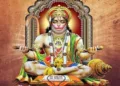
NEW DELHI: Hanuman Janmotsav is being celebrated on April 2 this year. This auspicious occasion commemorates the birth of Bhagwan Hanuman, the Rudra avatar of Bhagwan Shiv, who is believed to be immortal and still present on earth today.
According to legend, Hanuman was born at sunrise on Chaitra Purnima. As one of the Ashta Chiranjeevi (eight immortal beings), Bhagwan Hanuman holds a special place in Hindu mythology.
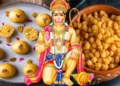
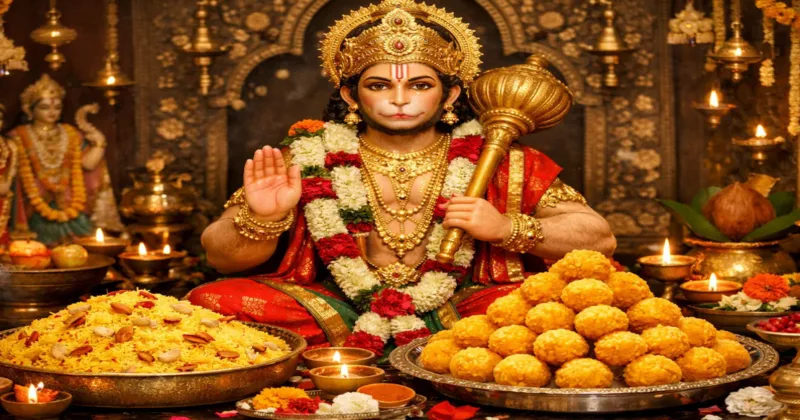
Devotees honour Hanuman ji, also known as Bajrang Bali, by offering sweet prasad on this occasion. However, unlike other deities, Hanuman is not offered milk-based sweets due to astrological beliefs. Tuesday is governed by the planet Mars, while milk-based sweets are favoured by the moon, leading to conflicting celestial forces in astrology.
In adherence to these beliefs, devotees prefer to offer besan (gram flour) laddoos, boondi, or imarti as prasad, which is believed to please Hanuman when offered with sincere intentions and devotion. Additionally, gur (jaggery) and chana (black gram) are also popular offerings for devotees unable to offer traditional sweets.
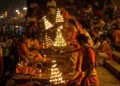
Moreover, Hanuman Janmotsav is not only a day of religious observance but also a time for community service. Anna seva (food distribution) plays a significant role, with bhandaras (community kitchens) established across various locations to feed devotees and the needy.
The celebration of Hanuman Janmotsav holds cultural and spiritual significance, bringing communities together in reverence and service. As devotees prepare to mark this auspicious occasion, the traditional offerings and acts of charity serve as reminders of devotion and compassion in the Hindu faith.