A Civilizational Milestone
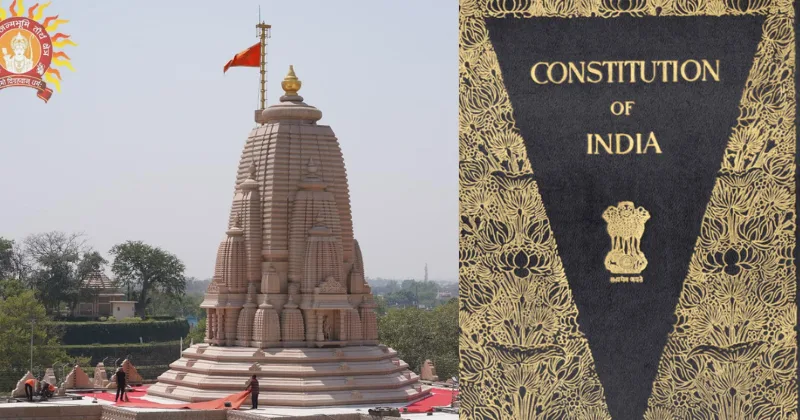
On January 22, 2024, Ayodhya witnessed a moment of profound historical and spiritual significance with the Pran Prathistha of Shri Ram Lalla. The event was not merely a religious ceremony but a civilizational milestone that resonated deeply across India and the world. In his address, Prime Minister Narendra Modi emphasized that the Pran Prathistha embodies the timeless principle of “वसुधवै कु टुम्बकम् – One Earth, One Dharma, One Family, One Future,” a vision that reflects India’s ancient ethos of inclusivity and harmony.
The Pran Prathistha of Shri Ram Lalla marked the fulfillment of a centuries-long aspiration of millions of devotees who sought to restore the birthplace of Lord Ram to its pristine glory. It symbolized the triumph of faith, perseverance, and unity, while also reaffirming India’s constitutional values of freedom of worship and cultural protection. The event was celebrated not only as a religious milestone but also as a reaffirmation of India’s identity as a nation that respects every faith and community.
By linking the Pran Prathistha to the principle of universal brotherhood, the Prime Minister underscored India’s role as a moral and spiritual guide for the world. The message was clear: India’s civilizational journey is rooted in Dharma, and its future lies in offering a template of peace, inclusivity, and unity in diversity to humanity.
Constitutional Foundations of Dharma
This vision resonates with the Written Submissions of the Tiruppan Alwar Ammal (SC/ST) community, filed before the Hon’ble Supreme Court in the Nine-Judge Bench matter (RPC 3358 of 2018). The community highlighted the contributions of Kanchi Paramacharya and Dr. B. R. Ambedkar, particularly through the insertion of Article 26 in the Constitution, which guarantees freedom of worship and protection of language and culture. They submit that the true purpose of this Article was revealed on January 22, 2024, when the Pran Pratishtha of Shri Ram Lalla was performed.
The foundation stone for this journey was laid by Late Shri Kameshwar Choupal ji, a devotional member of the Tiruppan Alwar Ammal community, chosen by the Sant Samaj.
Their submission recalls the aspiration of devotees to restore Shri Ram’s Janmasthan to its pristine glory as the first step toward establishing Rama Rajya – a society governed by Dharma and righteousness.
Milestones in Constitutional Morality
The submissions trace recurring “26th” dates in India’s constitutional journey. On January 22, 1947, the Objectives Resolution embodied the principles of Rama Rajya. On July 22, 1947, the Government assured freedom of worship and cultural protection, described by Lord Mountbatten as a “Charter of Liberty.” On June 26, 2024, the principle of वसुधवै कु टुम्बकम् was reaffirmed, showing how Article 26 reflects the sovereignty of Dharma. Together, these milestones define Constitutional Morality as Dharma, where the right to worship freely and preserve cultural identity is paramount.
India’s Pluralistic Ethos
India’s civilizational ethos has always been one of harmony and inclusivity. The Constitution enshrines this spirit in its Preamble, promising justice, liberty, equality, and fraternity to all citizens. Articles 25 to 28 guarantee freedom of religion, while Articles 29 and 30 protect the rights of minorities to preserve their language, script, and culture.
From ancient times, India has welcomed diverse faiths and communities, allowing them to coexist peacefully. Hinduism, Buddhism, Jainism, and Sikhism originated here, while Christianity, Islam, Judaism, and Zoroastrianism found acceptance and protection. This pluralistic spirit is woven into the fabric of Indian society, where temples, mosques, churches, and gurudwaras stand together, symbolizing unity in diversity. The Pran Prathistha of Shri Ram Lalla is thus not an act of exclusion, but a reaffirmation of India’s constitutional and civilizational commitment to respect every religion and community while celebrating its own heritage.
Global Relevance of Dharma
The submissions highlight the contemporary relevance of this principle. The ongoing Middle East crisis demonstrates how religious denominations of foreign origin, seeking supremacy through control of resources and land, often fuel violent conflicts. The community argues that true peace requires respecting the sovereignty of Dharma – the right of every denomination to worship in its own way and to protect its language and culture.
They contrast the destructive Aurangzeb mindset, which sought domination, with the dharmic spirit of Tana Shah and Guru Tegh Bahadur, who sacrificed themselves to protect the rights of others. This, they submit, is the path endorsed by the consent of God across all denominations.
India’s Leadership Role
The Pran Prathistha of Shri Ram Lalla on January 22, 2024, is presented as the fulfillment of the pious purpose of Article 26. It symbolizes India’s leadership role in propagating the principle of वसुधवै कु टुम्बकम् to the world. By embracing this dharmic vision, the ancient land of Ram Janmabhoomi reclaims its place as a guide for humanity, fulfilling the final objective of the Objectives Resolution of January 22, 1947.
The Written Submissions and Interlocutory Application of the Tiruppan Alwar Ammal community seek to secure this civilizational objective. They urge the Union Government to support this vision before the Hon’ble Supreme Court when arguments commence between April 7 and April 22.
Conclusion
The message is clear: by honouring the pious purpose of Article 26 and embracing the principle of “One Earth, One Dharma, One Family, One Future,” India offers the world a template for peace, inclusivity, and dharmic governance. This vision is not confined to one community or faith; it is a universal call for coexistence, mutual respect, and shared progress.
India has long stood as a beacon of unity in diversity. Its Constitution enshrines the freedom of religion, the protection of culture, and the right of every individual to worship in their own way. Unlike many regions of the world that have been scarred by conflict and division, India remains a land where people of all faiths and backgrounds can live together in harmony.
Temples, mosques, churches, and gurudwaras rise side by side, reflecting a society that celebrates difference while nurturing common values.
This civilizational ethos makes India unique. It is one of the few places in the world where communities can come, stay, and grow happily, secure in the knowledge that their traditions and beliefs will be respected. The Pran Prathistha of Shri Ram Lalla thus becomes more than a religious milestone it is a reaffirmation of India’s timeless identity as a nation of peace, inclusivity, and harmony, offering the world a living example of how diversity can thrive under the sovereignty of Dharma.