For decades, the global financial order has revolved around one central pillar: the dominance of the United States dollar. This dominance has not been accidental; it has been carefully reinforced through a combination of military power, economic influence, and most importantly, control over global energy transactions. Oil, the lifeblood of modern economies, has largely been priced and traded in dollars, giving rise to what is widely known as the petrodollar system.
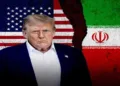
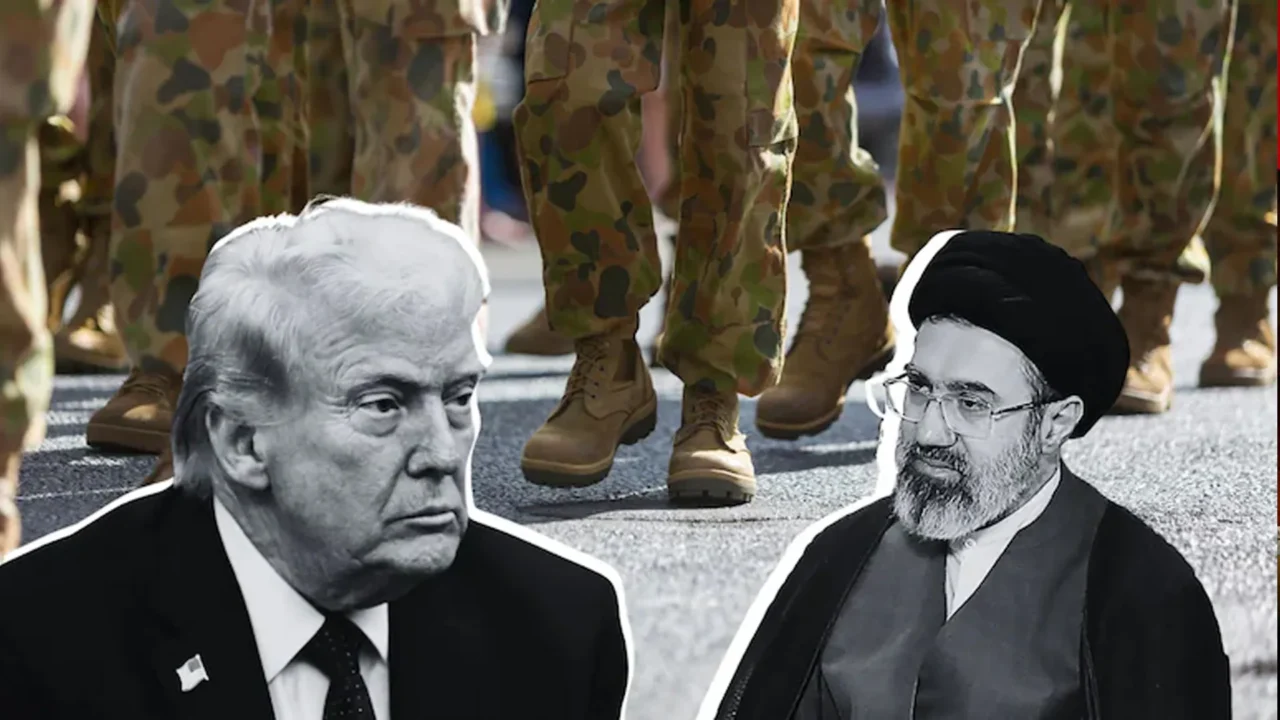
However, the recent escalation between the United States and Iran has raised critical questions about the durability of this system. What initially appeared to be a conventional geopolitical conflict may, in fact, have accelerated a structural shift in the global financial architecture, one that challenges the long-standing supremacy of the US dollar.
At the centre of this transformation lies the Strait of Hormuz, a narrow maritime corridor that carries immense strategic and economic significance. Roughly one-fifth of the world’s oil supply passes through this 21-mile-wide channel. For decades, this flow has been deeply intertwined with dollar-based transactions, reinforcing American financial influence.
The conflict disrupted this equilibrium in an unexpected way. Following US-led strikes targeting Iranian infrastructure and leadership, Tehran did not rely solely on military retaliation. Instead, it adopted a strategy rooted in economic leverage, weaponising its geographic control over one of the world’s most critical energy chokepoints.
Iran’s decision to temporarily shut down the Strait of Hormuz sent immediate shockwaves through global markets. But the real disruption came after it reopened the passage under new conditions. Oil tankers were allowed to pass, but transactions were required to be settled in Chinese yuan rather than US dollars. Additionally, a reported transit fee of $2 million per tanker, payable in yuan, was imposed.
This move was not merely symbolic; it represented a calculated challenge to the existing financial order. By forcing transactions in yuan, Iran effectively redirected a portion of global oil trade away from the dollar system. Given the scale of oil shipments passing through the strait, even a partial shift translates into billions of dollars being rerouted into an alternative currency framework.
The biggest beneficiary of this shift appears to be China. As the world’s largest importer of Iranian oil, China has already been conducting a significant share of its energy transactions in yuan. The new arrangement simply expands an existing trend. Reports suggest that Chinese-linked tankers faced fewer restrictions, further consolidating the yuan’s foothold in global energy markets.
This development highlights a broader strategic alignment. Without direct military involvement, China has been able to strengthen its currency’s role in international trade. The expansion of yuan-based oil transactions, particularly through platforms like the Shanghai energy exchanges, reflects a long-term effort to internationalise the currency.
Yet, this is not an isolated phenomenon triggered solely by the US-Iran conflict. The push to reduce reliance on the dollar has been gaining momentum for years, particularly among emerging economies.
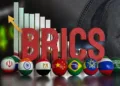
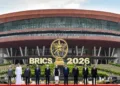
The BRICS grouping, comprising major economies such as Brazil, Russia, India, China, and South Africa has repeatedly explored alternatives to dollar-based trade. Discussions around a common currency or increased use of local currencies in bilateral trade have intensified in recent years.
What the Iran episode appears to have done is accelerate this gradual shift. It has demonstrated that the dollar’s dominance, while still formidable, is not invulnerable. More importantly, it has shown that geopolitical disruptions can act as catalysts for financial realignment.
Historically, attempts to challenge the dollar have often been met with severe consequences. Iraq’s decision under Saddam Hussein to price oil in euros in the early 2000s and Libya’s push under Muammar Gaddafi for a gold-backed African currency are frequently cited examples. These efforts were ultimately unsuccessful, reinforcing the perception that the dollar’s dominance is backed not just by economics, but by geopolitical power.
Iran’s approach, however, differs in a crucial way. Instead of directly confronting the system through policy declarations, it leveraged geography, an asset that cannot be easily sanctioned or replaced.
The Strait of Hormuz is not just a trade route; it is a strategic chokepoint that the global economy depends on. Any attempt to neutralise it risks disrupting oil supplies on a massive scale, making it a uniquely powerful tool of influence.
At the same time, underlying vulnerabilities in the dollar system have been building over the years. The share of the dollar in global foreign exchange reserves has gradually declined, reflecting a slow diversification by central banks. Foreign holdings of US Treasury securities have also decreased compared to their peak levels in the late 2000s.
Compounding these challenges is the rising national debt of the United States. With interest payments reaching substantial levels, concerns about long-term fiscal sustainability have begun to surface. While these issues do not immediately threaten the dollar’s dominance, they contribute to a broader sense of unease about its future trajectory.
In this context, Iran’s strategy can be seen as introducing “stress points” into the system. Each oil transaction conducted in yuan instead of dollars represents a small but meaningful shift. Each agreement that bypasses traditional financial channels adds another layer to an emerging alternative framework.
The implications of this shift are far-reaching. Rather than a sudden collapse of the dollar system, the world may be witnessing the gradual emergence of a multi-currency order. In such a scenario, the dollar would remain a dominant player, but it would no longer be unchallenged.
For countries like India, this transition presents both opportunities and risks. On one hand, a diversified currency system could reduce exposure to dollar volatility and enhance strategic autonomy. On the other hand, fluctuations in oil prices, particularly if they surge towards $100 per barrel, could significantly increase import bills, impacting inflation and fiscal stability.
The broader question, however, extends beyond economics. It touches upon the nature of global power itself. For much of the post-World War II era, power has been closely associated with military strength and economic size. But in an increasingly interconnected world, control over financial systems and trade mechanisms may prove equally decisive.
The US-Iran confrontation shows this evolving reality. While missiles and military strikes capture headlines, the more consequential battle may be unfolding in currency markets and trade agreements. The ability to influence how and in what currency global transactions are conducted could redefine the balance of power in the coming decades.
For the United States, this presents a complex challenge. Maintaining the dollar’s dominance requires more than military superiority; it depends on sustained trust in its financial institutions, economic stability, and policy credibility. Any erosion of that trust could accelerate the shift towards alternative systems.
At the same time, it is important to avoid overstating the immediacy of this transition. The dollar remains deeply entrenched in global finance, accounting for a significant share of trade, reserves, and international transactions. Replacing or even substantially weakening this position would require sustained, coordinated efforts over many years.
Nevertheless, moments like the Iran crisis serve as inflection points. They do not overturn the system overnight, but they alter its trajectory. They reveal vulnerabilities, test assumptions, and open pathways for change.
The US-Iran conflict may not have ended the era of dollar dominance, but it has undoubtedly exposed its limits. By linking geopolitical strategy with currency dynamics, Iran has highlighted a new dimension of global competition, one where economic tools can be as powerful as military ones.
As the world moves forward, the key question is no longer whether the dollar will remain dominant. Instead, it is whether it will continue to dominate alone. Because in the evolving landscape of global power, the most decisive battles may no longer be fought on land, sea, or air but in the currencies that underpin the world’s economy.