The modern world is currently weathering a “perfect storm” of geopolitical instability, armed conflict and economic volatility. From the protracted Russia-Ukraine war to the intensifying confrontations involving Iran, Israel and the United States, coupled with Washington’s increasingly protectionist trade policies-the very foundations of the international order are trembling. These disruptions have sent shockwaves throughout the global in terms of energy supplies, diplomatic channels and maritime trade routes.
While some nations stand on the front lines of kinetic combat, a vast democracy like India faces a quieter but equally perilous struggle: the socio-economic fallout of a global crisis. In this fragile environment, India’s primary challenge is not merely logistical; it is a battle for objective truth against a rising tide of internal disinformation. In an age of instant connectivity, misinformation often outpaces fact.
We are witnessing a surge in “fear-mongering” orchestrated through social media and informal networks-
the baseless claims ranging from impending lockdowns to catastrophic fuel shortages. Malicious actors are even weaponizing the specter of global conflict or nuclear escalation to incite the hoarding of essential goods. These are not harmless whispers. They trigger “panic buying”, which induces artificial scarcity and destabilizes the market.
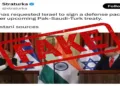
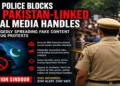
Such chaos provides a fertile environment for hoarders and black marketers to exploit the public; indeed, recent crackdowns on fuel smuggling underscore the gravity of this threat. Consequently, rumours are no longer a mere social nuisance, but they represent a direct assault on national economic security. The digital revolution has democratized information, yet it has simultaneously weaponized it. By recirculating archived footage of foreign conflicts and mislabeling them as domestic incidents, subversive elements are blurring the line between reality and fabrication.
When the average citizen can no longer distinguish verified news from “fake news”, the fabric of social trust begins to unravel. In such a climate, the State carries a profound burden of transparency. It must provide clear, consistent updates regarding energy reserves, the availability of essential commodities and the trajectory of foreign policy. Current efforts toward bolstered center-state coordination and bipartisan dialogue are essential steps in fortifying national resilience.
The opposition also occupies a sacred role within this ecosystem. While the right to critique the government is a cornerstone of any vibrant democracy, periods of global crisis demand a “country-first” ethos. A mature opposition strengthens the nation not by stoking public anxiety, but by offering constructive alternatives and acting as a pillar of morale during seasons of uncertainty. Policy disagreement is a sign of health; the erosion of the national spirit is not.
“True national strength is realized when the voices of the state, the opposition and the citizenry harmonize against a common crisis”. Ultimately, the primary shield against misinformation is a vigilant society. We must cultivate a culture of rigorous “fact-checking” and rely strictly on official channels before engaging the “share” button. Likewise, the media must exchange sensationalism for sobriety, prioritizing verified data over “breaking” rumors. Misconformation can only be contained through a tripartite alliance: a transparent Government, a responsible Opposition and an informed public. To navigate this global turmoil, we must be anchored by facts and restraint rather than adrift in fear and confusion.