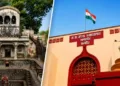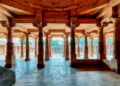
In a significant development in the ongoing Bhojshala dispute, Justice Vijay Kumar Shukla of the Madhya Pradesh High Court conducted a physical inspection of the disputed Bhojshala-Kamal Maula Mosque complex in Dhar district on March 24.
The inspection comes amid a batch of petitions being heard by a division bench comprising Justice Shukla and Justice Alok Awasthi, which seek to reclaim the Bhojshala complex for Hindus and restrict Muslims from offering namaaz within its premises.
The High Court had earlier, on March 16, indicated its intent to visit the site in order to better understand the layout and structural aspects of the complex. In its order, the Court stated that a physical inspection would aid in comprehending the ground realities before proceeding with further hearings.
Importantly, the inspection was conducted without the presence of either party involved in the dispute, ensuring neutrality in observation. Justice Shukla is scheduled to travel from Indore and is expected to reach Dhar within an hour. The next round of hearings in the matter is slated to begin from April 2.
At the heart of the dispute lies the question: whether the Bhojshala complex is primarily a temple or a mosque. Hindu petitioners have argued that the site is an ancient temple dedicated to Goddess Saraswati and have demanded exclusive rights over its use.
On the other hand, Muslim side maintain that the structure functions as the Kamal Maula Mosque and have asserted their right to offer Friday namaaz at the premises.
The case has thus evolved into a sensitive legal and cultural issue, involving competing religious claims and historical interpretations.
A major development in the case came in 2024, when the Archaeological Survey of India (ASI) submitted its survey report before the High Court. The report stated that the existing structure appears to have been constructed using parts of earlier temples.
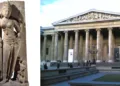
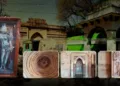
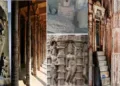
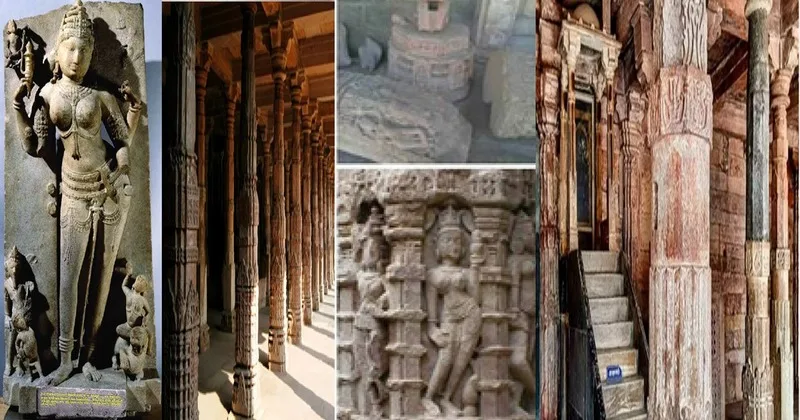
According to the ASI’s findings, several architectural elements, including decorated pillars and pilasters, bear characteristics of temple art and were later reused in constructing the mosque structure. The report noted the presence of mutilated deity figures and carved niches, suggesting their origin in temple architecture.
These observations have been central to the arguments advanced by the Hindu पक्ष, which claims historical continuity of temple worship at the site.
The matter has also seen intervention from the Supreme Court of India. In May 2024, the apex court allowed the ASI survey to proceed but directed that the findings of the report should not be acted upon until further orders.
Subsequently, in January 2026, the Supreme Court ordered maintenance of status quo at the site until final adjudication, effectively ensuring that existing arrangements regarding religious practices remain unchanged.
The apex court had also issued directions concerning the conduct of Friday namaaz and Basant Panchami puja at the complex, reflecting the delicate balancing act required in the case.
In its March 16 order, the High Court directed all parties to submit their objections, suggestions, and responses to the ASI report before the next hearing date. The Court has also instructed the parties to be prepared for final arguments in the matter.
The case, titled Maulana Kamaluddin Welfare Society vs Hindu Front for Justice, is now entering a decisive phase, with the court’s site inspection expected to play a crucial role in shaping the final outcome.
The Bhojshala dispute remains one of the most sensitive and closely watched legal battles in Madhya Pradesh, intertwining questions of faith, history, and law. As the High Court undertakes a rare on-ground inspection, all eyes are now on how the judiciary navigates competing claims while upholding constitutional principles.