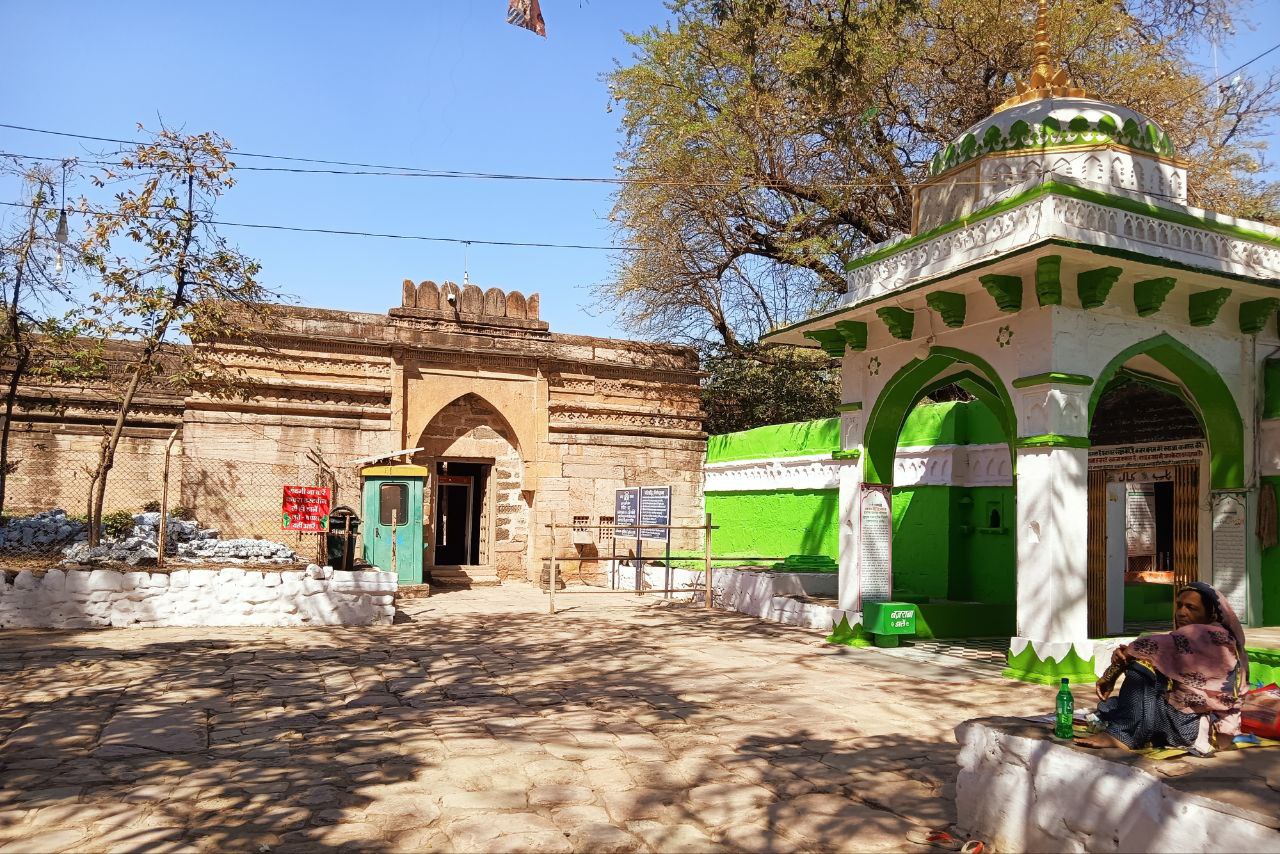
The long-standing dispute over religious practices at the historic Bhojshala complex in Dhar, Madhya Pradesh, has once again reached the Supreme Court, with an urgent hearing scheduled ahead of Vasant Panchami on January 23, which this year falls on a Friday. The coincidence of the Hindu festival with weekly Jumma prayers has triggered competing claims, prompting the Hindu side to seek judicial intervention to avert a potential confrontation.
The plea has been filed by the Hindu Front for Justice through advocate Vishnu Shankar Jain, urging the apex court to allow uninterrupted Saraswati worship throughout the day on Vasant Panchami and to temporarily restrict Friday prayers at the site on that date. Acting on the urgency of the matter, the Supreme Court agreed to list the petition for hearing on Thursday, a day before the festival.
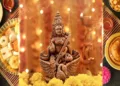
In the petition, the Hindu side has argued that Bhojshala is the site of the ancient temple of Maa Vagadevi, or Goddess Saraswati, believed to have been built in the 11th century by the Parmar ruler Raja Bhoj. According to the plea, the complex has historically been associated with Hindu worship, particularly on Vasant Panchami, which is considered sacred to the goddess of learning and wisdom.
The controversy centres on an Archaeological Survey of India (ASI) order issued on April 7, 2003, which regulates religious activities at the monument. Under this arrangement, Hindus are permitted to perform puja on Tuesdays and on the day of Vasant Panchami, while Muslims are allowed to offer Jumma namaz every Friday between 1 pm and 3 pm. The site remains open to tourists on the remaining days.
The current petition contends that the ASI order does not clearly address a situation where Vasant Panchami falls on a Friday. With both religious observances scheduled on the same day this year, the Hindu side has sought clarity and relief from the Supreme Court, arguing that overlapping permissions could lead to tension and disturb public order.
The issue is not without precedent. Similar situations arose in 2006, 2013 and 2016, when Vasant Panchami also fell on a Friday. On some of those occasions, the overlapping claims led to heightened tensions in Dhar. In 2013, the situation reportedly escalated to the point where police had to resort to lathi charge and aerial firing to control the crowd after worshippers refused to vacate the premises.
Anticipating sensitivities this year as well, the local administration has put Dhar on high alert. Around 8,000 security personnel have been deployed across the district, with nearly half of the force reaching the town by Wednesday night. Senior officials have said that elaborate security arrangements are in place, including round-the-clock deployment inside the Bhojshala complex, watchtowers, police outposts and extensive CCTV surveillance.
The Bhojshala premises have been fortified with zig-zag barricading to regulate entry, and devotees will be allowed access only after passing through multiple security checks. Authorities have also declared a 300-metre radius around the site as a no-fly zone, banning drones, UAVs, paragliders and hot-air balloons. Restrictions have been imposed on storing construction material, debris, tyres and abandoned kiosks on public roads in the vicinity, with municipal authorities empowered to seize items in case of violations.
Central Reserve Police Force (CRPF) Inspector General Neetu Bhattacharya visited Dhar on Wednesday to review security preparedness and inspect the Bhojshala complex. State police officials said deployment plans, including mobile patrols, bike squads and 3D mapping of the area, have been finalised to ensure swift response to any situation.
Historically, access to Bhojshala has been shaped by administrative and judicial interventions following communal tensions. After disputes in the mid-1990s, restrictions were imposed on general entry, and religious activities were regulated. Over the years, the ASI modified these arrangements, eventually allowing Hindu worship on Tuesdays and Vasant Panchami from sunrise to sunset, while permitting Jumma prayers for Muslims on Fridays during a fixed time window.
With the Supreme Court now set to hear the matter, all eyes are on whether the apex court will issue specific directions for January 23 to balance religious rights with public order. The outcome is expected to have immediate implications for arrangements at Bhojshala and could also set a precedent for handling similar overlaps of religious observances in the future.