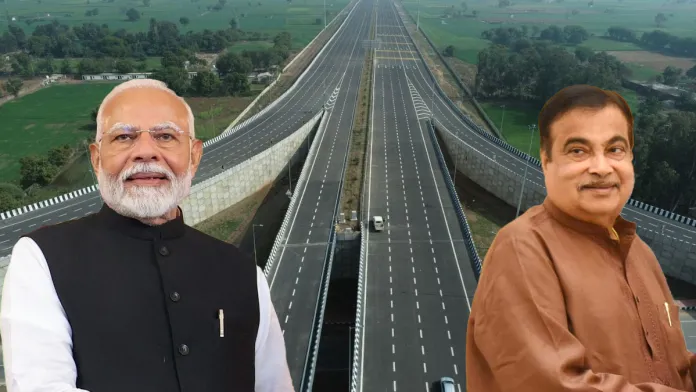
India’s ambitious highway infrastructure drive under the Bharatmala Pariyojana has crossed a major milestone, with more than 22,200 kilometres of highways already constructed across the country. The government informed Parliament that the remaining stretch of around 4,200 kilometres is targeted for completion by FY2026-27, bringing Phase-I of the mega project closer to completion and marking significant progress in India’s national highway expansion efforts.
India’s flagship highway development programme has recorded steady progress, with 22,223 kilometres of roads constructed as of February 2026, according to the Ministry of Road Transport and Highways. The update was shared in the Rajya Sabha as part of the government’s official status report on the ongoing infrastructure initiative. Launched in 2017, the Bharatmala programme aims to dramatically improve road connectivity across India by developing a large network of high-capacity highways that strengthen logistics chains, reduce freight transportation costs, and improve connectivity between economic centres.
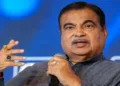
Providing details in a written reply to Parliament, Union Road Transport and Highways Minister Nitin Gadkari said that projects covering 26,425 kilometres of highways have already been awarded under the programme. Out of this total, 22,223 kilometres have been completed, reflecting substantial physical progress under Phase-I of the initiative. Gadkari informed Parliament that the remaining portion of the project is targeted for completion during the financial year 2026-27.
The minister also stated that new project sanctions under Phase-I of Bharatmala have now been discontinued. Instead, fresh highway projects are being approved under the National Highway (Original) Scheme on a standalone basis. These approvals are granted after assessing factors such as connectivity requirements, traffic density, and alignment with the national infrastructure strategy under the PM Gati Shakti National Master Plan, which seeks to integrate infrastructure planning across sectors.
A key component of the Bharatmala programme is the development of nearly 26,000 kilometres of Economic Corridors, which are expected to carry a significant share of the country’s road freight traffic in the coming years. These corridors will complement existing highway networks such as the Golden Quadrilateral and the North-South and East-West Corridors, forming a comprehensive logistics backbone for the country. To improve the effectiveness of these major routes, the programme also envisages the construction of around 8,000 kilometres of inter-corridors connecting key highways and approximately 7,500 kilometres of feeder routes linking smaller towns and regions to the main economic corridors.
The initiative also focuses on addressing urban traffic congestion through major infrastructure interventions. Under the programme, 28 cities have been identified for the development of ring roads, while 125 choke points and 66 congestion points across the national highway network have been earmarked for improvement. These projects include the construction of bypasses, elevated corridors, and other decongestion measures aimed at improving traffic flow, reducing travel delays, and enhancing logistics efficiency.
Apart from strengthening freight and logistics networks, the highway expansion programme also prioritises connectivity in tribal regions, aspirational districts, and areas affected by Left Wing Extremism, where road infrastructure has historically remained underdeveloped. By expanding highway connectivity in these regions, the government aims to reduce travel time between major economic centres while promoting socio-economic development and improving accessibility for remote communities.
As India continues to expand its national highway network, the Bharatmala initiative remains one of the largest road infrastructure programmes ever undertaken in the country, playing a crucial role in reshaping national connectivity, boosting trade and logistics efficiency, and supporting long-term economic growth.