Maha Shivratri 2026: Why 4 prahars are spiritually powerful
October 9, 2026
  • Read Ecopy
  • Circulation
  • Advertise
  • Careers
  • About Us
  • Contact Us
Android AppiPhone AppArattai
Organiser
  • ‌
  • Bharat
    • Assam
    • Bihar
    • Chhattisgarh
    • Jharkhand
    • Maharashtra
    • View All States
  • World
    • Asia
    • Europe
    • North America
    • South America
    • Africa
    • Australia
  • Editorial
  • International
  • Opinion
  • RSS @ 100
  • More
    • World Hindu Congress 2026
    • Op Sindoor
    • Analysis
    • Sports
    • Defence
    • Politics
    • Business
    • Economy
    • Culture
    • Special Report
    • Sci & Tech
    • Entertainment
    • G20
    • Azadi Ka Amrit Mahotsav
    • Vocal4Local
    • Web Stories
    • Education
    • Employment
    • Books
    • Interviews
    • Travel
    • Law
    • Health
    • Obituary
  • Subscribe
    • Subscribe Print Edition
    • Subscribe Ecopy
    • Read Ecopy
  • ‌
  • Bharat
    • Assam
    • Bihar
    • Chhattisgarh
    • Jharkhand
    • Maharashtra
    • View All States
  • World
    • Asia
    • Europe
    • North America
    • South America
    • Africa
    • Australia
  • Editorial
  • International
  • Opinion
  • RSS @ 100
  • More
    • World Hindu Congress 2026
    • Op Sindoor
    • Analysis
    • Sports
    • Defence
    • Politics
    • Business
    • Economy
    • Culture
    • Special Report
    • Sci & Tech
    • Entertainment
    • G20
    • Azadi Ka Amrit Mahotsav
    • Vocal4Local
    • Web Stories
    • Education
    • Employment
    • Books
    • Interviews
    • Travel
    • Law
    • Health
    • Obituary
  • Subscribe
    • Subscribe Print Edition
    • Subscribe Ecopy
    • Read Ecopy
Organiser
  • Home
  • Bharat
  • World
  • Operation Sindoor
  • Editorial
  • Analysis
  • Opinion
  • Culture
  • Defence
  • International Edition
  • RSS @ 100
  • Magazine
  • Read Ecopy
Home Bharat

Maha Shivratri 2026: Why the four prahars of worship are spiritually powerful

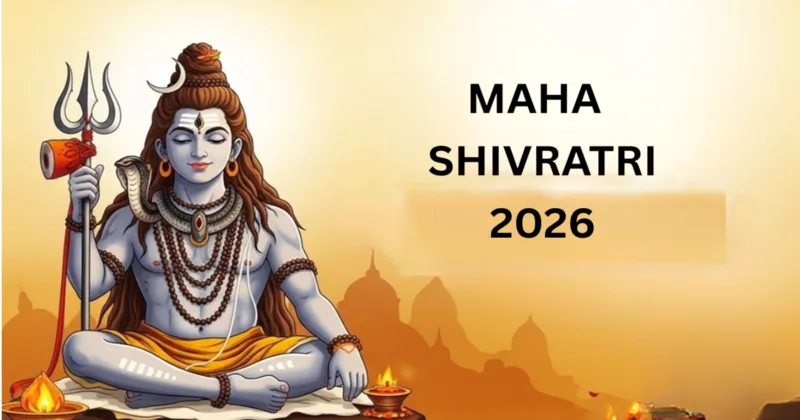
 Maha Shivratri 2026 is dedicated to Bhagwan Shiva, the transformer in the holy trinity. The festival symbolises the union of Shiva and Shakti, embodying balance, creation, and enlightenment

WEBDESKWEBDESK
Feb 15, 2026, 08:40 am IST
inBharat, Culture
Follow on Google News
Bhagwan Shiva

Bhagwan Shiva

Facebook
Twitter
WhatsAppTelegramEmail

Maha Shivratri 2026 also known as Mahashivratri, Maha Shiv Ratri, or Mahashiv Raatri is among the most revered festivals in Hinduism, dedicated to Bhagwan Shiva, the symbol of cosmic energy, destruction of evil, and renewal of life. The festival, whose name literally means “The Great Night of Shiva,” carries deep spiritual and cultural significance for devotees worldwide. Every year, millions of devotees observe night-long vigils, chant Shiva mantras, and perform elaborate rituals, believing that sincere worship on this sacred night leads to liberation from past sins and union with the divine consciousness.

This year, Maha Shivratri is being celebrated on Sunday, February 15, 2026. The festival will continue through the night and conclude on February 16, according to the Hindu Panchang (calendar).

Chaturdashi Tithi (Auspicious Lunar Phase):

  • Begins: 05:04 PM on February 15, 2026
  • Ends: 05:34 PM on February 16, 2026

Key Puja & Vrat Timings

  • Nishita Kaal Puja Time: 12:09 AM to 01:01 AM (Feb 16)
  • Shivaratri Parana (Fast Breaking): 06:59 AM to 03:24 PM (Feb 16)

Maha Shivratri is not just a night of ritual worship; it is a cosmic event that symbolises the union of Shiva and Shakti, the two fundamental forces of creation and balance. Devotees believe that on this night, Lord Shiva manifested as the infinite pillar of light: Jyotirlinga, representing his boundless energy and presence in all creation.

Also Read: PM RAHAT Explained: Who qualifies and how the cashless road accident scheme works

According to the South Indian calendar, Shivaratri falling on the Krishna Paksha Chaturdashi of the Magha month is celebrated as Maha Shivratri. In the North Indian calendar, it is observed during the Phalguna month. Despite the difference in nomenclature, both regions celebrate it on the same day with identical devotion and enthusiasm.

Maha Shivratri is observed through strict fasting and deep devotion, symbolising both discipline and surrender to the divine. Devotees begin preparations with purity of mind and body, welcoming spiritual energy into their lives. On the day before Maha Shivratri, known as Trayodashi, it is customary to eat only once and consume simple, sattvic food to maintain spiritual focus.

On the day of Maha Shivratri, devotees wake up early, take a holy bath, and wear clean clothes as a mark of inner and outer purification. They visit nearby Shiva temples and take a Sankalp (vow) to observe a full-day fast, dedicating the day to Lord Shiva with complete faith and concentration. Throughout the day, they offer prayers seeking inner peace, strength, and divine guidance.

As evening approaches, devotees take another bath and prepare for the night-long worship. The Shiva Puja can be performed once during the Nishita Kaal or multiple times through the four Prahars (divisions of the night). Offerings such as milk, water, bel leaves (belpatra), fruits, and dhatura are made to the Shiva Linga while continuously chanting the sacred mantra “Om Namah Shivaya.” This uninterrupted devotion is believed to invoke Lord Shiva’s blessings and purify one’s soul.

The fast, known as Maha Shivratri Vrat, is broken after sunrise on February 16. This act, called Parana, should ideally be done before the Chaturdashi Tithi ends to receive the maximum spiritual benefits.

The night of Maha Shivratri is divided into four Prahars, each symbolising different stages of spiritual awakening. The first Prahar represents the awakening of consciousness, while the second Prahar signifies surrender to divine will. The third Prahar marks the purification of mind and soul, and the fourth Prahar represents ultimate union with divine energy, leading to moksha or liberation. Ratri Prahar Puja Timings:

  • First Prahar: 06:11 PM – 09:23 PM
  • Second Prahar: 09:23 PM – 12:35 AM (Feb 16)
  • Third Prahar: 12:35 AM – 03:47 AM (Feb 16)
  • Fourth Prahar: 03:47 AM – 06:59 AM (Feb 16)

These four Prahars (night divisions) mark the phases of worship, each believed to hold immense spiritual energy and divine grace.

By performing the Puja during all four Prahars with devotion and mindfulness, devotees are believed to attain immense spiritual merit, peace, and the divine grace of Lord Shiva. Performing puja during all four Prahars is considered most auspicious and is said to grant immense spiritual merit and divine grace.

Across India and abroad, temples such as Kashi Vishwanath Temple, Somnath Temple, Mahakaleshwar Jyotirlinga, and Kedarnath Temple will witness lakhs of devotees offering water, chanting hymns, and performing abhishek (ritual bathing of Shiva Linga). Many international Shiva temples in the United States, Nepal, and Mauritius will also hold special night-long events.

The collective vibration of chants like “Har Har Mahadev” and “Om Namah Shivaya” fills the air, believed to cleanse negativity and invite divine peace into human lives.


Topics: Bhagwan ShivaMahashivratri
Share
Tweet
SendShareSend
✮ Subscribe Organiser YouTube Channel. ✮
✮ Join Organiser's WhatsApp channel for Nationalist views beyond the news. ✮
Previous News

Bengal: BLO Rizwan Hasan calls lover’s husband in the name of SIR, kills, body dismembered and dumped in canal

Next News

Maharashtra: FIR filed against school principal, teacher after students perform to Pakistani military song

Related News

Telangana CM Revanth Reddy Speaking at the Pratidin Conclave of an Assam daily in Delhi on September 29, 2026 (Left)

Telangana: Congress faces fire over CM Revanth Reddy’s Ram-Shiva remarks and North-South divide

21 Years of Vanvaas: How Kerlapenda Forced Open Sukma’s Ram Mandir Locked by Naxals

Ram Mandir’s 21-Year ‘Vanvaas’ Ends: Bastar’s Kerlapenda Defied Naxal Fear

Shree Stambheshwar Mahadev Mandir in Gujarat

Shiva Mandir that disappears into the sea and returns with the tide: The fascinating story of Stambheshwar Mahadev

Amid Shiva worship in Chhattisgarh’s Shivrinarayan, 500 converted families reportedly returned to Sanatan Dharma in a Ghar Wapsi ceremony

Ghar Wapsi in Chhattisgarh: 500 converted Christians return to Sanatan fold; Families reconnect with their roots

Kanwar Yatra

When Faith Walks the Highways: A journey through the Kanwar yatra and the living soul of India

Kodilingam Mandir in Tamil Nadu

Kodilingam Mandir: The hidden Shiva shrine with thousands of sacred lingams near Suruli Falls

Load More

Latest News

Union Minister Sarbananda Sonowal meets Saudi Arabia’s Suliman Almazroua (left), Belgium’s Annick De Ridder (centre) and Bhutan’s Lyonpo Chandra Bahadur Gurung in New Delhi. Photo: X/@sarbanandsonwal

Sagarmanthan 2026: India becomes 2nd largest global seafarer hub, boosts ties with Saudi Arabia, Belgium and Bhutan

PM Modi calls for free, open and rule-based global maritime order for peace and progress

Sagarmanthan 2026: India seeks free, open, secure, rules-based maritime order: PM Modi

Pakistan Denies NYT Report on PAF Jet Deployment Against Houthis in Saudi Arabia

Pakistan debunks NYT Report on PAF Jets used against Houthis attacking Saudi Arabia amid Makkah Defence Pact

West Bengal SIR Data Questions TMC Manipulation Claims

TMC’s ‘Vote Chori’ charge fails SIR data test: Five highest-deletion seats won by Trinamool, five lowest by BJP

Beyond Ram Mandir: Ashok Singhal’s vision with five aspects for Ayodhya

India to Clamp Down on Deepfakes: Centre to roll out AI regulatory framework within a month

The SIR controversy has raised questions over street pressure on constitutional institutions and judicial decision-making

Democracy or Mobocracy: Can street pressure influence constitutional institutions and judicial outcomes in India?

Swami Vigyananand, Joint General Secretary of Vishwa Hindu Parishad(VHP) and Initiator of the World Hindu Congress(WHC)

World Hindu Congress 2026: 60 countries, 4000 delegates & Hindu Expo; Hindu leaders unite for civilisational resurgence

Ajin, a CPM councillor in the Tiruvananthapuram Municipal Corporation (File Photo)

Keralam govt orders vigilance probe against Tiruvananthapuram CPM councillor Ajin over Rs 10 lakh bribe demand video

The banking community realised that UFBU was using bank workers as fodder and collateral damage in this process. Hence, most workers had already abandoned the strike calls

Bank Strike: When the call is louder than the support

Load More
  • Privacy
  • Terms
  • Cookie Policy
  • Refund and Cancellation
  • Delivery and Shipping

© Bharat Prakashan (Delhi) Limited.
Tech-enabled by Ananthapuri Technologies

  • Home
  • Search Organiser
  • Bharat
    • Assam
    • Bihar
    • Chhattisgarh
    • Jharkhand
    • Maharashtra
    • View All States
  • World
    • Asia
    • Africa
    • North America
    • South America
    • Europe
    • Australia
  • Editorial
  • Operation Sindoor
  • Opinion
  • Analysis
  • Defence
  • Culture
  • Sports
  • Business
  • RSS @ 100
  • Entertainment
  • More ..
    • Sci & Tech
    • Vocal4Local
    • Special Report
    • Education
    • Employment
    • Books
    • Interviews
    • Travel
    • Health
    • Politics
    • Law
    • Economy
    • Obituary
  • Subscribe Magazine
  • Read Ecopy
  • Advertise
  • Circulation
  • Careers
  • About Us
  • Contact Us
  • Policies & Terms
    • Privacy Policy
    • Cookie Policy
    • Refund and Cancellation
    • Terms of Use

© Bharat Prakashan (Delhi) Limited.
Tech-enabled by Ananthapuri Technologies