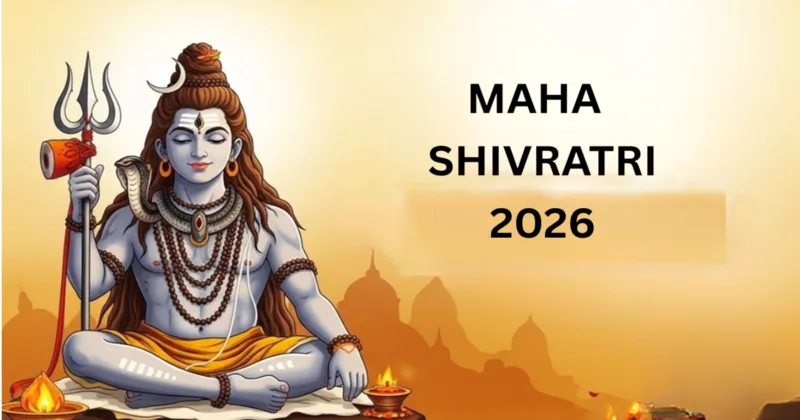
Maha Shivratri 2026 also known as Mahashivratri, Maha Shiv Ratri, or Mahashiv Raatri is among the most revered festivals in Hinduism, dedicated to Bhagwan Shiva, the symbol of cosmic energy, destruction of evil, and renewal of life. The festival, whose name literally means “The Great Night of Shiva,” carries deep spiritual and cultural significance for devotees worldwide. Every year, millions of devotees observe night-long vigils, chant Shiva mantras, and perform elaborate rituals, believing that sincere worship on this sacred night leads to liberation from past sins and union with the divine consciousness.
This year, Maha Shivratri is being celebrated on Sunday, February 15, 2026. The festival will continue through the night and conclude on February 16, according to the Hindu Panchang (calendar).
Chaturdashi Tithi (Auspicious Lunar Phase):
- Begins: 05:04 PM on February 15, 2026
- Ends: 05:34 PM on February 16, 2026
Key Puja & Vrat Timings
- Nishita Kaal Puja Time: 12:09 AM to 01:01 AM (Feb 16)
- Shivaratri Parana (Fast Breaking): 06:59 AM to 03:24 PM (Feb 16)
Maha Shivratri is not just a night of ritual worship; it is a cosmic event that symbolises the union of Shiva and Shakti, the two fundamental forces of creation and balance. Devotees believe that on this night, Lord Shiva manifested as the infinite pillar of light: Jyotirlinga, representing his boundless energy and presence in all creation.
According to the South Indian calendar, Shivaratri falling on the Krishna Paksha Chaturdashi of the Magha month is celebrated as Maha Shivratri. In the North Indian calendar, it is observed during the Phalguna month. Despite the difference in nomenclature, both regions celebrate it on the same day with identical devotion and enthusiasm.
Maha Shivratri is observed through strict fasting and deep devotion, symbolising both discipline and surrender to the divine. Devotees begin preparations with purity of mind and body, welcoming spiritual energy into their lives. On the day before Maha Shivratri, known as Trayodashi, it is customary to eat only once and consume simple, sattvic food to maintain spiritual focus.
On the day of Maha Shivratri, devotees wake up early, take a holy bath, and wear clean clothes as a mark of inner and outer purification. They visit nearby Shiva temples and take a Sankalp (vow) to observe a full-day fast, dedicating the day to Lord Shiva with complete faith and concentration. Throughout the day, they offer prayers seeking inner peace, strength, and divine guidance.
As evening approaches, devotees take another bath and prepare for the night-long worship. The Shiva Puja can be performed once during the Nishita Kaal or multiple times through the four Prahars (divisions of the night). Offerings such as milk, water, bel leaves (belpatra), fruits, and dhatura are made to the Shiva Linga while continuously chanting the sacred mantra “Om Namah Shivaya.” This uninterrupted devotion is believed to invoke Lord Shiva’s blessings and purify one’s soul.
The fast, known as Maha Shivratri Vrat, is broken after sunrise on February 16. This act, called Parana, should ideally be done before the Chaturdashi Tithi ends to receive the maximum spiritual benefits.
The night of Maha Shivratri is divided into four Prahars, each symbolising different stages of spiritual awakening. The first Prahar represents the awakening of consciousness, while the second Prahar signifies surrender to divine will. The third Prahar marks the purification of mind and soul, and the fourth Prahar represents ultimate union with divine energy, leading to moksha or liberation. Ratri Prahar Puja Timings:
- First Prahar: 06:11 PM – 09:23 PM
- Second Prahar: 09:23 PM – 12:35 AM (Feb 16)
- Third Prahar: 12:35 AM – 03:47 AM (Feb 16)
- Fourth Prahar: 03:47 AM – 06:59 AM (Feb 16)
These four Prahars (night divisions) mark the phases of worship, each believed to hold immense spiritual energy and divine grace.
By performing the Puja during all four Prahars with devotion and mindfulness, devotees are believed to attain immense spiritual merit, peace, and the divine grace of Lord Shiva. Performing puja during all four Prahars is considered most auspicious and is said to grant immense spiritual merit and divine grace.
Across India and abroad, temples such as Kashi Vishwanath Temple, Somnath Temple, Mahakaleshwar Jyotirlinga, and Kedarnath Temple will witness lakhs of devotees offering water, chanting hymns, and performing abhishek (ritual bathing of Shiva Linga). Many international Shiva temples in the United States, Nepal, and Mauritius will also hold special night-long events.
The collective vibration of chants like “Har Har Mahadev” and “Om Namah Shivaya” fills the air, believed to cleanse negativity and invite divine peace into human lives.