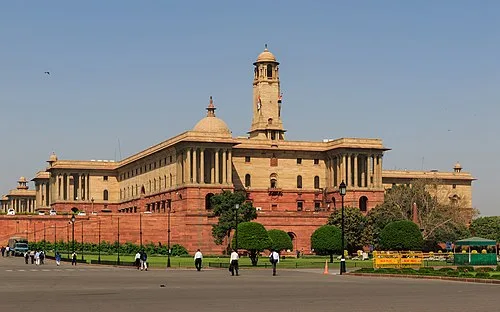
Constructed during British rule, North and South Blocks have served as the nerve centre of Indian administration for nearly 95 years. South Block housed the Prime Minister’s Office, while both blocks were key venues for Cabinet deliberations, policy formulation, and major decisions spanning post-Independence India.
Over the decades, the complex witnessed landmark moments, from peacetime policy decisions to emergency responses during crises and hosted Cabinets led by 16 Prime Ministers. Important reforms such as Direct Benefit Transfer, Swachh Bharat Abhiyan, Digital India, and the rollout of the Goods and Services Tax were executed from South Block. Decisions on sensitive issues including Article 370, triple talaq legislation, and strategic security operations like surgical and air strikes were also deliberated within these halls.
The Cabinet described the relocation as more than a mere administrative move, framing it as a symbolic shift from a colonial governance legacy to a modern, service-oriented administrative culture. “Today, the country is moving forward with the resolve of a developed future. For this, there was a need for a modern, technological and environmentally friendly office. A workspace that increases the productivity of every karmayogi working here and encourages his resolve of service,” the Cabinet release said.
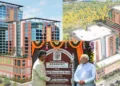
The new Seva Teerth and Kartavya Bhavans are designed as eco-friendly, technologically advanced structures to enhance administrative efficiency, promote digital governance, and provide a modern working environment for officials.
North and South Blocks to Become “Yuge Yugeen Bharat” National Museum
With government operations relocated, North and South Blocks will be repurposed as the “Yuge Yugeen Bharat” National Museum. According to the Cabinet, the museum will celebrate India’s rich civilizational history, connect the nation’s ancient cultural heritage with its modern achievements, and inspire generations.
The move is being presented as a symbolic step away from India’s colonial past towards a future-oriented governance framework. The museum will showcase milestones in Indian administration and governance, reflecting the country’s transition from typewriters to digital administration, and illustrating its journey from Independence to contemporary nation-building initiatives.
Officials quoted in media note that the shift will ensure that India’s administration is aligned with modern requirements of technology, efficiency, and environmental sustainability. By relocating offices to Seva Teerth and Kartavya Bhavans, the government aims to enhance productivity, provide better infrastructure for officials, and embrace a governance culture centered on service.
The Cabinet emphasised that the museum conversion will preserve the historical significance of North and South Blocks while celebrating India’s enduring civilizational legacy. It will allow citizens and visitors to witness and learn from decades of administrative history while connecting India’s ancient past with a prosperous, modern vision for the future.