BENGALURU: The number of illegal Bangladeshis in Karnataka, particularly in the state capital Bengaluru, is believed to be steadily rising, posing what experts and opposition parties describe as a serious internal security challenge. Recent estimates suggest that more than two lakh illegal Bangladeshi nationals may be living in Bengaluru alone. This revelation has triggered sharp political reactions, with opposition parties demanding immediate and decisive action from the state Home Department.
Amid these concerns, a recent PUBLIC TV reality check has brought to light startling details about how illegal migrants are entering, settling, and surviving in different parts of the city—raising troubling questions about enforcement gaps and administrative apathy.
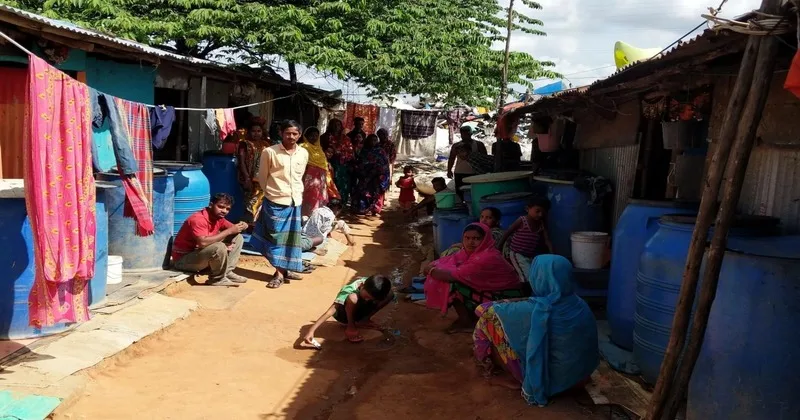
The investigation found that several areas, including KR Puram’s Shanthinagar Layout, have seen the mushrooming of illegal sheds where Bangladeshis are living openly. Ironically, while reports of attacks and killings of Hindus continue to emerge from Bangladesh, illegal migrants in Bengaluru appear to be living without fear, enjoying basic amenities and blending into local communities.
Fake documents and local networks
According to the reality check, many illegal immigrants are using forged or fraudulently obtained documents to establish residency in Bengaluru. Several migrants were found possessing Aadhaar cards, electricity connections, and local address proofs, enabling them to live like regular citizens. Shockingly, these networks are allegedly supported by intermediaries from Assam and Kolkata, who help arrange shelters and facilitate documentation.
One case revealed a senior citizen from a village near Dhaka who reportedly obtained an Aadhaar card for just Rs 3,000. He has been living in Bengaluru with his wife and children for over 15 years. The Aadhaar card was issued using a Lakshmidevinagar address in MS Palya, while he also continues to possess a Bangladeshi voter ID, raising serious concerns about identity verification systems.
Multiple case studies highlight loopholes
In another instance, an illegal immigrant residing in KR Puram spoke fluent Kannada and claimed he had previously been jailed for illegal stay, but is now out on bail. He told reporters he needed “some more time” before returning to Bangladesh. Another migrant revealed his route from Bangladesh to Kolkata, then by train to Bengaluru. He has been living in India for six years without possessing any identity document.
Yet another individual admitted to living in the city for seven to eight years without an Aadhaar, a ration card, or any official records. He responded only in Bengali, reinforcing suspicions about his nationality.
A particularly disturbing case involved a Bangladeshi family fleeing after spotting media cameras. A 13-year-old girl living with her parents and three sisters said they had earlier stayed in Bellandur and that she had attended school in Bengaluru. When locals reportedly asked them to return to Bangladesh, a clash ensued, leaving a man from West Bengal injured with wounds to his neck, hands, and legs.
Illegal amenities and official silence
The investigation also revealed that illegal settlements in KR Puram are receiving unauthorised electricity connections. The sheds were found equipped with televisions, refrigerators, fans, and other household facilities. This has sparked questions about the role of civic agencies—particularly BESCOM—and how power connections were sanctioned without valid documentation.
“How can electricity be disconnected within a month for unpaid bills, but illegal connections go unnoticed?” residents questioned.
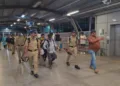
Following the media expose, KR Puram police swung into action, detaining several illegal residents and transporting them in Hoysala vehicles for questioning. While the sudden crackdown indicates awareness, critics argue it came only after public scrutiny.