After covering the Western belt of Jharkhand during the 2024 Assembly elections, travelling through Garhwa, Palamu, Latehar, and Lohardaga, one thing that deeply unsettled me was the extent to which this region has been riddled with missionary conversion activities. From small prayer meetings held in single-room houses to large churches established as early as the 1910s and 1920s, the experience was both shocking and deeply unsettling. Missing Simdega and Gumla previously, we at Organiser decided to travel to this region this time.
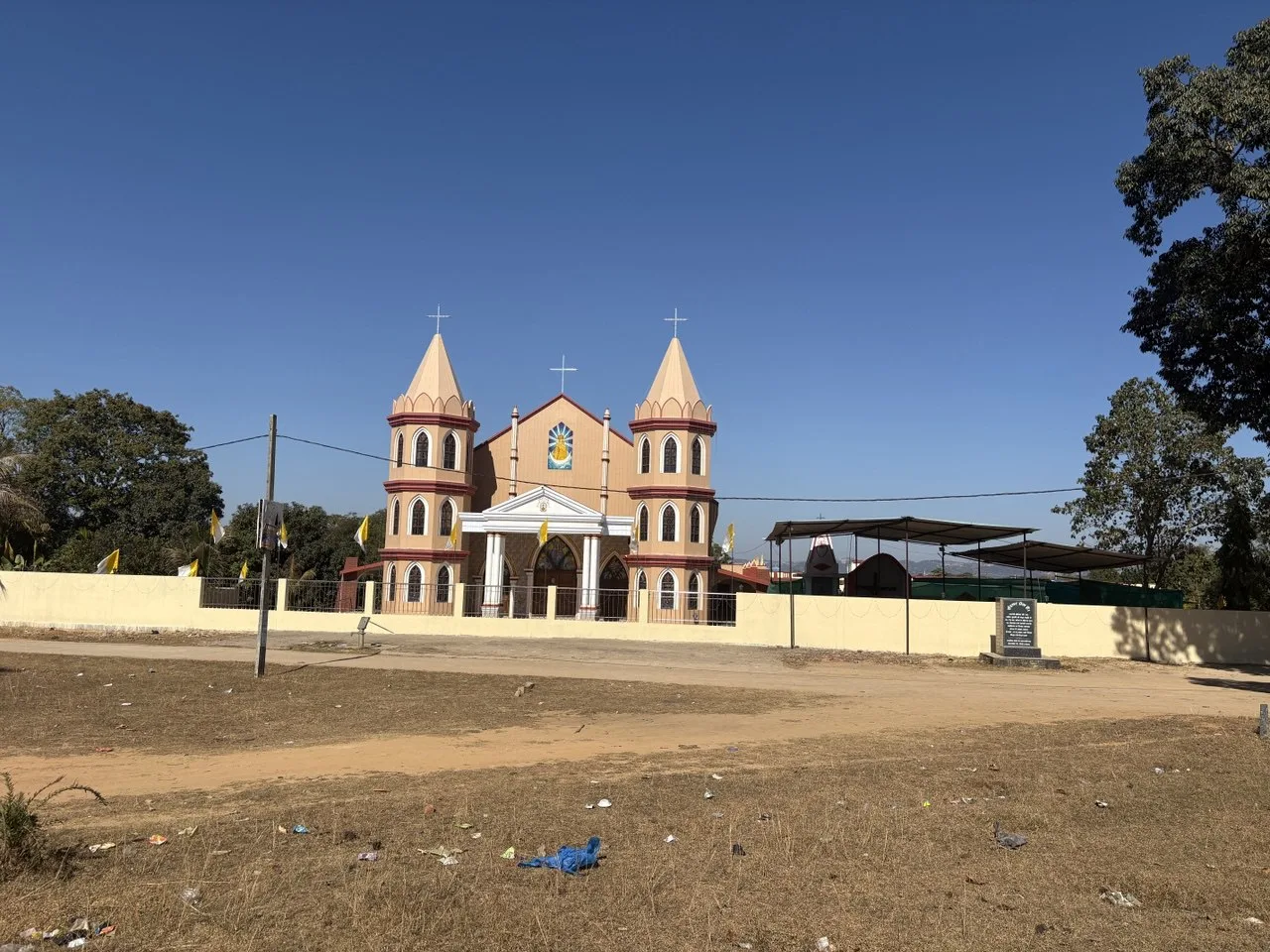
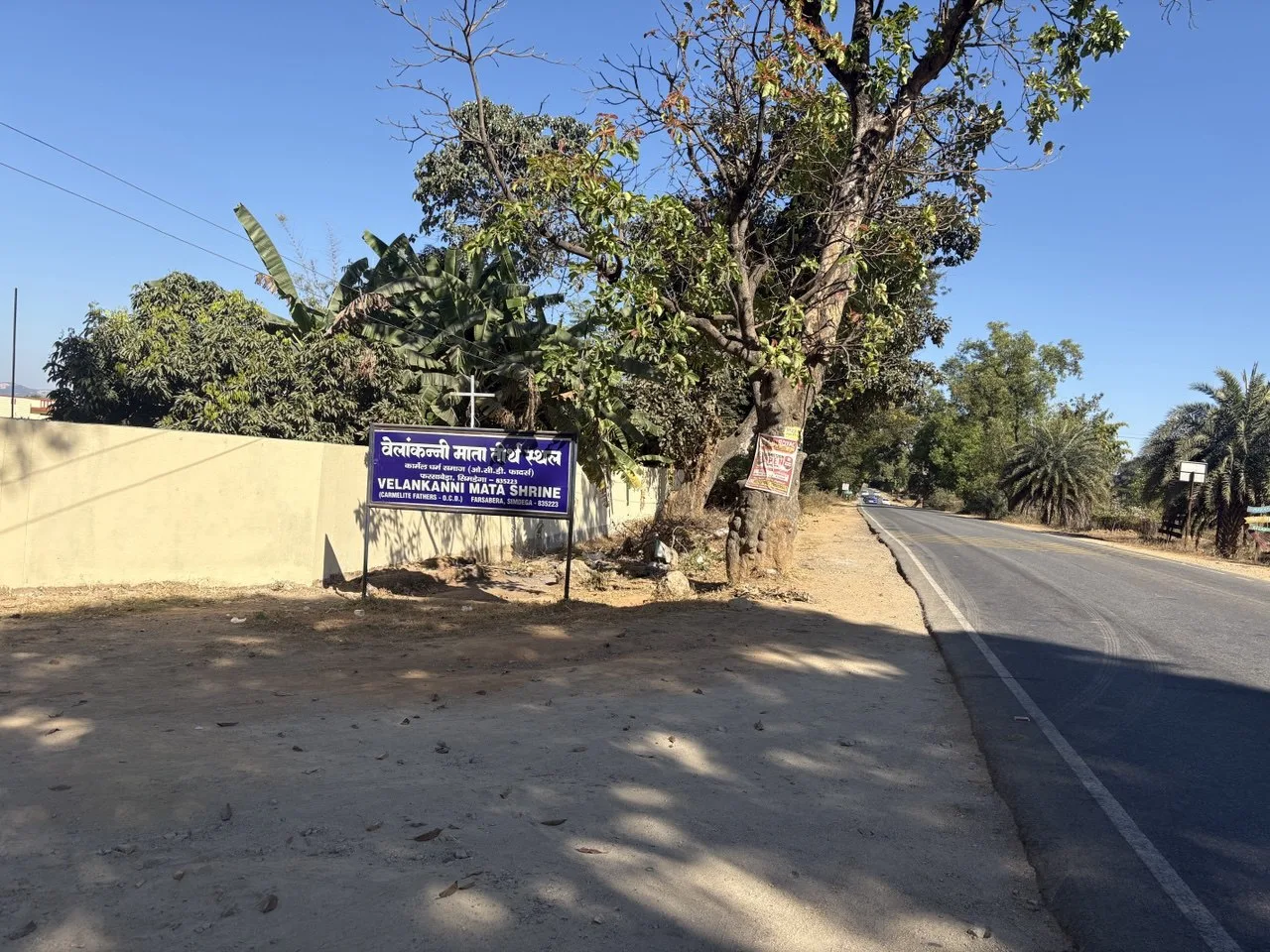
Come December 30, 2025, I reached Simdega to trace Christmas and New Year festivities in the area, often described as a “hotbed” and stronghold of missionary conversion. I was welcomed by a massive church named the “Velankanni Mata Shrine,” a Carmelite church. The murmurs about the region being a missionary stronghold only seemed to solidify.
Before proceeding, it is essential to briefly explain the origin of the name Simdega. In the local language, Sim means “murga” (rooster) and Dega means “to hop.” The region is named after an animal revered by the tribals, and even today, South Indian movie-style ‘murga fights’ are organised here, drawing hundreds of spectators.
Coming back to the story, Simdega has over 70 per cent of its population belonging to tribal communities, and more than 7 per cent from the Dalit community. Today, over 70 per cent of the population stands converted to Christianity. This conversion did not happen overnight. The families I met traced their conversion back more than 100 years, to the British era. With such a long history and deep missionary roots, question arises: How has this one tribe managed to protect itself for so long? How have they resisted relentless pressure? And how has no allurement ever shaken their resolve?
To find answers, I travelled to the villages of Jambahar in Kasdega, Tukupani, and Farsapani in Simdega district. Each of these villages has small churches, with converted tribal populations surrounding them. Yet, at their centre lives the Gond tribe, a community that has defied conversion, believing that abandoning their dharma would anger their ancestors and Kuldevtas. They insist they will not leave their faith, no matter the pressure.
I met Jagdhar Manjhi, an elderly man in his seventies, who has lived in the village for decades and witnessed the steady expansion of missionary activities. He told me, “We are Gond people, from Adikal. My ancestors have been practising these cultural traditions and nature worship for generations, and on that basis, we continue to follow them even today. But over time, as missionary networks have grown stronger than ever, some people have taken another path.”
He added, “But we have not deviated from our path, and we will continue to follow it in the future as well.”
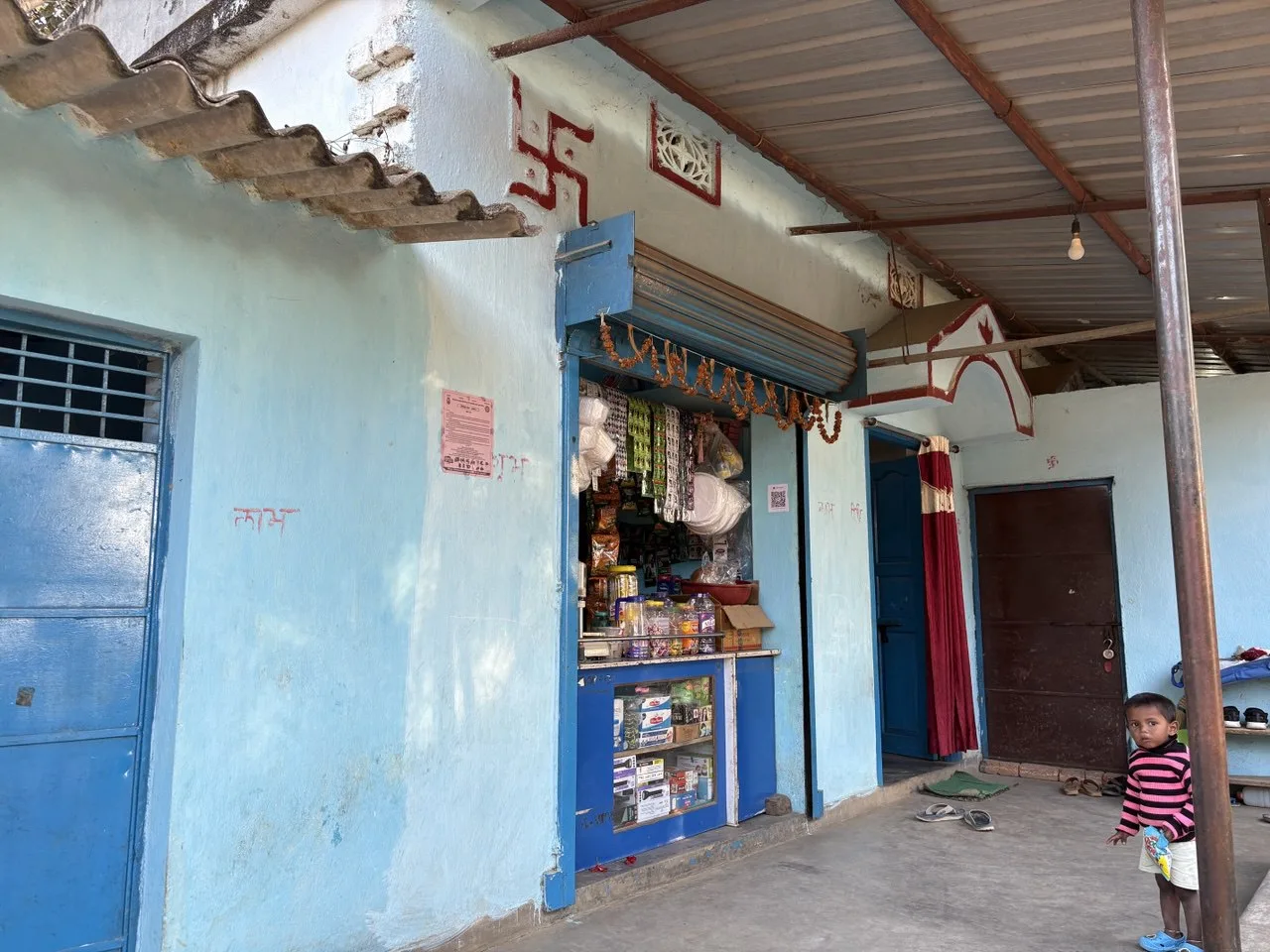
When asked whether people from churches had ever approached him or others with promises and allurements to draw them into conversion, he said, “This has not happened with me, but it has happened with many villagers. They offer allurements. If someone falls ill, they promise that going to church will cure the disease. This is how they spread their religion. Many tribes have fallen for these promises and started going to church, but not the Gond tribe.”
He further said, “People here have left their culture and traditions for a foreign religion and have entered a minority community. They are now enjoying the benefits of both tribal and minority status.”
He continued, “People from our tribe have not left their culture, but many others in the village have. If any family converts, we boycott them. We punish them by asking them to stay away. The entire community stops talking to them, doing business with them, or marrying into their families, until they stop going to church and return to the practices taught by our ancestors.”
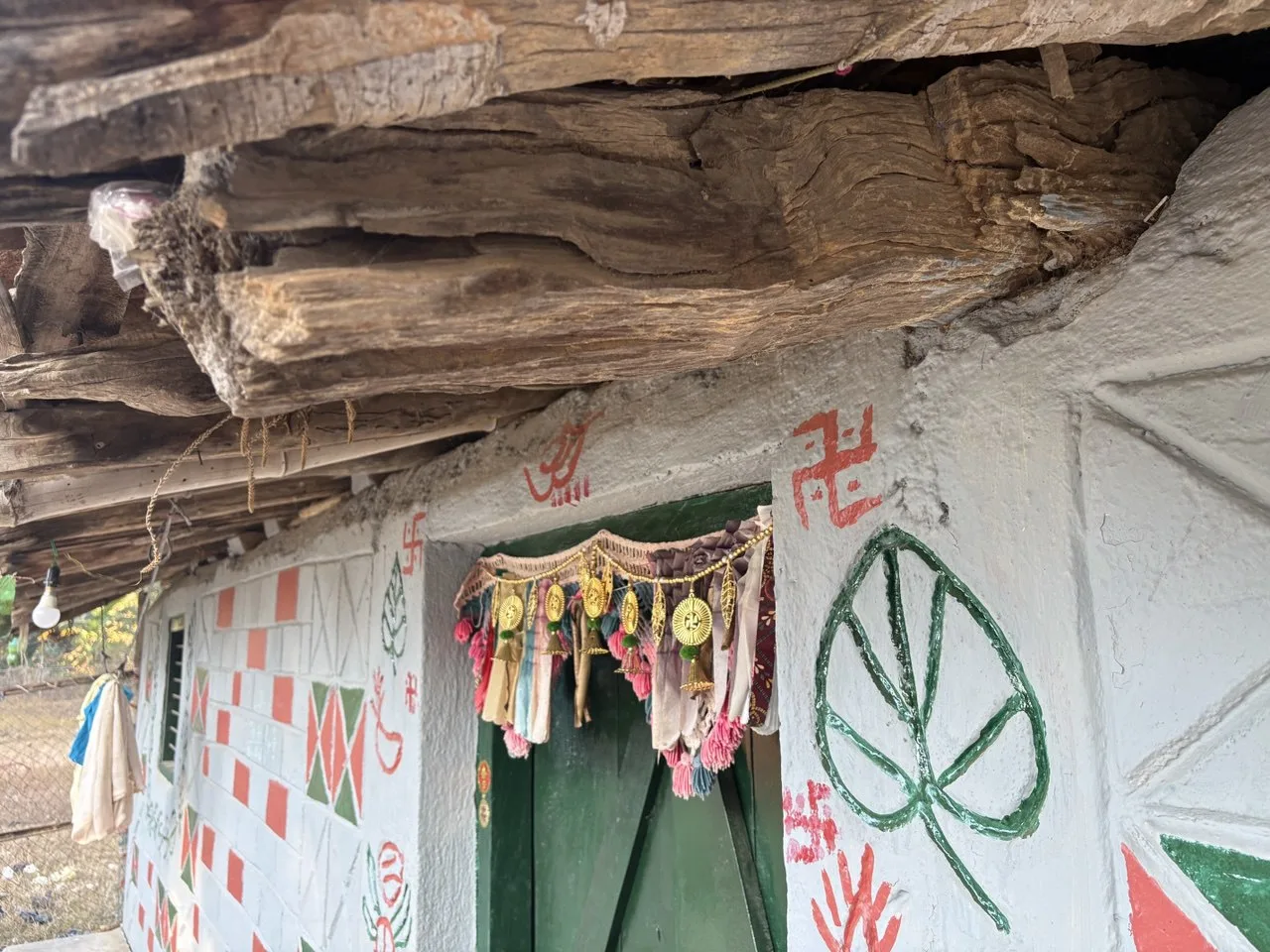
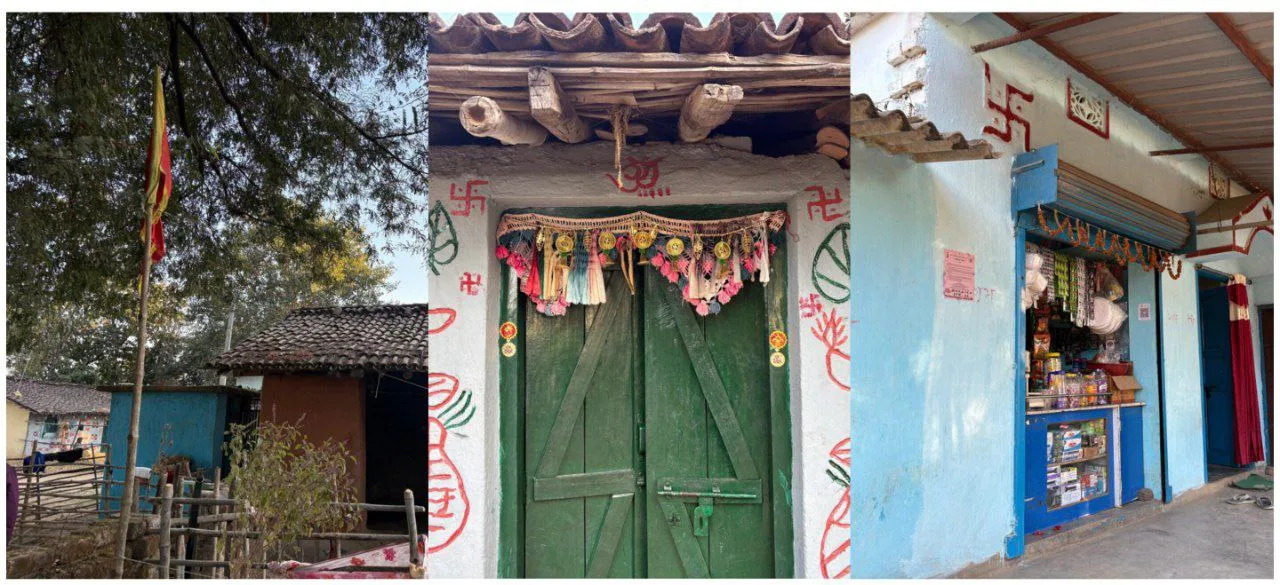
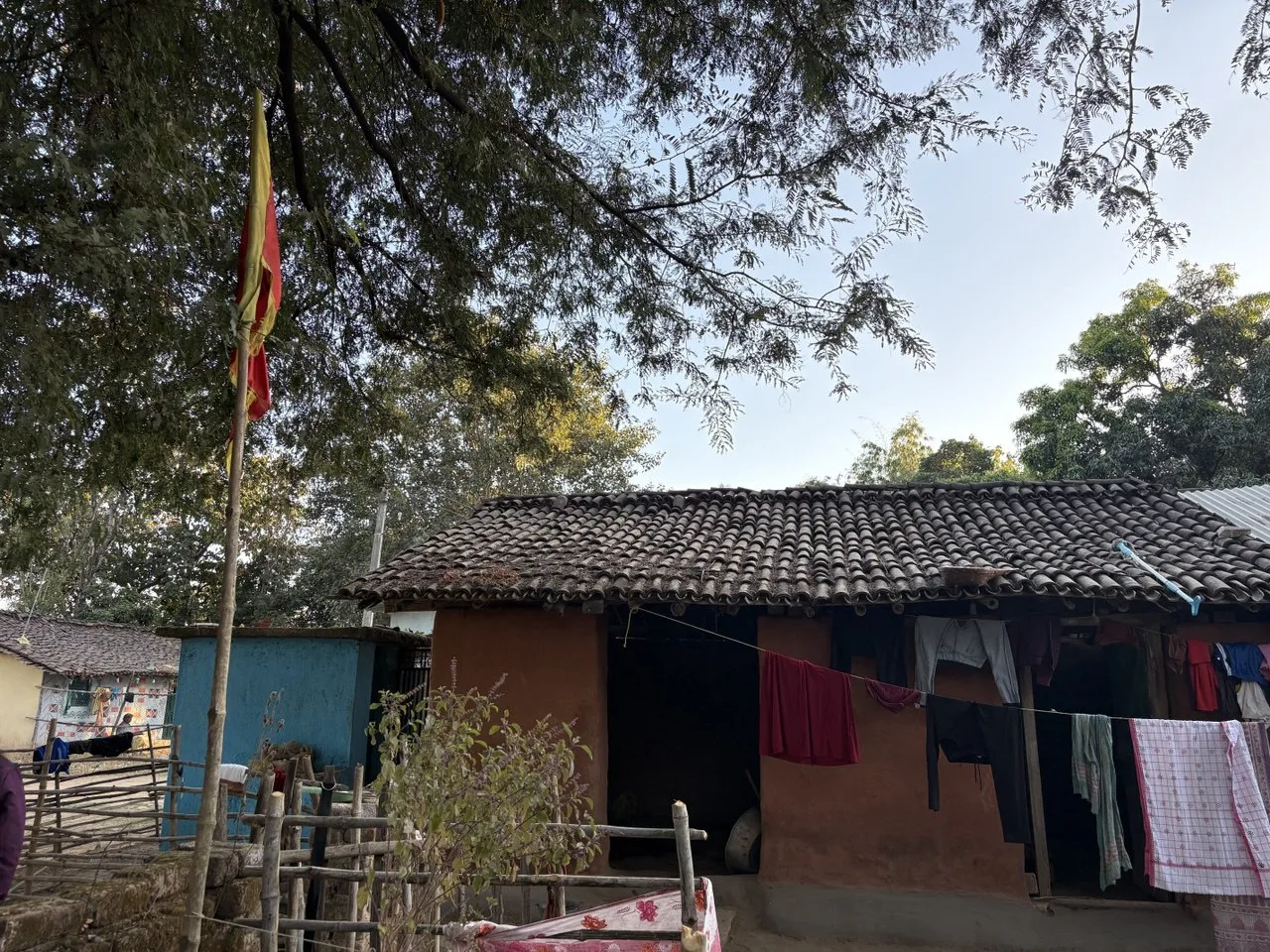
For a person who has covered conversion and seen converted families, their women in different district of Jharkhand, the condition in this village was different, women with smiling faces, vermilion on foreheads, tilak and bindis, flags installed outside the houses with the plasters engraved with symbols of “Om” and “Swastik,” it was an interesting blend, I had not imagined of.
Talking to an elderly man named Sildhar Manjhi, we found, ‘He has seen village after village getting converted, with people following a particular religion due to alluring promises, better houses, vehicles, marriages, money, healthcare, and much more.’
When asked whether he would abandon his religion for money or a better life, he replied firmly, “No. My religion is not for sale.”
He added, “Many people have converted, but people must think, stand their ground, and protect our shared culture instead of selling themselves to a foreign religion.”
When asked whether a tribal could be both Christian and tribal at the same time, he said, “People may be living like that, but it is not possible. These are two separate religions. They cannot be practised together. Everything between the two is different.”
Asked why he continues to follow what he himself called a “difficult path,” even as many abandon age-old traditions and ancestral gods, he said, “Not even once has such a thought crossed my mind. We must follow our ancestors. Whether it is a boy or a girl, we should not spoil their lives. If we abandon the practices we have followed for generations, it will harm us later. That is why we can never leave them.”
His voice carried a deep fear of abandoning their gods and facing consequences later.
“We worship Ram Bhagwan, Shiv ji, Hanuman ji, and also follow Sarna Dharma. We will not allow this to happen in our village,” Sildhar concluded.
Padmini Devi, another elderly woman from the village, told Organiser, “People from the church come to us, but we will not go to their religion. It is not possible. They say all ailments will be cured, but we cannot leave our religion for anything.”
She shared that she had once attended a Changai Sabha when her husband was ill for a long time. She went a few times but never converted, and claimed her husband recovered after attending the sabhas.
“They keep asking us to leave our religion and go to church, but we will not. Just because my husband recovered, we cannot abandon our faith,” she said.
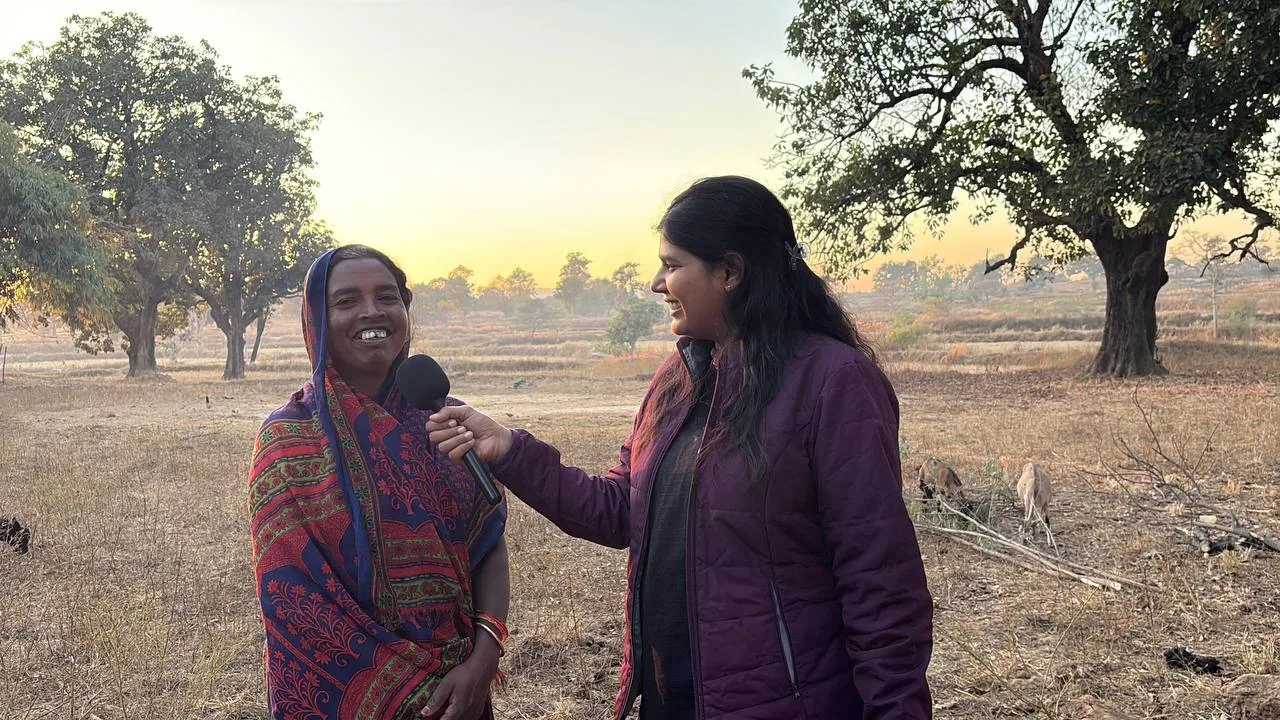
In the neighbouring village of Farsapani, I met families who had reverted to Sanatan Dharma after being converted for several months. A Mrityu Bhoj was being organised following a death in the village, and people from all age groups had gathered. I spoke informally with many, from school-going children to elderly men.
A girl named Arti Kumari said many of her classmates are Christians, and the school frequently takes students to visit churches. Shockingly, it is a government school.
Another woman, Kaseela Devi, from the same Gond tribe, said, “Many people in nearby villages go to church, but we will not. We worship our gods. It is not that we do not have a god, we do, and we will worship only that.”
Kailash Manjhi, a young man from the village, told Organiser, “Conversion here stems from illiteracy. People blindly follow what others say. Some families were misled and began going to church. A Panchayat was called, they were questioned, and after that, four families returned. Only one family remains.”
When asked if he feared future generations might not be able to protect their culture, he said, “The situation is very difficult. The church continues to rise and benefit, while tribals are steadily losing ground.”
He added, “Another problem is intoxication within our community. Once a person goes to church, they are made to leave alcohol and are given a structured environment. It becomes difficult for us to bring them back because we do not provide the same atmosphere.”
Another elderly woman said, “We are tribals. We are Hindus. How can we worship Jesus? When Jesus was born, Christianity began, but my gods existed before him. I worship Shankar ji, Ram ji, Krishna ji, gods from Treta and Dwapar Yug. How can we accept Jesus?”
Subhash Mahto, a district official of the Kumhar Samaj, was also present at the Bhoj. He said, “It is unfortunate to see the condition of our society. Wherever you go, you will find Changai Sabhas and Hallelujah events. They identify families, track their problems and weaknesses, and then trap innocent people.”
He added, “The biggest reason is that we never united against this. We never built temples or made our practices regular. We turned a blind eye and that is why we are losing ground.”
While travelling through Simdega and nearby villages, I came across four to five churches, both large and small, after visiting just two villages. I did not see a single tribal puja sthal. Responding to this, Mahto said: “There is no mandir, puja sthal, or devi sthal here, which is why we are forgetting everything. We worship only once or twice a year, during Kuldevta pujan. For the rest of the year, nothing happens. Missionaries call people weekly, teach children, and guide them. We do not.”
Mahto also spoke about political and government indifference and highlighted the issue of dual status.
“The Vidhayak is a Christian tribal. When non-converted people approach him for roads or assistance, he says, ‘You did not vote for me, I will not help.’”
“In tribal-dominated Jharkhand, tribals themselves have become a minority,” he added.
Slowly, non-converted tribes are beginning to protest against this dualism, demanding exclusive recognition for benefits such as reservations.
Recalling the condition of his people, Mahto said, “We are people who say Jai Shri Ram, Jai Shri Krishna. We will die, but we will never convert.”
Ending the conversation with “Ram Ram,” an elderly man standing nearby also raised up saying, “Jai Shri Ram.”
“Jai Jai Shri Ram,” I replied as I walked out of the village, carrying only hope that this community, and its future generations, will continue to live with the same resilience and spine shown by their forefathers.