MYSURU: The mysterious helium cylinder explosion near the Ambavilas Palace (commonly known as Mysore Palace) has now caught the attention of the National Investigation Agency (NIA). NIA officials are set to arrive in Mysore on December 26 to conduct an inspection of the blast site and gather vital information alongside local police as part of the ongoing investigation.
The incident and suspicions arise
The tragic incident occurred on the evening of December 26, when Salim, a 40-year-old balloon seller, was selling helium-filled balloons near the Jayamartanda gate in front of the palace. The explosion was so intense that it led to Salim’s gruesome death and his body was reportedly mutilated due to the blast’s force.
Initially, reports suggested that Salim was from Kolkata. However, new information has emerged that reveals he was actually from Uttar Pradesh. Salim, along with his brothers, had arrived in Mysore and had been staying at Sharif Lodge in the Lashkar Mohalla area for the last 15 days. This new revelation has raised more questions about his activities and why he had come to Mysore.
Unexplained circumstances surrounding the explosion
Helium, being an inert and non-flammable gas, does not typically explode. For this reason, helium-filled balloons are considered safe and are widely used at fairs and tourist attractions. The explosion of a helium cylinder in a public area like this is extremely rare and its occurrence inside the palace premises has prompted further investigations.
Sources suggest that helium was possibly mixed with another gas, leading to the explosion. The fact that Salim arrived in Mysore only a month ago and had access to a helium cylinder raises suspicions. How did someone who had just arrived in the city manage to procure a helium cylinder with apparent ease? This is one of the key questions investigators are now focusing on.
The explosion occurred at approximately 8:30 PM when Salim was selling balloons on a bicycle. Eye witnesses, including a palace guide, reported that Salim had never previously sold balloons in front of the palace. The guide mentioned that Salim typically sold his balloons at other locations, making it even more suspicious that the explosion occurred right in front of the palace. Why did Salim, who was not known to frequent this area, choose this location, and why did the cylinder explode just as he arrived?
Police investigation underway
The police have now launched a comprehensive investigation into the incident. Key questions include whether the explosion was an accident or intentional. Why did the explosion occur suddenly in front of the palace? Was Salim’s presence there planned or was it purely coincidental?
Authorities have started to dig into Salim’s background. They are investigating when he arrived in Mysore and how long he had been selling balloons in the area. Questions are also being raised about whether Salim was only selling balloons or if he was involved in other activities. Salim had reportedly been accompanied by two other people who were also selling balloons. On the day of the explosion, however, only Salim went out to sell balloons, while the others stayed in the lodge. The police have taken both individuals into custody for questioning.
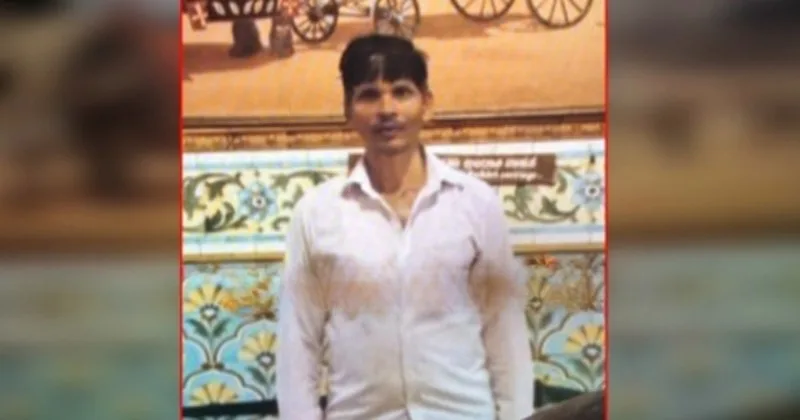
Moreover, a photo has emerged showing Salim inside the palace premises before the explosion. Authorities are now investigating the timing and nature of his visit inside the palace, seeking to understand whether he was there solely for selling balloons or if there were other motives at play.
Although helium is generally considered safe, the explosion has raised concerns about potential misuse or contamination of the gas. Helium is chemically stable and does not react with oxygen, making it non-flammable and safer than highly flammable gases like hydrogen. However, if mixed with other gases or handled improperly, even an inert gas like helium can become hazardous.