Supreme Court Ends Oral Mentioning: What the reform means?
June 27, 2026
  • Read Ecopy
  • Circulation
  • Advertise
  • Careers
  • About Us
  • Contact Us
Android AppiPhone AppArattai
Organiser
  • ‌
  • Bharat
    • Assam
    • Bihar
    • Chhattisgarh
    • Jharkhand
    • Maharashtra
    • View All States
  • World
    • Asia
    • Europe
    • North America
    • South America
    • Africa
    • Australia
  • Editorial
  • International
  • Opinion
  • RSS @ 100
  • More
    • Op Sindoor
    • Analysis
    • Sports
    • Defence
    • Politics
    • Business
    • Economy
    • Culture
    • Special Report
    • Sci & Tech
    • Entertainment
    • G20
    • Azadi Ka Amrit Mahotsav
    • Vocal4Local
    • Web Stories
    • Education
    • Employment
    • Books
    • Interviews
    • Travel
    • Law
    • Health
    • Obituary
  • Subscribe
    • Subscribe Print Edition
    • Subscribe Ecopy
    • Read Ecopy
  • ‌
  • Bharat
    • Assam
    • Bihar
    • Chhattisgarh
    • Jharkhand
    • Maharashtra
    • View All States
  • World
    • Asia
    • Europe
    • North America
    • South America
    • Africa
    • Australia
  • Editorial
  • International
  • Opinion
  • RSS @ 100
  • More
    • Op Sindoor
    • Analysis
    • Sports
    • Defence
    • Politics
    • Business
    • Economy
    • Culture
    • Special Report
    • Sci & Tech
    • Entertainment
    • G20
    • Azadi Ka Amrit Mahotsav
    • Vocal4Local
    • Web Stories
    • Education
    • Employment
    • Books
    • Interviews
    • Travel
    • Law
    • Health
    • Obituary
  • Subscribe
    • Subscribe Print Edition
    • Subscribe Ecopy
    • Read Ecopy
Organiser
  • Home
  • Bharat
  • World
  • Operation Sindoor
  • Editorial
  • Analysis
  • Opinion
  • Culture
  • Defence
  • International Edition
  • RSS @ 100
  • Magazine
  • Read Ecopy
Home Bharat

Supreme Court Ends Oral Mentioning: What does the reform mean?

In a move aimed at strengthening procedural fairness and institutional discipline, the Supreme Court has discontinued the long-standing practice of oral mentioning for urgent case listings, replacing it with a structured written urgency mechanism. Under the stewardship of Chief Justice of India Justice Surya Kant, the reform seeks to eliminate informal privilege in courtroom access while ensuring that genuinely urgent matters continue to receive prompt judicial attention

Adv Karan ThakurAdv Karan Thakur
Dec 16, 2025, 08:20 pm IST
in Bharat, Law
Follow on Google News
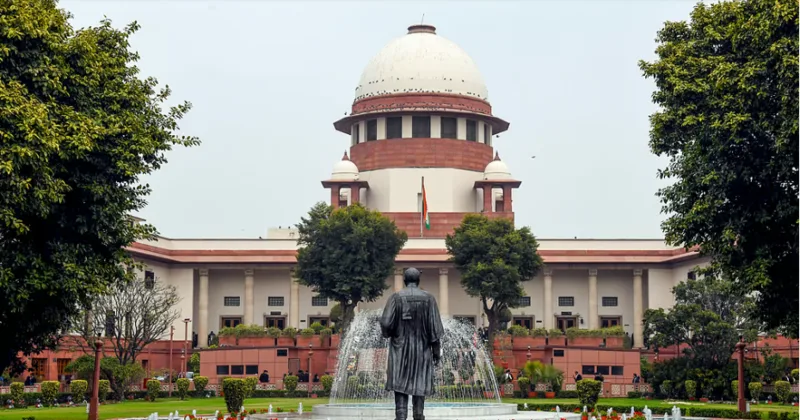
Supreme Court of India

Supreme Court of India

FacebookTwitterWhatsAppTelegramEmail

NEW DELHI: The Supreme Court’s decision to discontinue the long-standing practice of oral mentioning, under the stewardship of the Chief Justice of India Justice Surya Kant, marks a subtle yet significant moment in India’s judicial evolution. While the reform may appear procedural on the surface, its deeper implications strike at the heart of institutional fairness, judicial discipline, and the gradual dismantling of informal privilege within the justice delivery system.

For decades, oral mentioning, where senior lawyers verbally requested urgent listing of matters in open court had become an entrenched feature of Supreme Court functioning. Though never formally codified, it evolved into a parallel access mechanism, often dependent on visibility, seniority, or proximity to power. In practice, this blurred the line between genuine urgency and perceived importance, inadvertently nurturing a culture where access sometimes mattered more than merit.

Against this backdrop, the Chief Justice of India has clarified that the reform does not extinguish urgency-based access to the Court. Rather, it restructures it. Oral mentioning as a personalised, open-court practice has been stopped, but urgent mentioning continues through written submissions, assessed strictly on the basis of demonstrable urgency. This distinction is central to understanding the reform’s constitutional balance.

Also Read: Hindu Rate of Growth: Debunking the myth

By shifting urgency requests to a written format, the Court has institutionalised objectivity. Written mentioning compels precision: the urgency must be articulated, substantiated, and justified. It curbs impulsive interruptions of court proceedings and ensures that judicial time is allocated through an orderly, transparent process. Importantly, it places all members of the Bar, senior or junior, well-connected or otherwise on an equal procedural footing.

This reform sends a clear normative signal: urgency will be heard, but privilege will not. In doing so, it quietly challenges the remnants of VIP culture that had seeped into courtroom practice. The Supreme Court, as a constitutional court, derives its moral authority not merely from its judgments but from the fairness of its processes. When access becomes structured and rule-based, public confidence in the institution is strengthened.

From a constitutional perspective, the move aligns with Article 14’s mandate of equality before the law. Procedural equality is an often-overlooked dimension of substantive justice. When urgency is filtered through uniform written standards rather than oral discretion, the system moves closer to neutral adjudication. It also resonates with modern principles of court management, where predictability and discipline are essential to handling ever-expanding dockets.

Critically, the reform does not impede access to justice. On the contrary, it refines it. Genuine emergencies matters involving liberty, irreparable harm, or constitutional urgency, remain fully capable of being listed expeditiously. What has changed is the elimination of performative urgency and the curtailment of informal hierarchies at the Bar.

The leadership shown by the Chief Justice in this regard reflects an understanding that institutional reform need not always be dramatic. Sometimes, quiet course corrections recalibrate culture more effectively than sweeping proclamations. By prioritising written urgency over oral privilege, the Supreme Court has reaffirmed that procedure is not a mere technicality, it is the architecture of justice itself.

In an era where public trust in institutions is closely scrutinised, this measured reform stands as a reminder that credibility is built not only through landmark judgments but through everyday fairness in process. The end of oral mentioning, coupled with a robust written urgency mechanism, is a step in that direction, modest in appearance, but profound in message.

Topics: Supreme CourtJustice Surya Kantchief justice of indiaJudicial Reforms
ShareTweetSendShareSend
✮ Subscribe Organiser YouTube Channel. ✮
✮ Join Organiser's WhatsApp channel for Nationalist views beyond the news. ✮
Previous News

Uttarakhand approves Jan Vishwas Act to decriminalise minor offences, replace jail terms with higher fines

Next News

Redefining Hindu rate of growth

Related News

Supreme Court of India

‘RTI activism has become business’: SC denies anticipatory bail, questions activist’s authority to monitor road project

The AMU Judgment: Why the Supreme Court must revisit Article 30

Tamil Nadu Assembly (File Photo)

Tamil Nadu speaker drops action against 21 rebel AIADMK MLAs after EPS withdrawal, targets 4 who joined TVK

Supreme Court remarks have revived the UAPA bail debate, with supporters citing national security concerns

UAPA Bail Debate: Striking a delicate balance between individual liberty and national security

Supreme Court invokes Article 142, issues strict timelines to curb delay in High Court judgments

Supreme Court invokes Article 142, orders strict timelines for High Court judgments to end delays in justice delivery

SIR and Article 324: Supreme Court strengthens the constitutional spine of Indian Democracy; Reaffirms ECI’s authority

Load More

Latest News

Shivaji Maharaj's Coronation (This is an AI generated image)

Hindu Samrajya Diwas: Coronation of Chhatrapati Shivaji Maharaj—Timeless symbol of swarajya & civilizational resurgence

Metropolitan Yuhanon Mar Diascoros (File Photo)

Keralam: Church, CM VD Satheesan oppose FCRA amendments; BJP says rules target violations, not religion or charity

PM Modi emplanes for Seychelles: Maritime security, tourism ties in focus; Island nation backs India’s UNSC seat

Amid rising global conflicts and uncertainty, the idea of ‘Swa’ offers Bharat a foundation for self-reliance, resilience, and civilisational confidence

The Geopolitics of Selfhood: Why the idea of ‘Swa’ is emerging as Bharat’s strategic compass in a turbulent world

Operation Amistad: India airlifts BHISHM hospital to Venezuela; Reflects healthcare innovation & humanitarian diplomacy

16th-century Vijayanagara inscription found in Seshachalam forest

Historic Discovery in Tirupati: Two Vijayanagara-era inscriptions reveal secrets of 16th-century mandir administration

Birth Anniversary of Bankim Chandra Chattopadhyay: A life dedicated to awakening national identity & self-respect

The alleged missionary-Maoist nexus has raised concerns over foreign funding, radicalisation and national security in India's tribal regions

From Foreign Funds to Red Terror: Investigating alleged missionary-Maoist nexus operating in India’s tribal heartlands

Tamil Nadu: Hindu Munnani objects to portraits of Vijay being placed inside temple sanctums

(Left) Damage to Beijing's CITIC Tower (Right) Aircraft wreckage (right) after a small plane crashed into the city's tallest skyscraper.

Aircraft Crashes into China’s highly secured CITIC Tower: Residents question Beijing’s air defence radar system

Load More
  • Privacy
  • Terms
  • Cookie Policy
  • Refund and Cancellation
  • Delivery and Shipping

© Bharat Prakashan (Delhi) Limited.
Tech-enabled by Ananthapuri Technologies

  • Home
  • Search Organiser
  • Bharat
    • Assam
    • Bihar
    • Chhattisgarh
    • Jharkhand
    • Maharashtra
    • View All States
  • World
    • Asia
    • Africa
    • North America
    • South America
    • Europe
    • Australia
  • Editorial
  • Operation Sindoor
  • Opinion
  • Analysis
  • Defence
  • Culture
  • Sports
  • Business
  • RSS @ 100
  • Entertainment
  • More ..
    • Sci & Tech
    • Vocal4Local
    • Special Report
    • Education
    • Employment
    • Books
    • Interviews
    • Travel
    • Health
    • Politics
    • Law
    • Economy
    • Obituary
  • Subscribe Magazine
  • Read Ecopy
  • Advertise
  • Circulation
  • Careers
  • About Us
  • Contact Us
  • Policies & Terms
    • Privacy Policy
    • Cookie Policy
    • Refund and Cancellation
    • Terms of Use

© Bharat Prakashan (Delhi) Limited.
Tech-enabled by Ananthapuri Technologies