Securing one of the world’s largest digital ticketing ecosystems, Indian Railways has fortified its online reservation system with enhanced cybersecurity protocols and user verification tools. The measures, unveiled by Railway Minister Ashwini Vaishnaw in the Lok Sabha on Thursday, underline a comprehensive revamp designed to tackle automated booking, suspicious user activity and misuse of the Tatkal system.
According to the Minister, the push for digital safeguards gained urgency due to the increasing sophistication of illegal ticketing networks and the rising reliance of passengers on digital platforms. With millions of transactions occurring daily on the IRCTC system, the Railways has now rolled out multi-layered barriers intended to protect data, block bots and ensure that genuine travellers get better access to reserved tickets.
One of the most notable developments has been the revalidation and clean-up of user accounts, leading to the deactivation of a staggering 3.02 crore suspicious user IDs since January 2025. Officials believe that many of these accounts were linked to touts, bots, or automated scripts used to corner tickets unfairly. This large-scale digital sweep is expected to significantly relieve pressure on peak-time bookings and restore fairness to the reservation process.
To counter automated ticket booking, Railways has deployed cutting-edge anti-bot solutions such as AKAMAI, which help detect and block non-genuine users attempting to access the system. These tools scrutinise traffic patterns, identify suspicious behaviour and neutralise automated scripts, creating a more level playing field for regular passengers. The deployment of anti-bot defences represents a strategic shift toward proactively shutting down avenues for digital misuse.
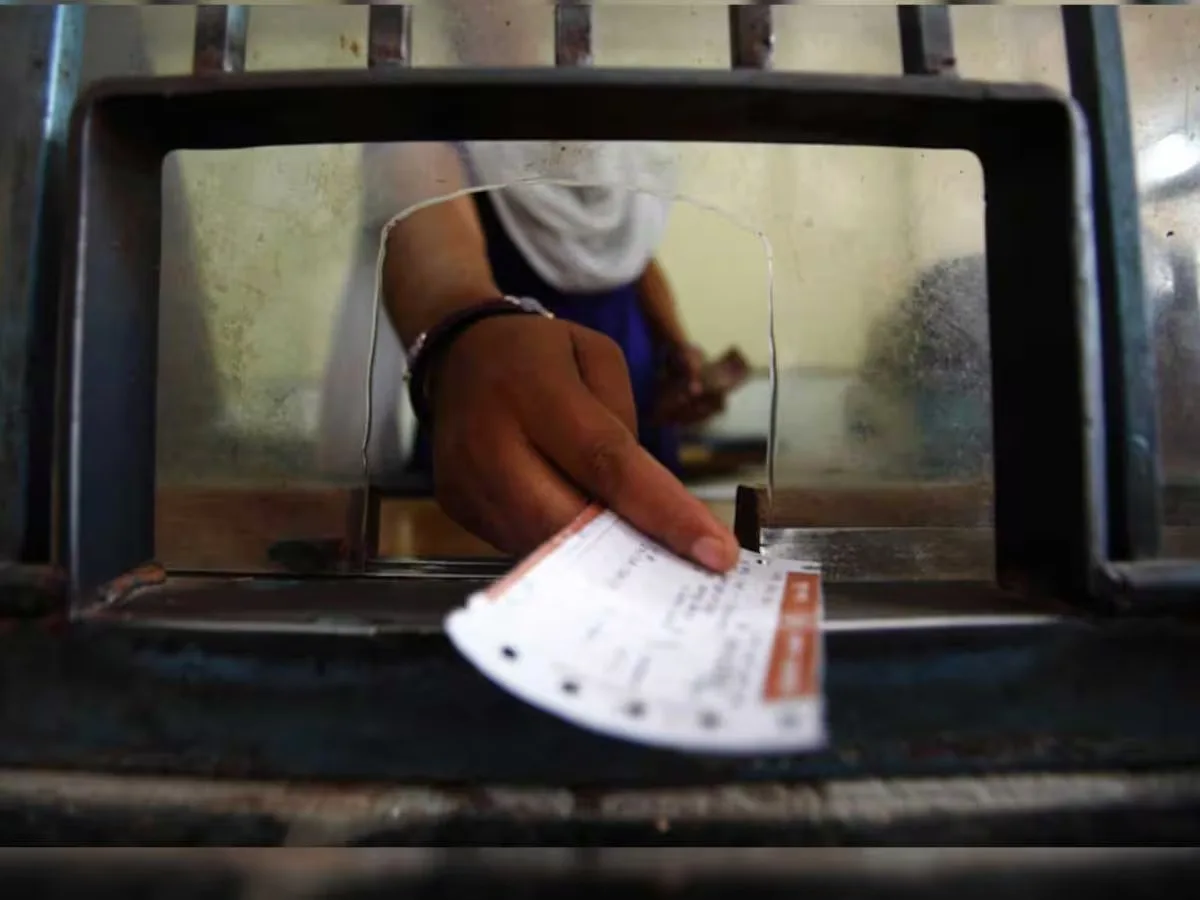
A major reform has been introduced in the Tatkal booking mechanism, which has often been a target for touts and automated tools due to its high demand and short booking window. Indian Railways has now incorporated Aadhaar-based one-time password (OTP) verification, implemented both online and at reservation counters. The Minister informed Parliament that OTP-based verification has already been rolled out in 322 trains for online Tatkal booking and in 211 trains through physical counters.
The impact has been significant. In trains using online Aadhaar verification, Tatkal ticket availability duration has increased by nearly 65%, offering passengers a longer window to secure bookings. In 96 popular trains monitored closely by the Railways, availability improved by an impressive 95%, indicating the effectiveness of the new system. The Ministry has also lodged complaints on the National Cyber Crime Portal regarding suspiciously booked PNRs, tightening the crackdown on potential misuse.
Behind these user-facing improvements lies a formidable cybersecurity backbone. The ticketing system now operates with network firewalls, intrusion prevention systems, and web application firewalls that collectively guard critical infrastructure. The reservation platform is hosted in a dedicated, access-controlled data centre fortified with CCTV oversight, encryption layers and compliance with ISO 27001, the global standard for information security management.
To further enhance monitoring, RailTel Corporation of India Ltd. provides cyber threat intelligence services that include deep and dark web surveillance, digital risk protection and takedown support. This allows the Railways to identify malicious activities, compromised credentials or unauthorised resale attempts circulating in hidden online networks. Additionally, CERT-In and the National Critical Information Infrastructure Protection Centre (NCIIPC) continuously monitor internet traffic associated with the ticketing system to detect anomalies or cyber threats in real time.
Regular audits by CERT-In–empanelled agencies ensure the reservation system remains compliant, updated and fortified against vulnerabilities. The Railways also maintains an ongoing process of reviewing inputs from passengers, public representatives and cyber experts, making adjustments wherever required.
With this expansive overhaul, Indian Railways appears committed not only to protecting its digital infrastructure but also to ensuring fairness and accessibility for millions of passengers who rely on its services every day. The upgraded system marks a decisive step towards transparency, security and user-centric reform in the country’s largest public transportation network.