The World post the American order
July 13, 2026
  • Read Ecopy
  • Circulation
  • Advertise
  • Careers
  • About Us
  • Contact Us
Android AppiPhone AppArattai
Organiser
  • ‌
  • Bharat
    • Assam
    • Bihar
    • Chhattisgarh
    • Jharkhand
    • Maharashtra
    • View All States
  • World
    • Asia
    • Europe
    • North America
    • South America
    • Africa
    • Australia
  • Editorial
  • International
  • Opinion
  • RSS @ 100
  • More
    • Op Sindoor
    • Analysis
    • Sports
    • Defence
    • Politics
    • Business
    • Economy
    • Culture
    • Special Report
    • Sci & Tech
    • Entertainment
    • G20
    • Azadi Ka Amrit Mahotsav
    • Vocal4Local
    • Web Stories
    • Education
    • Employment
    • Books
    • Interviews
    • Travel
    • Law
    • Health
    • Obituary
  • Subscribe
    • Subscribe Print Edition
    • Subscribe Ecopy
    • Read Ecopy
  • ‌
  • Bharat
    • Assam
    • Bihar
    • Chhattisgarh
    • Jharkhand
    • Maharashtra
    • View All States
  • World
    • Asia
    • Europe
    • North America
    • South America
    • Africa
    • Australia
  • Editorial
  • International
  • Opinion
  • RSS @ 100
  • More
    • Op Sindoor
    • Analysis
    • Sports
    • Defence
    • Politics
    • Business
    • Economy
    • Culture
    • Special Report
    • Sci & Tech
    • Entertainment
    • G20
    • Azadi Ka Amrit Mahotsav
    • Vocal4Local
    • Web Stories
    • Education
    • Employment
    • Books
    • Interviews
    • Travel
    • Law
    • Health
    • Obituary
  • Subscribe
    • Subscribe Print Edition
    • Subscribe Ecopy
    • Read Ecopy
Organiser
  • Home
  • Bharat
  • World
  • Operation Sindoor
  • Editorial
  • Analysis
  • Opinion
  • Culture
  • Defence
  • International Edition
  • RSS @ 100
  • Magazine
  • Read Ecopy
Home World North America USA

The world post the American order

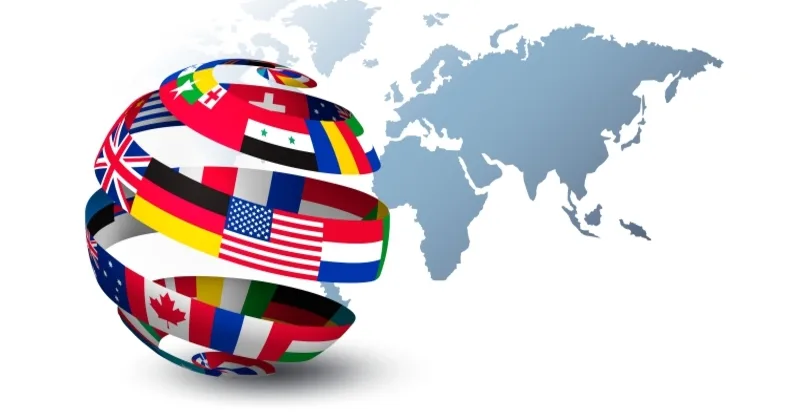
This new era is defined less by ideological blocs than by pragmatic alignments. Countries across the Global South are recalibrating their foreign policies, weighing the costs of US unpredictability against the benefits of Chinese engagement. For many, the choice is not about endorsing authoritarianism but about securing economic growth and strategic autonomy in a multipolar world

Ameya KulkarniAmeya Kulkarni
Oct 19, 2025, 07:30 pm IST
in USA, World, China
Follow on Google News
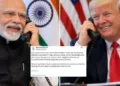
The new era is defined less by ideological blocs than by pragmatic alignments. Countries in Global South are recalibrating foreign policies

The new era is defined less by ideological blocs than by pragmatic alignments. Countries in Global South are recalibrating foreign policies

FacebookTwitterWhatsAppTelegramEmail

Eighty years after the Allied victory in World War II, the much-publicized commemorative parades in Beijing, Moscow and Washington may evoke a sense of comity and continuity. But beneath the spectacle, the world order forged in the War’s aftermath is fraying. The international system that once anchored global stability, built on institutions like the United Nations and sustained by American leadership, is now in retreat. And in its place, a new contest for legitimacy and influence is unfolding — one in which China increasingly claims the mantle of global stewardship.

The post-war era was defined by a US-led consensus around liberal democracy, multilateralism and open markets. For decades, this “Pax Americana” offered security and prosperity to allies across Europe and Asia, while underwriting the expansion of globalization. Yet, the system was never without contradictions. From the Vietnam War to the invasion and occupation of Iraq and Afghanistan, American overreach often strained the credibility of its leadership. The 2008 financial crisis further exposed the fragility of the US-anchored economic order.

Still, it took the presidency of Donald Trump to truly accelerate the unravelling. His embrace of ultranationalism, disdain for multilateral institutions and aggressive trade policies marked a sharp departure from the bipartisan tradition of American globalism. Trump’s administration viewed the post-war system not as a legacy to uphold, but as a liability — one that had enabled rivals like China to rise at America’s expense. While it is dangerous to draw sweeping conclusions from his erratic social media posts or even his extraordinary rant at the opening day of the UN General Assembly session, his tweet writing off India and Russia as “lost” to “deepest, darkest China” seemed to set the seal on US disengagement — even if he has seemingly pulled back from that later, with his dramatic announcement of a peace deal over Gaza.

This rupture has had profound consequences. By undermining the very institutions that once projected US influence, Trump opened the door for alternative visions of global governance. Beijing, long wary of American dominance, seized the opportunity to recast itself as a defender of multilateralism and stability. Chinese President Xi Jinping has repeatedly emphasized the need to “safeguard the authority of the United Nations” and promote “inclusive economic globalization” — a rhetorical pivot that positions China as a responsible stakeholder in contrast to Washington’s perceived belligerence.

Xi’s message resonates more strongly today than it might have a decade ago. As Trump’s second term unfolds, his administration’s confrontational stance towards key Global South powers — especially India and Brazil — has alienated partners and pushed them toward Beijing. Xi used the Shanghai Cooperation Organisation summit in China to call for resistance to “hegemonism and power politics”, a thinly veiled critique of US foreign policy and to champion “true multilateralism”.

This reorientation is not merely symbolic. China has become the largest trading partner for over 100 countries, including many of those represented at the summit. While China’s own economic practices remain opaque and state-driven, they now appear less destabilizing than Washington’s erratic trade wars and punitive sanctions, accompanied by the surround-sound of gratuitous insults.

The implications of this shift are far-reaching. Trump’s approach has not only weakened America’s soft power but also eroded its credibility as a global leader. By sidelining institutions, silencing public diplomacy outlets, withholding payments of dues to international organisations and withdrawing from key UN agencies, the administration has dismantled the very tools that once enabled the US to shape international norms. This self-inflicted retreat has emboldened rivals and unsettled allies, leaving a vacuum that China is eager to fill.

Critics within the US foreign policy establishment warn of dire consequences. Former defence officials argue that dismantling the post-war order threatens global stability and undermines decades of diplomatic progress. While some analysts stop short of apocalyptic predictions, there is broad consensus that Trump’s policies are accelerating a transition toward a more fragmented and competitive world.

This new era is defined less by ideological blocs than by pragmatic alignments. Countries across the Global South are recalibrating their foreign policies, weighing the costs of US unpredictability against the benefits of Chinese engagement. For many, the choice is not about endorsing authoritarianism but about securing economic growth and strategic autonomy in a multipolar world.

China’s ascent is not without challenges. Its assertiveness in the South China Sea, its human-rights record, its belligerence on its borders with India, its enormous stake in Pakistan and its readiness to weaponize its monopoly over essential materials like rare earths, remain sources of concern. Yet in the current geopolitical climate, these issues are often overshadowed by the broader appeal of stability and investment. As Trump continues to dismantle the architecture of American-led globalism, Beijing’s narrative gains traction — not because it is universally embraced, but because it fills a void.

Also Read: ISKP- Lashkar Coming Together: Pakistan’s ISI new terror matrix against India

The post-war order was neither unchallengeable nor immutable. It was a construct of its time, shaped by the exigencies of Cold War rivalry and the promise of liberal democracy. Today, that promise is under strain. The world is not returning to the bipolar standoff of the 20th century, but entering a more fluid and contested phase — one where power is diffuse, partnerships are transactional and legitimacy is up for grabs.

In this landscape, the United States faces a choice. It can continue down the path of insular nationalism, ceding influence to rivals and alienating allies. Or it can re-engage with the world, rebuild trust and adapt its leadership to the realities of a multipolar age. The cost of restoration will be high, but the cost of abdication may be higher still.

As speeches echo across the diplomatic platform of the United Nations General Assembly this month, the usual bromides are giving way to the substance of transformation. The post-war consensus may be fading, but the contest for the future is only beginning.

Topics: ChinaUSAUS President Donald TrumpTrade WarMultipolar world orderprotectionism
ShareTweetSendShareSend
✮ Subscribe Organiser YouTube Channel. ✮
✮ Join Organiser's WhatsApp channel for Nationalist views beyond the news. ✮
Previous News

Kerala: Poornathrayeesha temple gold turns fake; another scam under Communist rule after Sabarimala loot

Next News

Odisha Police announces Rs. 4.3 crore reward for information on 10 wanted Maoists

Related News

Commerce and Industry Minister Piyush Goyal

Fact Check: Piyush Goyal rejects Reuters report on India-US trade deal as “false & misleading”; Reaffirms balanced pact

Great Nicobar is emerging as a strategic gateway that strengthens India's maritime reach while increasing pressure on China's Malacca Dilemma

Great Nicobar Project to boost India’s Indo-Pacific leverage, deepen China’s Malacca Dilemma: Report

As India expands its global partnerships, China grapples with growing political, military and economic challenges

Coup Fears in China? Why President Xi staying home while PM Modi expands India’s global diplomatic footprint?

Different shades of diplomacy and foreign policy

CCP tightens grip on China's state-controlled Catholic church

Bible and Xi: China’s new mandate makes president’s speeches mandatory study in Catholic Churches

World Population Day: India’s demographic dividend drives growth, while Europe, China & US battle ageing crises

Load More

Latest News

Indian mathematician T A Sarasvati Amma

The Woman Who Rewrote Mathematical History: The extraordinary journey of T A Sarasvati Amma

The people in Pakistan-occupied Jammu Kashmir (PoJK) are rising against Pakistan's brutality

POJK Unrest: Azad or gulam

Prime Minister Narendra Modi (Left) and Indonesian President Prabowo Subianto (Right)

PM Modi’s Indonesia Visit: Threads from the past, transformation for future

PoJK: Uprising against continued colonisation

Delhi Riots 2020

Delhi Riots 2020: Former AAP Councillor Tahir Hussain & four others convicted for murdering IB Officer Ankit Sharma

500-year-old murti recovered from Bay Of Bengal after fishermen find it in fishing net

500-year-old murti recovered from Bay of Bengal by fishermen; Authorities probe origin & possible smuggling link

Commerce and Industry Minister Piyush Goyal

Fact Check: Piyush Goyal rejects Reuters report on India-US trade deal as “false & misleading”; Reaffirms balanced pact

Representative Image

West Bengal: 48 girls, including minors, rescued from Islampur red-light area in major anti-trafficking crackdown

Great Nicobar is emerging as a strategic gateway that strengthens India's maritime reach while increasing pressure on China's Malacca Dilemma

Great Nicobar Project to boost India’s Indo-Pacific leverage, deepen China’s Malacca Dilemma: Report

PM POSHAN

PM POSHAN Scheme: Yogi government launches massive drive to recruit 3.53 lakh cooks in Uttar Pradesh

Load More
  • Privacy
  • Terms
  • Cookie Policy
  • Refund and Cancellation
  • Delivery and Shipping

© Bharat Prakashan (Delhi) Limited.
Tech-enabled by Ananthapuri Technologies

  • Home
  • Search Organiser
  • Bharat
    • Assam
    • Bihar
    • Chhattisgarh
    • Jharkhand
    • Maharashtra
    • View All States
  • World
    • Asia
    • Africa
    • North America
    • South America
    • Europe
    • Australia
  • Editorial
  • Operation Sindoor
  • Opinion
  • Analysis
  • Defence
  • Culture
  • Sports
  • Business
  • RSS @ 100
  • Entertainment
  • More ..
    • Sci & Tech
    • Vocal4Local
    • Special Report
    • Education
    • Employment
    • Books
    • Interviews
    • Travel
    • Health
    • Politics
    • Law
    • Economy
    • Obituary
  • Subscribe Magazine
  • Read Ecopy
  • Advertise
  • Circulation
  • Careers
  • About Us
  • Contact Us
  • Policies & Terms
    • Privacy Policy
    • Cookie Policy
    • Refund and Cancellation
    • Terms of Use

© Bharat Prakashan (Delhi) Limited.
Tech-enabled by Ananthapuri Technologies