GST Reforms: Powering India’s economic future
August 25, 2026
  • Read Ecopy
  • Circulation
  • Advertise
  • Careers
  • About Us
  • Contact Us
Android AppiPhone AppArattai
Organiser
  • ‌
  • Bharat
    • Assam
    • Bihar
    • Chhattisgarh
    • Jharkhand
    • Maharashtra
    • View All States
  • World
    • Asia
    • Europe
    • North America
    • South America
    • Africa
    • Australia
  • Editorial
  • International
  • Opinion
  • RSS @ 100
  • More
    • Op Sindoor
    • Analysis
    • Sports
    • Defence
    • Politics
    • Business
    • Economy
    • Culture
    • Special Report
    • Sci & Tech
    • Entertainment
    • G20
    • Azadi Ka Amrit Mahotsav
    • Vocal4Local
    • Web Stories
    • Education
    • Employment
    • Books
    • Interviews
    • Travel
    • Law
    • Health
    • Obituary
  • Subscribe
    • Subscribe Print Edition
    • Subscribe Ecopy
    • Read Ecopy
  • ‌
  • Bharat
    • Assam
    • Bihar
    • Chhattisgarh
    • Jharkhand
    • Maharashtra
    • View All States
  • World
    • Asia
    • Europe
    • North America
    • South America
    • Africa
    • Australia
  • Editorial
  • International
  • Opinion
  • RSS @ 100
  • More
    • Op Sindoor
    • Analysis
    • Sports
    • Defence
    • Politics
    • Business
    • Economy
    • Culture
    • Special Report
    • Sci & Tech
    • Entertainment
    • G20
    • Azadi Ka Amrit Mahotsav
    • Vocal4Local
    • Web Stories
    • Education
    • Employment
    • Books
    • Interviews
    • Travel
    • Law
    • Health
    • Obituary
  • Subscribe
    • Subscribe Print Edition
    • Subscribe Ecopy
    • Read Ecopy
Organiser
  • Home
  • Bharat
  • World
  • Operation Sindoor
  • Editorial
  • Analysis
  • Opinion
  • Culture
  • Defence
  • International Edition
  • RSS @ 100
  • Magazine
  • Read Ecopy
Home Bharat

GST Reforms 2025: A transformative leap toward economic resilience and growth in India

India is witnessing a landmark shift with GST Reforms 2025, streamlining its tax structure for greater transparency and growth. This transformative move aims to boost economic resilience, curb inflation, and empower inclusive development

Udit Mohan PathakUdit Mohan Pathak
Sep 11, 2025, 08:00 pm IST
inBharat, Opinion, Economy
Follow on Google News
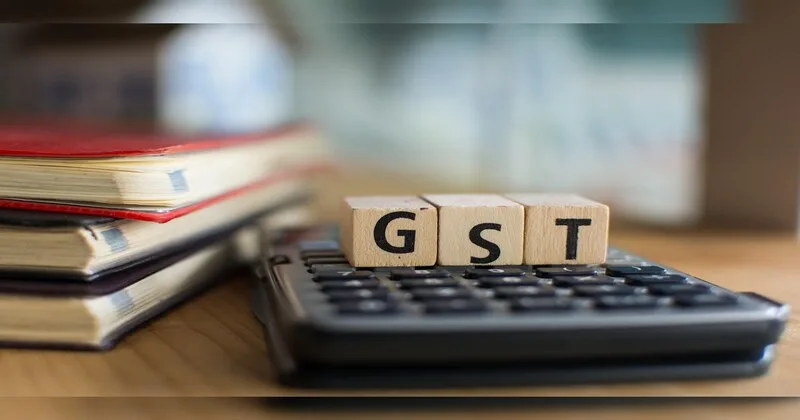
Representative image

Representative image

Facebook
Twitter
WhatsAppTelegramEmail

India’s economic landscape is undergoing a historic transformation with the GST Reforms 2025, a bold and visionary initiative led by the government. By streamlining the Goods and Services Tax (GST) from four slabs (5 per cent, 12 per cent, 18 per cent, and 28 per cent) to a simplified two-slab structure (5 per cent and 18 per cent, with a 40 per cent rate for select ‘sin goods’), these reforms mark a significant step towards transparency, affordability, and ease of doing business. Hailed as a “Deepawali gift” to the nation, this ‘Next-Gen GST’ is poised to bolster India’s economic resilience, curb inflation, and drive inclusive growth, even amidst global challenges like tariff wars.

Since its introduction in 2017, GST has revolutionised India’s taxation system, replacing a convoluted web of central and state taxes with a unified “One Nation, One Tax” framework. This has enabled businesses, particularly Micro, Small, and Medium Enterprises (MSMEs), to expand seamlessly across states, fostering economic integration and job creation. The 2025 reforms take this vision further by reducing tax slabs, simplifying compliance, and minimising disputes. By lowering rates on essentials like farm products, health items, and handicrafts to 5 per cent, and on key sectors like textiles and automobiles to 18 per cent, the reforms reduce costs for consumers and enhance competitiveness for businesses.

The automobile sector, a cornerstone of India’s economy contributing 13.3 per cent to merchandise exports, stands to benefit significantly. The reduction of GST on small cars, electric vehicles (EVs), and two-wheelers from 28 per cent to 18 per cent makes vehicles more affordable, spurring demand and creating jobs in one of India’s largest employment-generating industries. Similarly, the textile sector, which accounts for 5.1 per cent of exports, gains a competitive edge, crucial in the face of global tariff pressures.

Also Read: Flowers, Faith, and Fascism: How Kerala’s left turned Onam into a battleground against Hindus

A standout feature of the reforms is the complete exemption of GST on all life and health insurance policies. This landmark decision makes financial security accessible to millions, particularly the middle and lower-income groups, fostering greater penetration of insurance products. By reducing the cost of essential services, this move aligns with the government’s vision of inclusive growth and complements the transformative impact of the JAM Trinity (Jan Dhan, Aadhaar, Mobile), which has revolutionised financial inclusion in India.

The timing of these reforms is critical, as global trade faces headwinds from tariff wars, notably US tariffs impacting $48.2 billion of India’s exports. According to a Standard Chartered report, the GST reforms are expected to boost India’s GDP by 0.16 per cent and reduce Consumer Price Index (CPI) inflation, enhancing economic stability. By maintaining robust GST collections—rising from Rs 7.19 lakh crore in FY18 to Rs 20.18 lakh crore in FY24 and projected to remain steady at 6.2 per cent of GDP—the reforms ensure fiscal stability without compromising revenue. This fiscal prudence, combined with India’s all-time high foreign exchange reserves of over $700 billion and the initiation of rupee trade with strategic partners like Russia, shields the economy from global currency fluctuations and trade disruptions.

The International Monetary Fund (IMF) projects India’s GDP growth at 6.2 per cent for FY 2025-26, positioning it among Asia’s fastest-growing economies. This growth is underpinned by robust domestic consumption, structural reforms like GST, and a stable macroeconomic environment. Notably, inflation under the NDA’s 11-year rule has remained lower than during the UPA-2 tenure (2009-2014), reflecting disciplined economic management.

The GST framework has been a boon for states, with Rs 3.07 lakh crore devolved in FY24 alone, fueling infrastructure and development projects. The simplified tax structure ensures states continue to benefit from steady revenue streams, enabling them to invest in critical areas like education, healthcare, and connectivity. This equitable distribution of resources strengthens India’s federal structure and supports the vision of Aatmanirbhar Bharat.

The GST reforms are complemented by other macroeconomic strengths. Record-low repo rates have made loans more affordable, enabling Indians to meet their financial needs, from home purchases to business investments. This synergy with the JAM Trinity has democratised access to financial services, empowering millions. Additionally, India’s strategic shift towards rupee trade with partners like Russia mitigates risks from volatile foreign currency markets, reinforcing economic stability.

Under PM Modi’s leadership and FM Sitharaman’s stewardship, GST 2.0 is a strategic masterstroke that strengthens India against global economic challenges while fostering inclusive growth. By curbing inflation, sustaining GST collections, boosting key sectors like automobiles and textiles, and making essential services like insurance affordable, these reforms lay the foundation for a resilient and prosperous India. As the nation navigates global uncertainties, the GST Reforms 2025, coupled with robust macroeconomic policies, position India as a beacon of economic growth and stability.

 

Topics: Economic ResilienceInclusive growthGST reforms 2025Inflation ControlMake In IndiaIndian EconomyTax Reform
Share
Tweet
SendShareSend
✮ Subscribe Organiser YouTube Channel. ✮
✮ Join Organiser's WhatsApp channel for Nationalist views beyond the news. ✮
Previous News

Chhattisgarh: Top Maoist leader Modem Balkrishna among 10 neutralised in Gariaband encounter

Next News

Obesity: Swadeshi homes for swadeshi samaj

Related News

India strengthens Defence supply chain as 405 items linked to fighter jets, tanks, missiles and warships go indigenous

India Boosts Defence Self-Reliance: 405 more items to be indigenised, covering Su-30MKI, T-90 and key weapon systems

Former Reserve Bank of India (RBI) Governor Duvvuri Subbarao

UPA’s Pressure on RBI Exposed: Ex-Governor Subbarao reveals government push for rosier growth & lower inflation

CM Yogi Adityanath announces Outsourcing Commission to Anganwadi Honorarium

Uttar Pradesh | Outsourcing Commission to Anganwadi Honorarium: ₹59,019 crore budget charts an inclusive growth map

A proposed industrial partnership could redefine India's place in the global combat aircraft manufacturing ecosystem

India emerges as Dassault’s second global Rafale production hub under proposed 114 fighter jet programme

India's First Monthly Services Production Index (ISP) Launched

Govt launches India’s first services production index to strengthen economic monitoring

The Union Cabinet has approved the MPMS and Semicon 2.0 schemes to strengthen electronics manufacturing

Modi Government’s Twin Tech Revolution: India eyes Rs 40 lakh crore electronics manufacturing boom

Load More

Latest News

Russian President Vladimir Putin and External Affairs Minister Dr. S. Jaishankar

EAM Jaishankar meets Russian President Putin & briefs bilateral developments; Extends PM Modi’s invite to BRICS Summit

Tamil Nadu Assembly

Tamil Nadu: TVK govt drops Parandur airport project, announces free bus travel and LPG cylinders

From students voice to political instrument?

PM addressing the Nation on the occasion of 80th Independence Day celebrations at Red Fort, in Delhi on August 15, 2026.

80th Independence Day Address of PM Modi: Walking the difficult path confidently

Representative Image

Beyond ‘Gen Z’: Why Bharat must reclaim its younger generation through ‘Samvad’ and ‘Kutumb Prabodhan’

JeM headquarters rebuilt in Bahawalpur, Pakistan

Pakistan: Destroyed in Operation Sindoor, JeM base rebuilt in 15 months; Exposes Islamabad’s eternal terror nexus

Dimagi Naxals: Decoding the cognitive virus

“A result of a gang war”: Former Envoy to Canada Sanjay Verma on Goldy Brar’s purported claim of hand in Nijjar killing

Tamil Nadu: Tirunelveli POCSO court awards death sentence to church pastor Abraham, for sexually assaulting minor girls

AI Generated Image

West Asia: 20,000+ Pakistanis deported; Gulf countries flag illegal entry, drug trafficking & national security threat

Load More
  • Privacy
  • Terms
  • Cookie Policy
  • Refund and Cancellation
  • Delivery and Shipping

© Bharat Prakashan (Delhi) Limited.
Tech-enabled by Ananthapuri Technologies

  • Home
  • Search Organiser
  • Bharat
    • Assam
    • Bihar
    • Chhattisgarh
    • Jharkhand
    • Maharashtra
    • View All States
  • World
    • Asia
    • Africa
    • North America
    • South America
    • Europe
    • Australia
  • Editorial
  • Operation Sindoor
  • Opinion
  • Analysis
  • Defence
  • Culture
  • Sports
  • Business
  • RSS @ 100
  • Entertainment
  • More ..
    • Sci & Tech
    • Vocal4Local
    • Special Report
    • Education
    • Employment
    • Books
    • Interviews
    • Travel
    • Health
    • Politics
    • Law
    • Economy
    • Obituary
  • Subscribe Magazine
  • Read Ecopy
  • Advertise
  • Circulation
  • Careers
  • About Us
  • Contact Us
  • Policies & Terms
    • Privacy Policy
    • Cookie Policy
    • Refund and Cancellation
    • Terms of Use

© Bharat Prakashan (Delhi) Limited.
Tech-enabled by Ananthapuri Technologies