GST Reforms: Powering India’s economic future
June 5, 2026
  • Read Ecopy
  • Circulation
  • Advertise
  • Careers
  • About Us
  • Contact Us
Android AppiPhone AppArattai
Organiser
  • ‌
  • Bharat
    • Assam
    • Bihar
    • Chhattisgarh
    • Jharkhand
    • Maharashtra
    • View All States
  • World
    • Asia
    • Europe
    • North America
    • South America
    • Africa
    • Australia
  • Editorial
  • International
  • Opinion
  • RSS @ 100
  • More
    • Op Sindoor
    • Analysis
    • Sports
    • Defence
    • Politics
    • Business
    • Economy
    • Culture
    • Special Report
    • Sci & Tech
    • Entertainment
    • G20
    • Azadi Ka Amrit Mahotsav
    • Vocal4Local
    • Web Stories
    • Education
    • Employment
    • Books
    • Interviews
    • Travel
    • Law
    • Health
    • Obituary
  • Subscribe
    • Subscribe Print Edition
    • Subscribe Ecopy
    • Read Ecopy
  • ‌
  • Bharat
    • Assam
    • Bihar
    • Chhattisgarh
    • Jharkhand
    • Maharashtra
    • View All States
  • World
    • Asia
    • Europe
    • North America
    • South America
    • Africa
    • Australia
  • Editorial
  • International
  • Opinion
  • RSS @ 100
  • More
    • Op Sindoor
    • Analysis
    • Sports
    • Defence
    • Politics
    • Business
    • Economy
    • Culture
    • Special Report
    • Sci & Tech
    • Entertainment
    • G20
    • Azadi Ka Amrit Mahotsav
    • Vocal4Local
    • Web Stories
    • Education
    • Employment
    • Books
    • Interviews
    • Travel
    • Law
    • Health
    • Obituary
  • Subscribe
    • Subscribe Print Edition
    • Subscribe Ecopy
    • Read Ecopy
Organiser
  • Home
  • Bharat
  • World
  • Operation Sindoor
  • Editorial
  • Analysis
  • Opinion
  • Culture
  • Defence
  • International Edition
  • RSS @ 100
  • Magazine
  • Read Ecopy
Home Bharat

GST Reforms 2025: A transformative leap toward economic resilience and growth in India

India is witnessing a landmark shift with GST Reforms 2025, streamlining its tax structure for greater transparency and growth. This transformative move aims to boost economic resilience, curb inflation, and empower inclusive development

Udit Mohan PathakUdit Mohan Pathak
Sep 11, 2025, 08:00 pm IST
in Bharat, Opinion, Economy
Follow on Google News
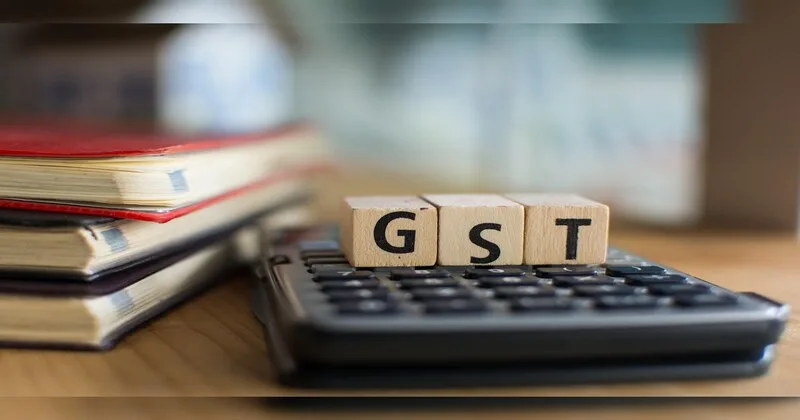
Representative image

Representative image

FacebookTwitterWhatsAppTelegramEmail

India’s economic landscape is undergoing a historic transformation with the GST Reforms 2025, a bold and visionary initiative led by the government. By streamlining the Goods and Services Tax (GST) from four slabs (5 per cent, 12 per cent, 18 per cent, and 28 per cent) to a simplified two-slab structure (5 per cent and 18 per cent, with a 40 per cent rate for select ‘sin goods’), these reforms mark a significant step towards transparency, affordability, and ease of doing business. Hailed as a “Deepawali gift” to the nation, this ‘Next-Gen GST’ is poised to bolster India’s economic resilience, curb inflation, and drive inclusive growth, even amidst global challenges like tariff wars.

Since its introduction in 2017, GST has revolutionised India’s taxation system, replacing a convoluted web of central and state taxes with a unified “One Nation, One Tax” framework. This has enabled businesses, particularly Micro, Small, and Medium Enterprises (MSMEs), to expand seamlessly across states, fostering economic integration and job creation. The 2025 reforms take this vision further by reducing tax slabs, simplifying compliance, and minimising disputes. By lowering rates on essentials like farm products, health items, and handicrafts to 5 per cent, and on key sectors like textiles and automobiles to 18 per cent, the reforms reduce costs for consumers and enhance competitiveness for businesses.

The automobile sector, a cornerstone of India’s economy contributing 13.3 per cent to merchandise exports, stands to benefit significantly. The reduction of GST on small cars, electric vehicles (EVs), and two-wheelers from 28 per cent to 18 per cent makes vehicles more affordable, spurring demand and creating jobs in one of India’s largest employment-generating industries. Similarly, the textile sector, which accounts for 5.1 per cent of exports, gains a competitive edge, crucial in the face of global tariff pressures.

Also Read: Flowers, Faith, and Fascism: How Kerala’s left turned Onam into a battleground against Hindus

A standout feature of the reforms is the complete exemption of GST on all life and health insurance policies. This landmark decision makes financial security accessible to millions, particularly the middle and lower-income groups, fostering greater penetration of insurance products. By reducing the cost of essential services, this move aligns with the government’s vision of inclusive growth and complements the transformative impact of the JAM Trinity (Jan Dhan, Aadhaar, Mobile), which has revolutionised financial inclusion in India.

The timing of these reforms is critical, as global trade faces headwinds from tariff wars, notably US tariffs impacting $48.2 billion of India’s exports. According to a Standard Chartered report, the GST reforms are expected to boost India’s GDP by 0.16 per cent and reduce Consumer Price Index (CPI) inflation, enhancing economic stability. By maintaining robust GST collections—rising from Rs 7.19 lakh crore in FY18 to Rs 20.18 lakh crore in FY24 and projected to remain steady at 6.2 per cent of GDP—the reforms ensure fiscal stability without compromising revenue. This fiscal prudence, combined with India’s all-time high foreign exchange reserves of over $700 billion and the initiation of rupee trade with strategic partners like Russia, shields the economy from global currency fluctuations and trade disruptions.

The International Monetary Fund (IMF) projects India’s GDP growth at 6.2 per cent for FY 2025-26, positioning it among Asia’s fastest-growing economies. This growth is underpinned by robust domestic consumption, structural reforms like GST, and a stable macroeconomic environment. Notably, inflation under the NDA’s 11-year rule has remained lower than during the UPA-2 tenure (2009-2014), reflecting disciplined economic management.

The GST framework has been a boon for states, with Rs 3.07 lakh crore devolved in FY24 alone, fueling infrastructure and development projects. The simplified tax structure ensures states continue to benefit from steady revenue streams, enabling them to invest in critical areas like education, healthcare, and connectivity. This equitable distribution of resources strengthens India’s federal structure and supports the vision of Aatmanirbhar Bharat.

The GST reforms are complemented by other macroeconomic strengths. Record-low repo rates have made loans more affordable, enabling Indians to meet their financial needs, from home purchases to business investments. This synergy with the JAM Trinity has democratised access to financial services, empowering millions. Additionally, India’s strategic shift towards rupee trade with partners like Russia mitigates risks from volatile foreign currency markets, reinforcing economic stability.

Under PM Modi’s leadership and FM Sitharaman’s stewardship, GST 2.0 is a strategic masterstroke that strengthens India against global economic challenges while fostering inclusive growth. By curbing inflation, sustaining GST collections, boosting key sectors like automobiles and textiles, and making essential services like insurance affordable, these reforms lay the foundation for a resilient and prosperous India. As the nation navigates global uncertainties, the GST Reforms 2025, coupled with robust macroeconomic policies, position India as a beacon of economic growth and stability.

 

Topics: Make In IndiaIndian EconomyTax ReformEconomic ResilienceInclusive growthGST reforms 2025Inflation Control
ShareTweetSendShareSend
✮ Subscribe Organiser YouTube Channel. ✮
✮ Join Organiser's WhatsApp channel for Nationalist views beyond the news. ✮
Previous News

Chhattisgarh: Top Maoist leader Modem Balkrishna among 10 neutralised in Gariaband encounter

Next News

Obesity: Swadeshi homes for swadeshi samaj

Related News

Bihar-made combat boots are powering international defence supply chains, including Russia, and redefining “Made in India”

From Combat Boots to BrahMos missile: How Bihar’s Hajipur factory entered Russia’s military supply chain

Swa-based economy inspired by Savarkar and promoted through RSS-linked Aatmanirbhar Bharat focuses on strengthening India’s self-reliance and overall resilience

Swa-based economy: The legacy of Veer Savarkar perpetuated by the RSS

Prime Minister Narendra Modi with Foreign Ministers and Heads of Delegation of BRICS member countries during the BRICS Foreign Ministers’ Meeting in New Delhi

BRICS India 2026: PM Modi drives global South push to protect world economy from geopolitical turmoil

Prime Minister Narendra Modi

PM Modi’s Clarion Call: Strategic restraint today for a stronger India tomorrow

Prime Minister Narendra Modi and US President Donald Trump

From Domestic Growth to Global Dominance: India’s $20.5B investment push strengthens US economic ties

Moody’s Report Places India in ‘Best Position’ Among Emerging Markets (This is an AI generated image)

Moody’s report backs India as strongest emerging economy amid global turbulence

Load More

Latest News

RSS Sarsanghchalak Dr Mohan Bhagwat

The time of Bharat has arrived; we need to expedite our preparation: Dr Bhagwat at RSS Karyakarta Vikas Varg 2

Padma Bhushan awardee and noted industrialist Kumar Mangalam Birla Kumar Mangalam Birla addressing the Samapana Samaroh (Valedictory Function) of the Rashtriya Swayamsevak Sangh Karyakarta Vikas Varg – Dwitiya at Nagpur, on June 4, 2026

“RSS always stood by the society and nation”, Kumar Mangalam Birla at RSS Karyakarta Vikas Varg 2 in Nagpur

Arunachal Pradesh seals all 15 illegal Mosques; Bandh called off by APIYO

MK Stalin with Sonai Gandhi; MK Stalin with Rahul Gandhi (File Photos) (Left to Right)

Tamil Nadu: DMK says no to INDIA Alliance meet in Delhi, blames Congress for political backstabbing

Union Finance Minister Nirmala Sitharaman

Karnataka: All-Women team powers Yadgir’s groundnut revolution; Nirmala Sitharaman inaugurates NABARD Unit

Keralam: Jamaat-e-Islami event features Hamas and Muslim Brotherhood ideologues, raises concerns over Political Islam

Representative Image (This is an AI Generated image)

Uttar Pradesh CM Abhyudaya Scheme: Apply for free civil services, JEE and NEET coaching from June 5

House worth Rs 2 crore of drug peddler bulldozed in J&K

Anti-narcotics campaign in J&K: Police demolish Rs 2 crore residential property linked to drug peddler Sheikh Tasaduq

As fuel shortages rippled across Asia, New Delhi expanded supplies to its neighbours while Beijing sought to turn energy security into strategic influence.

The Hormuz Test: How India’s energy assistance outshines China’s conditional approach

Demographic changes in Bharat’s border districts have raised concerns about migration, security, and social cohesion

Demographic Shift in Border Areas of Bharat: The dangerous design

Load More
  • Privacy
  • Terms
  • Cookie Policy
  • Refund and Cancellation
  • Delivery and Shipping

© Bharat Prakashan (Delhi) Limited.
Tech-enabled by Ananthapuri Technologies

  • Home
  • Search Organiser
  • Bharat
    • Assam
    • Bihar
    • Chhattisgarh
    • Jharkhand
    • Maharashtra
    • View All States
  • World
    • Asia
    • Africa
    • North America
    • South America
    • Europe
    • Australia
  • Editorial
  • Operation Sindoor
  • Opinion
  • Analysis
  • Defence
  • Culture
  • Sports
  • Business
  • RSS @ 100
  • Entertainment
  • More ..
    • Sci & Tech
    • Vocal4Local
    • Special Report
    • Education
    • Employment
    • Books
    • Interviews
    • Travel
    • Health
    • Politics
    • Law
    • Economy
    • Obituary
  • Subscribe Magazine
  • Read Ecopy
  • Advertise
  • Circulation
  • Careers
  • About Us
  • Contact Us
  • Policies & Terms
    • Privacy Policy
    • Cookie Policy
    • Refund and Cancellation
    • Terms of Use

© Bharat Prakashan (Delhi) Limited.
Tech-enabled by Ananthapuri Technologies