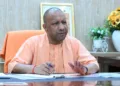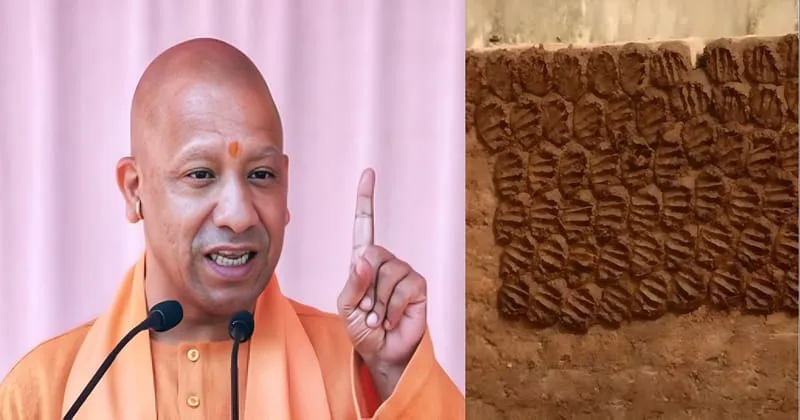
Uttar Pradesh Chief Minister Yogi Adityanath has suggested that government buildings in the state should be painted using natural paint made from cow dung. This type of paint is environment-friendly, cost-effective, and helps promote rural livelihoods and cow-based industries. It is also said to be safe for the environment and healthier than chemical-based paints. Along with this, the Chief Minister has directed the Animal Husbandry and Dairy Development Department to adopt modern technology and innovative ideas to make the dairy sector more robust and efficient. This includes better ways of caring for cows, improving milk production, and helping dairy farmers earn more. In short, the Chief Minister wants to mix traditional practices like using cow dung with modern technology to help the environment, support farmers, and improve the dairy industry in Uttar Pradesh.
Chairing a high-level review meeting, CM Adityanath stressed the twin goals of environmental sustainability and rural self-reliance. He told government officers to work seriously on making cow shelters independent and self-supporting. These are places where stray or abandoned cows are kept and cared for and become self-sustaining through the promotion of cow-based products such as dung paint, organic manure natural fertiliser), and cow urine derivatives.
Uttar Pradesh Chief Minister Yogi Adityanath has suggested a new idea to promote cow welfare and boost the economy connected to cows. He said that the government should organise competitions in different parts of the state (called divisions) to show the best local (indigenous) cow breeds. These events would give farmers and cow shelters a chance to proudly display the healthy and unique cows they raise. Shelters that take good care of cows would also be honoured and recognised for their efforts.
In addition to this, the Chief Minister wants to encourage people and organisations who make useful products from cows such as dung, urine, or milk to be more creative and innovative. So, he proposed similar competitions for them too. These events would reward those who come up with new and excellent ideas or products made from cows. By doing this, the goal is to make the cow-based sector more active, useful, and financially beneficial, especially for rural communities.
During the review, officials informed the CM that nearly 41,000 hectares of pasture land had been reclaimed from encroachment, out of which over 12,000 hectares are now being used for cultivating green fodder. This has simultaneously generated employment in rural areas, with women-led self-help groups playing a key role. Notably, 21,884 trained gausevaks have been deployed across the UP state to manage and support cow welfare efforts.
In Bareilly, organic manure and cow urine processing plants are being set up at major cow conservation centres in partnership with Indian Farmers Fertiliser Cooperative Limited (IFFCO), further adding value to cow by-products and creating livelihood opportunities.
At present, 7,693 cow shelters in Uttar Pradesh house over 11.49 lakh cows. These shelters are under continuous CCTV surveillance and are subject to regular inspections. CM Yogi instructed that caretaker deployment, timely remuneration, supply of water, green fodder, husk banks, and bran must be ensured at all facilities. He also called for consistent veterinary visits to maintain the health and productivity of sheltered animals.
As part of the Mukhyamantri Nirashrit Govansh Sahyogita Yojana, CM Adityanath directed officials to distribute cows to economically weaker families with no livestock. This measure aims to promote cow service (gau seva) and improve nutritional intake in rural households through regular milk consumption.
Highlighting significant growth in the state’s dairy sector, officials reported that daily milk procurement touched 3.97 lakh litres in 2024-25, a 10% rise from the previous year. The number of milk producers increased by 8%, with 24,031 farmers trained to improve productivity and efficiency. The dairy sector’s financial turnover reached Rs 1,120.44 crore, reflecting a 16% year-on-year growth.
Looking ahead, the government aims to strengthen the dairy sector in 2025-26 by setting a target to form 4,922 new cooperative milk societies and provide training to more than 21,000 existing ones, with a focus on increasing local involvement and improving milk production.
By promoting the use of natural resources like cow dung paint and investing in cow-based innovations, the UP government is seeking to align traditional practices with modern technology. Chief Minister Yogi Adityanath’s vision focuses on the fact that cow welfare is not just as a part of cultural tradition, but also as a valuable economic opportunity that can support rural development, protect the environment, and improve nutrition across the state.