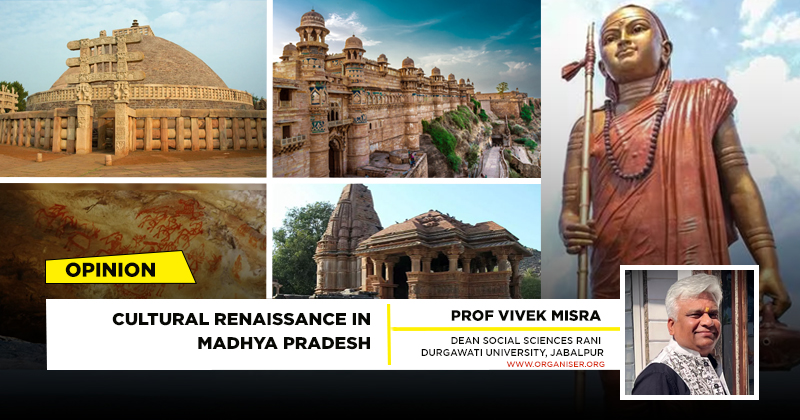
The awe-inspiring statue, depicting a youthful Adi Shankara at the age of 12, is aptly named the “Statue of Oneness.” It serves as a powerful symbol of Adiguru’s tireless efforts to unite the diverse corners of our nation, ready to spread the message of peace and unity far beyond our borders and across continents. Comprising an impressive 100 tons of copper, zinc, and tin, this magnificent structure graces the banks of the sacred Narmada River in Madhya Pradesh.
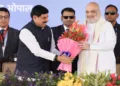
The unveiling ceremony witnessed Chief Minister Shivraj Singh Chauhan deliver a profound message: “Bharat exists because Adiguru Shankaracharya existed; if he had not been born, Bharat would not have flourished culturally.” He delved into the annals of ancient history, recalling, “Bhagwan Sri Ram united Bharat from North to South; Lord Sri Krishna from East to West, but Adiguru united Bharat from all directions.” The occasion also marked the foundation stone-laying ceremony for “Advait Lok,” a museum that will intricately depict the life and journey of Adiguru, providing visitors with a profound insight into his legacy.
Similarly, in 2022, our nation witnessed another cultural milestone as Prime Minister Narendra Modi inaugurated Phase 1 of “Mahakal Lok” in the sacred city of Ujjain. Mahakal, a divine facet of Lord Shiva symbolising Time and Death, stands as one of the 12 Jyotirlinga sites in India. The Ujjain Mahakal temple, nestled on the banks of the sacred Shipra River, has held an unparalleled significance in Hindu pilgrimage for centuries. Regrettably, it endured devastation during the 13th century at the hands of Muslim invaders. Nevertheless, the annals of history reveal the resilient spirit of the Hindu community, with successive Hindu kings in the region making valiant efforts to resurrect and restore the sanctity of the temple. However, it is the present leadership, both at the central and state levels, that has orchestrated the full revival of its glory and grandeur.
The impact of such restorations is profound, as exemplified by the remarkable surge in the daily footfall at the temple in Ujjain, which has crossed the threshold of one lakh visitors on ordinary weekends. Prior to the initiation of the restoration project in 2022, the temple welcomed approximately 1.5 crore visitors annually. These numbers are now poised to multiply exponentially in the coming years, ushering in transformative developments in terms of revenue, economic growth, hospitality, and the revival of religious and cultural traditions of ancient Bharat. The endeavours of the Mahakal temple corridor project mark a significant stride towards the restoration of Hindu pride.
The narratives of such cultural revivals, in conjunction with the resounding endorsement by the Chief Minister of Madhya Pradesh, underscore the deep and ancient cultural heritage of our nation.
Renovation and Restoration of Indian Temples
Recent years have witnessed the renovation and restoration of temples in our country. The Bhartiya Janta Party (BJP) has been at the forefront of these efforts, which clearly reflects the party’s commitment to Hindutva and its response to perceived persistent neglect of Hindu cultural heritage. Some specific examples of temple renovations undertaken by BJP are: Kashi Vishwanath Corridor, Ayodhya Ram Mandir, Somnath Temple, Dwarkadhish Temple, Badrinath Temple, and the recent one being the Omkareshwar Temple in Madhya Pradesh.
Within the expansive embrace of our ancient culture, temples occupied a central and pivotal role. These sacred edifices were not mere architectural marvels; they enriched every facet of our lives, whether religious, economic, commercial, educational, social, or artistic and cultural. Temples, in essence, constituted the heart and soul of our communities, with their presence permeating every aspect of our existence. They were revered as monuments of honour and pride, embodying the collective ethos and spiritual aspirations of the people.
Given the immense power vested in our temples, they did not escape the covetous gaze of successive invaders and desecrators, especially those of Islamic descent. Vandalism and desecration became a harrowing norm, a relentless assault on the Hindu psyche and centres of power. These acts of destruction were not confined to the physical realm but also sought to unravel the intricate fabric of our values and time-honoured traditions. Simultaneously, there were attempts to assert religious and political dominance while undermining the physical might and cultural superiority of the invaders. Such defamations were always a major concern of the BJP. BJP had its roots in the Bhartiya Swayamsevak Sangh and a commitment to Hindutva, thus, it started highlighting the historical, cultural and political relevance of our such rich heritage and embarked upon the regeneration of our cultural- nationalism.
The motivations behind the BJP’s involvement in temple renovation are multi-faceted. Firstly, it aligns with the party’s commitment to Hindutva, a Hindu nationalist ideology that promotes and protects Hindu identity and culture. Renovating temples is a way to assert Hindu pride and heritage and re-establish the cultural nationalism of Bharat. Secondly, temple renovation initiatives are a form of political mobilisation. By associating themselves with such projects, the BJP has consolidated its support base among Hindu voters, a significant demographic in India. These initiatives have also served as a means to counter the perception of the party being solely focused on economic reforms.
Cultural March in Madhya Pradesh
In the realm of Indian politics, the Bhartiya Janata Party (BJP) has emerged as a dominant force. With its rise to power at both the state and national levels, the BJP has not only played a pivotal role in shaping the country’s political landscape but has also actively engaged in cultural and heritage revival efforts in the state of Madhya Pradesh.
Madhya Pradesh, often referred to as the “Heart of India,” boasts a rich and diverse cultural heritage. Home to a myriad of historical sites, traditional art forms, and ancient traditions, the state serves as a treasure trove of cultural wealth. Over the years, various political parties have attempted to preserve and promote this heritage. However, it is under BJP’s leadership that we have witnessed significant strides in this regard.
Madhya Pradesh is replete with a treasure trove of historical sites that bear witness to India’s rich and diverse past. Some prominent historical sites in the state include: Khajuraho Group of Monuments – Renowned for their exquisite erotic sculptures, these temples are a UNESCO World Heritage Site, reflecting the architectural brilliance of the Chandela dynasty; Sanchi Stupa – An iconic Buddhist monument, the Great Stupa at Sanchi is one of the oldest stone structures in India, dating back to the 3rd century BCE; Gwalior Fort – A majestic hilltop fortress showcasing a blend of Hindu and Mughal architecture, it is famous for the Man Singh Palace and the stunning Sas Bahu temples; Mandu – Known for its romantic palaces, pavilions, and magnificent Afghan architectural marvels, Mandu is often referred to as the “City of Joy”; Bhimbetka Caves – Recognised as a UNESCO World Heritage Site, these caves house prehistoric rock paintings dating back to the Palaeolithic era.
These historical sites not only serve as architectural wonders but also offer glimpses into the rich tapestry of India’s history and culture. The state government has recognized the potential of these sites to boost tourism and generate revenue for the state. Moreover, the government has undertaken the task of renovating and preserving historical sites like Khajuraho, Sanchi, and Mandu. The Khajuraho Dance Festival, held annually, showcases classical dance forms against the backdrop of the iconic Khajuraho temples. These events not only preserve cultural traditions but also promote tourism and generate revenue for the state. These efforts not only attract tourists but also serve as a testament to the state’s commitment to preserving its rich cultural history.
Initiatives such as: MP Mukhyamantri Teerth Darshan Yojana; Ram Van Gaman Path Teerth Darshan Yojana; Ujjain Teerth Darshan; Bundelkhand Teerth Darshan Yojana; have been introduced to facilitate pilgrimages to important religious destinations. Madhya Pradesh Teerth Darshan is a government-sponsored pilgrimage program that offers affordable travel packages to important religious and cultural destinations within the state and across India. This initiative aims to enable people, especially senior citizens, to undertake spiritual journeys to significant temples, shrines, and historical sites. It provides an opportunity for devotees to connect with their faith, explore cultural heritage, and experience the divine. The program offers subsidised travel, accommodation, and meals, making it accessible to a wide range of pilgrims. Madhya Pradesh Teerth Darshan reflects the state government’s commitment to preserving and promoting religious and cultural traditions while supporting pilgrimage tourism.
Simultaneously, traditional art and craft forms of Madhya Pradesh have a unique charm and have been an integral part of its cultural heritage. Some notable traditional art and craft forms of Madhya Pradesh include: Gond Art – The Gond tribal community is renowned for its distinctive style of painting known as Gond art. These intricate and colourful paintings often depict stories from tribal folklore and nature; Bagh Print – Bagh print is a traditional block-printing technique originating from the Bagh region of Madhya Pradesh. It features intricate geometric patterns and motifs, and the process uses natural dyes to create vivid designs on textiles; Chanderi Weaving – Chanderi, a town in Madhya Pradesh, is famous for its exquisite handwoven sarees. Chanderi weaving is characterised by its sheer texture and the use of zari (metallic thread) work; Maheshwari Handloom – Maheshwari sarees and fabrics are known for their unique combinations of silk and cotton, adorned with distinctive patterns and motifs. The town of Maheshwar is a hub for this traditional handloom craft; Bamboo and Cane Craft – Tribal communities in Madhya Pradesh excel in crafting intricate bamboo and cane products, including baskets, furniture, and decorative items. These crafts are both functional and aesthetically pleasing. Tribal Jewellery – The state is home to numerous tribal communities, each with its own distinctive jewellery-making traditions. These jewellery pieces often feature intricate beadwork, silver, and other locally sourced materials. Dhokra Art – Dhokra is a traditional metal casting technique used to create intricate figurines, jewellery, and home decor items. It is known for its rustic and antique appearance; Stone Carving – Several regions in Madhya Pradesh are known for their stone carving traditions. Skilled artisans sculpt intricate designs and motifs on stones, often used in the construction of temples and monuments.
The government has taken steps to revive and promote these art forms, recognising their economic and cultural significance. Art and craft clusters have been established, providing artisans with the necessary infrastructure and support to create and sell their products. Initiatives like the “Lok Shilp Bazaar” have been instrumental in promoting the state’s handicrafts. The government has also organised events and exhibitions to showcase these traditional art forms on both national and international platforms.
Madhya Pradesh has its indigenous tribes, each with its own distinct culture and traditions. The “Adivasi Lok Utsav” is an annual festival that showcases the rich and diverse heritage of these communities. Government schemes have been implemented to provide better healthcare, education, and employment opportunities to tribal communities, ensuring the preservation of their unique cultural practices and traditions. The BJP government has worked to preserve and promote the cultural identity of these tribal communities. Special cultural festivals, such as the “Adivasi Lok Utsav,” have been organised to showcase the rich and diverse heritage of these communities.
Additionally, the government has implemented schemes to provide better healthcare, education, and employment opportunities to tribal communities, thereby ensuring the preservation of their unique cultural practices and traditions. Some of the major tribes in Madhya Pradesh include Gond – The Gond tribe is one of the largest and most prominent tribal communities in Madhya Pradesh. They are known for their rich folklore, Gond art, and unique traditions; Bhil: The Bhil tribe is another significant tribal group in the state, primarily residing in the western and southern regions of Madhya Pradesh. They have a distinct language and a rich cultural heritage; Baiga – The Baiga tribe primarily inhabits the eastern parts of Madhya Pradesh, particularly in the districts of Mandla and Dindori. They are known for their traditional agricultural practices and belief systems; Korku – The Korku tribe is found mainly in the southern parts of Madhya Pradesh. They have their language and a unique way of life, including traditional farming methods; Saharia – Saharia tribespeople reside in the Chambal region of Madhya Pradesh. They are known for their hunting and gathering practices, although efforts have been made for their socio-economic development; Kol – The Kol tribe is found in various regions of Madhya Pradesh. They have their language and are known for their traditional agricultural practices and folk music; Barela – The Barela tribe primarily resides in the districts of Shahdol and Umaria. They have their language and have been engaged in traditional occupations like agriculture and forest-based livelihoods.
These tribal communities contribute to the rich cultural mosaic of Madhya Pradesh and are an integral part of the state’s social fabric. notable schemes include financial assistance for housing, healthcare facilities, educational support through scholarships, vocational training, and the establishment of “Van Dhan Vikas Kendras” to promote forest-based livelihoods. Additionally, programs like the “Adivasi Lok Utsav” showcase tribal culture and provide a platform for traditional artisans. These initiatives reflect the state government’s commitment to ensuring the overall well-being and empowerment of tribal populations in Madhya Pradesh.
Cultural education is crucial for the preservation and propagation of cultural heritage. The BJP government in Madhya Pradesh has placed a strong emphasis on integrating cultural education into the curriculum. Efforts have been made to introduce cultural heritage as a subject in schools and colleges, ensuring that students are aware of their state’s rich history and traditions.
Furthermore, cultural centres and museums have been established to provide a platform for learning and research on Madhya Pradesh’s cultural heritage. These institutions not only serve as repositories of knowledge but also as venues for cultural events and exhibitions.
The impact of the BJP’s cultural nationalism on the politics of Madhya Pradesh is palpable and multifaceted. Recent examples and references demonstrate how the party’s emphasis on cultural heritage, religious traditions, and symbolism has shaped the state’s political landscape, governance, and policy decisions. Some of the important museums are: Bharat Bhawan (Bhopal); Indira Gandhi Rashtriya Manav Sangrahalaya (Bhopal); Saradar Vallabhbhai Patel Museum; Madhya Pradesh Tribal Musuem (Bhopal); State Museum (Bhopal); Lok Sanskriti Sangrahalaya (Khajuraho); and Chatrapati Shivaji Museum (Shivpuri). These museums and cultural centres reflect the BJP government’s commitment to preserving and promoting the cultural heritage of Madhya Pradesh. They serve as platforms for cultural exchange, education, and research, contributing to the state’s identity and fostering an appreciation for its rich history and traditions.
While cultural nationalism has contributed to the BJP’s electoral success and the preservation of cultural heritage as well. As the BJP continues to exert its influence in Madhya Pradesh and across India, the dynamics of cultural nationalism remain a central aspect of political discourse and governance in the state. The BJP’s cultural nationalism has had a profound electoral impact in Madhya Pradesh, shaping the state’s political landscape in several ways.