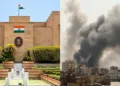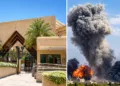




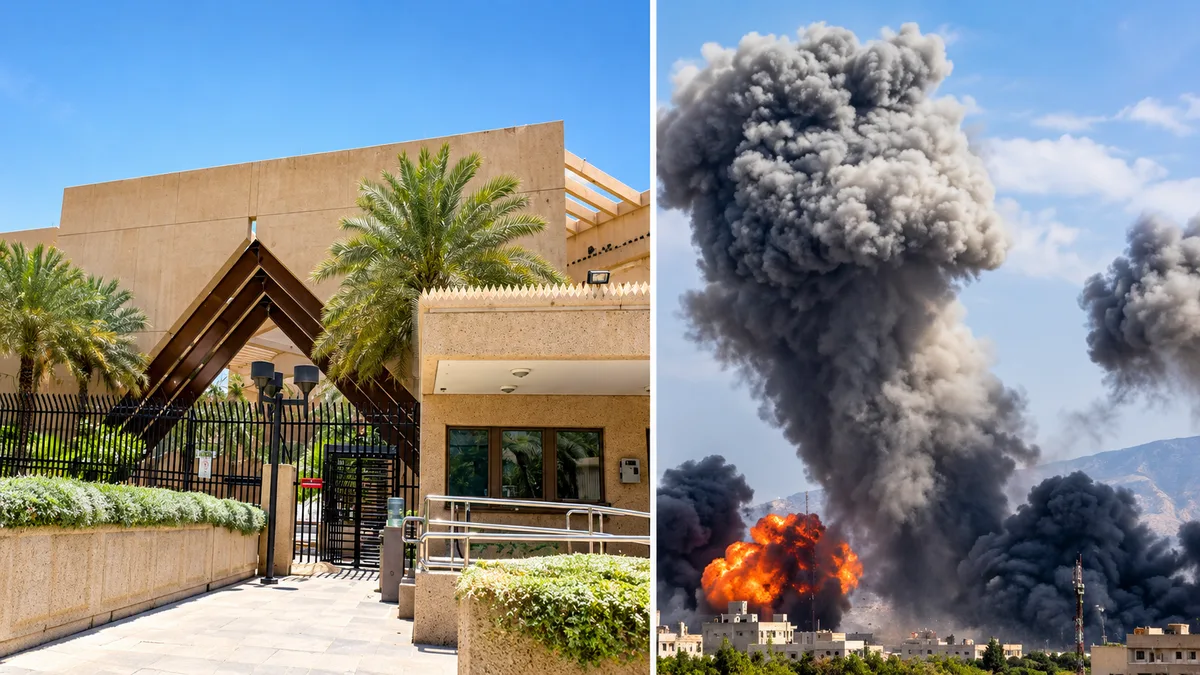
RIYADH: Amid escalating West Asia conflict, the United States has ordered its non-emergency embassy personnel and their families to leave Saudi Arabia as Houthi militia intensify drone and missile attacks on the gulf country. The US decree to the Embassy staff came after debris from an intercepted drone near the strategic Shaybah oilfield killed two foreign nationals and injured few others, including an Indian national.
The fresh strikes and soaring Houthi attack on Riyadh, signals new facet of the spiking West Asia conflict with no sign of de-escalation which is inflicting regional & global repercussions. It has also raised fresh concerns over civilian safety and critical energy infrastructure amid hitherto global oil shocks and energy conundrum, triggered by the Iran-US/Israel confrontation.
🚨 JUST IN: US is pulling ALL embassy staff and families out of Saudi Arabia.
Families of diplomats in the UAE, Jordan, Qatar & Bahrain have been ordered to leave too.
When Washington evacuates, the world pays attention. pic.twitter.com/vzfYjOTDam
— News Matrix (@NewsMatrixIND) October 21, 2026
US Orders embassy staff to leave as Houthi attacks intensify
The US State Department on October 21, Wednesday, confirmed that the non-emergency government employees and their family members had been ordered to depart Saudi Arabia amid deteriorating security conditions. The decision follows a series of attacks attributed to Houthi rebels, which have increasingly targeted civilian infrastructure, airports and energy facilities across Saudi Arabia.
State Department spokesperson Tommy Pigott announced the order in a post on X, citing the growing threat posed by the Houthis. He said that the group had intensified hostilities against Saudi Arabia, including attacks on civilian airports and other critical infrastructure, resulting in civilian casualties and severe travel disruptions.
“The safety and security of Department personnel and their families remain our highest priority”, Pigott stated, underscoring Washington’s concerns about the risks facing its diplomatic personnel amid the escalating hostilities. A diplomatic source also indicated that the families of embassy personnel had been ordered to leave the United Arab Emirates (UAE), Jordan, Qatar and Bahrain, countries that have faced Iranian attacks during the conflict.
However, the State Department’s subsequent clarification specified that the formal departure order applied only to non-emergency US government employees and their families in Saudi Arabia. The evacuation order comes amid a sustained wave of Houthi attacks, including strikes targeting Riyadh’s King Khalid International Airport and other critical infrastructure. The attacks have heightened security concerns and disrupted civilian movement.
Washington had previously ordered non-essential personnel to leave parts of the Gulf ahead of the wider war involving Iran and again in July, before US President Donald Trump called off a planned new wave of strikes. The latest decision reflects renewed concerns that the regional conflict could intensify further.
Deadly drone debris hit Shaybah Oilfield amid deteriorating Gulf security
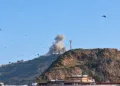
The US decision came on the same day, when Saudi Arabia reported casualties after its air defences intercepted a drone targeting a processing facility at the Shaybah oilfield in the kingdom’s Eastern Province. According to Saudi authorities, debris from the intercepted drone fell onto a contractor’s vehicle outside the facility’s perimeter, triggering a fire. The incident killed two foreign nationals—a Filipino and a Nepali—and injured two others, including an Indian national.
However, the authorities said that the incident did not affect operations at the oilfield, while emergency teams responded to the fire and took the necessary measures. Located in southeastern Saudi Arabia, close to the UAE border, Shaybah is a strategically important oil-producing site.
The Saudi-led coalition operating in Yemen also reported intercepting six drones earlier on Wednesday, highlighting the scale of the continuing aerial threat. The latest incidents follow the collapse of a four-year truce in Yemen’s civil war in June, reviving a conflict that began in 2014. The Saudi-led coalition has supported Yemen’s government since 2015, against the aspirations of the Houthis.