



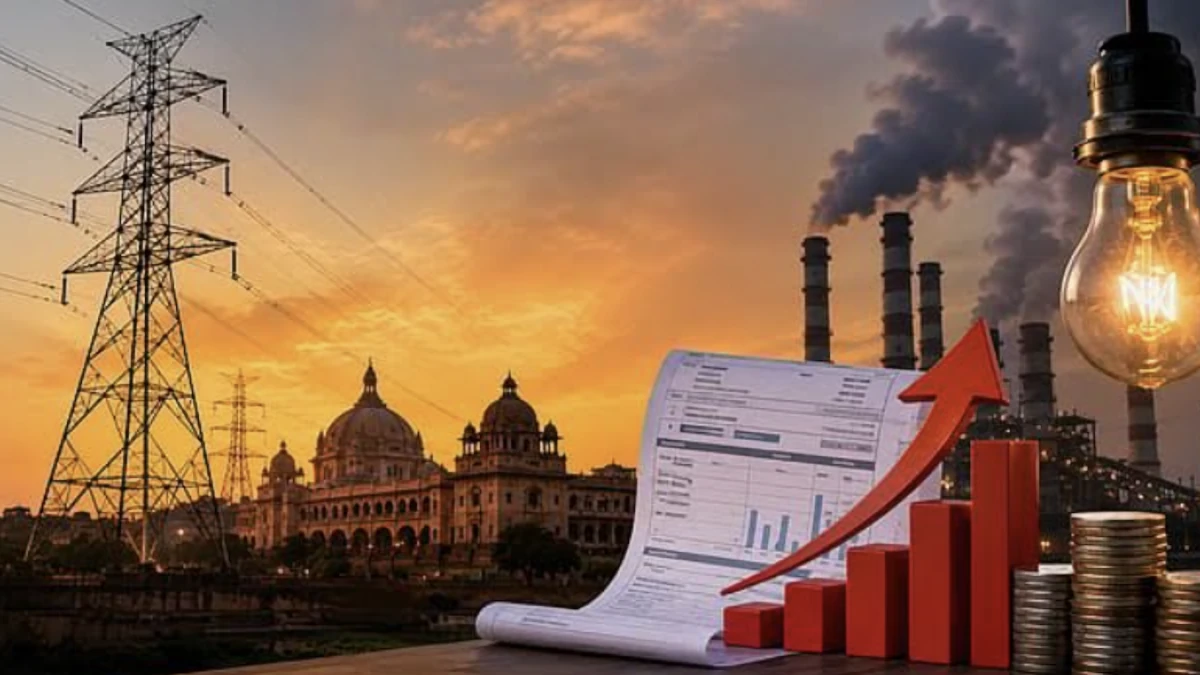
BENGALURU: Electricity consumers in Karnataka may face higher power bills in the October-November billing cycle, with tariffs expected to rise by 40 to 50 paise per unit to recover the state government’s additional expenditure on purchasing electricity from the open market during September.
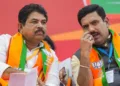
The proposed increase comes amid criticism from the Opposition BJP, which has accused the Congress government of poor planning and mismanagement of the state’s electricity requirements. Leader of Opposition R Ashoka has described the expected hike as a festive-season burden on consumers and demanded that the government withdraw the proposed adjustment.
According to energy department officials, the additional cost will be passed on to consumers through the Fuel and Power Purchase Cost Adjustment (FPPCA) mechanism in their electricity bills. Consumers who are not covered by the Gruha Jyothi free electricity scheme will have to bear the additional expenditure directly from their pockets.
Karnataka saw a sharp rise in electricity demand in September, with consumption crossing 20,000 MW and setting a new record. At the same time, wind power generation declined significantly, and a weak southwest monsoon worsened the state’s electricity situation. The government was consequently forced to purchase power from the open market to meet demand and prevent a widening supply deficit.
Dasara & Deepavali "Gift" from the bankrupt Congress Govt: Massive Power tariff hike coming soon!
While the people of Karnataka are gearing up to celebrate the festive season, this incompetent @INCKarnataka government has decided to burst a massive inflation bomb on common… pic.twitter.com/lu6iGnlJ4Y
— R. Ashoka (@RAshokaBJP) October 20, 2026
A senior energy department official said Karnataka generally purchases electricity at around Rs 6 per unit.
However, several southern states faced severe power shortages in September, intensifying market competition. Some states reportedly paid between Rs 25 and Rs 30 per unit for electricity purchased during daytime hours, when demand was high.
The additional procurement expenditure is expected to be recovered through the FPPCA mechanism. Officials have indicated that the adjustment will be reflected in the upcoming billing cycle.
The adjustment comes against the backdrop of changes in the state’s electricity tariff framework. While Karnataka has moved away from annual tariff revisions towards a three-year control period, FPPCA adjustments can be calculated and levied monthly or quarterly, subject to approval from the Karnataka Electricity Regulatory Commission (KERC). The previous tariff revision undertaken in 2025 is expected to remain in force until 2028, but the power purchase cost adjustment is intended to account for extraordinary changes in procurement expenditure.
Meanwhile, R Ashoka launched a sharp attack on the Congress government on X, calling the expected increase a “Dussehra and Deepavali gift” from what he described as a bankrupt government.
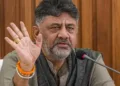
Ashoka said that the administration failed to plan adequately for the state’s energy needs and was now shifting the financial burden of its failures onto ordinary consumers. He accused Chief Minister D K Shivakumar, along with Power Minister K J George, of making people pay for electricity purchased at exorbitant rates in the open market.
“The state’s power demand crossed a record 20,000 MW in September, but your entire administration has completely short-circuited,” Ashoka said in his post, criticising the government’s handling of the power situation.
He further alleged that the expected tariff adjustment amounted to a backdoor increase at a time when families were preparing for the festive season. The BJP leader also targeted the Congress government’s guarantee schemes, arguing that the public was bearing the financial burden of its commitments.
Ashoka cited the reported decision of around 1.3 lakh consumers to opt out of the Gruha Jyothi scheme.
According to the report, these consumers across Karnataka stopped participating after the government contacted them during its door-to-door verification exercise, and they declined to provide the required documents.
The Gruha Jyothi scheme provides eligible households with free electricity within the prescribed consumption limits. Consumers who have opted out of the scheme will not receive its benefits and will have to pay their electricity bills, including any applicable power purchase cost adjustment.
Ashoka alleged that the verification process contributed to consumers leaving the scheme and accused the government of failing to protect ordinary Kannadigas’ interests. He urged the Congress government to roll back what he termed a hidden tariff hike. He said the public would not forgive the administration for imposing an additional financial burden during Dussehra and Deepavali.
The government’s reported move comes as electricity demand, weather conditions, and power procurement costs put pressure on the state’s energy management. The sharp decline in wind power generation and the poor monsoon have increased the need to purchase power from external sources.