BENGALURU: A man from West Bengal who was working at a jewellery shop in Kalaburagi has been taken into custody by THE central intelligence officials and local police over suspected links with the Pakistan-based terrorist organisation Lashkar-e-Taiba (LeT).
The suspect, identified as Mamatazwul Malik, was working in the Saraf Bazaar area with his brother. Investigators suspect that he was in contact with individuals associated with the terror outfit through social media platforms and had exchanged sensitive information through online messages.
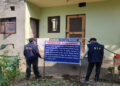
The operation was conducted within the limits of the Brahmapur police station in Kalaburagi. Officials are questioning the suspect to establish the nature of his alleged contacts, the content of the messages exchanged and whether he had any role in activities linked to the organisation.
The allegations are under investigation, and the precise nature of the suspected links has not yet been established publicly. Further details are expected to emerge as investigators examine his digital communications and other relevant evidence.
The detention comes amid a series of investigations in Karnataka involving individuals suspected of maintaining contact with extremist networks operating from outside India. Security agencies have been examining online connections, communication with foreign handlers and suspected efforts to facilitate illegal activities.
A few days before the latest operation, a young man from Uttar Pradesh who was working at a slaughterhouse was arrested in a separate case. The latest detention in Kalaburagi has renewed attention on intelligence agencies’ efforts to identify suspected extremist links in the state.
Two youths arrested in Chikkaballapura
On September 5, Chikkaballapura Police have arrested two young men in connection with the terror-related discussions on Telegram, with investigators examining suspected plans involving targeted attacks, kidnappings for ransom and fundraising for extremist activities.
The accused have been identified as Shabbir, a resident of Bapujinagar in Chikkaballapura and Salman, who is from North India. The arrests followed intelligence inputs about their alleged activities on the messaging platform.
Police first took Shabbir into custody from his residence and subsequently arrested Salman. Investigators are now examining the Telegram group in which the two allegedly participated, along with its administrator and other individuals who may have been connected to the network.
Preliminary investigations suggest that Shabbir, who reportedly dropped out of a pre-university course, joined Telegram around four months ago. Police suspect that discussions in the group went beyond ordinary online exchanges and included conversations related to extremist activities.
Investigators are probing allegations that members discussed targeting pro-Hindu leaders and kidnapping wealthy individuals to demand ransom. The money was intended to fund terror-related activities. Police are working to establish whether these discussions translated into any concrete plans and whether others were involved.
The role of the Telegram group administrator and the identities of other suspected members are also under scrutiny. Investigators are examining digital communications and other available evidence to determine the nature and extent of the alleged activities.
Uttar Pradesh youth arrested in Davanagere
In June 2026, a 20-year-old man identified as Suhail, who hailed from Uttar Pradesh, was arrested from a village in Harihar taluk of Davanagere district. According to the report, he had been living under the guise of a painter while remaining in hiding. The arrest followed specific information provided by the NIA concerning suspected online contacts with Pakistan-based extremist organisations and foreign handlers.
Investigators reportedly suspected that the youth had been involved in online activities influenced by extremist propaganda. The agency’s intelligence inputs led to his identification and subsequent arrest. The case highlighted the increasing attention being paid by security agencies to online communications and attempts by terror handlers to establish contact with individuals in India. Investigators are examining whether such interactions involve ideological radicalisation, recruitment or other unlawful activities.
Security agencies examine digital communications
The latest developments in Kalaburagi and the earlier cases in Chikkaballapura and Davanagere underline the continuing efforts of intelligence agencies and police to investigate suspected links between individuals in Karnataka and extremist networks.
Social media platforms and messaging applications have emerged as important areas of scrutiny in such investigations, particularly when agencies suspect communication with terrorism organistaions linked individuals or the exchange of information relating to illegal activities that threatens national security.