On October 20, 2026, the Rashtriya Swayamsevak Sangh (RSS) will mark its 101st foundation day, following its establishment in 1925. Over the decades, the Sangh and its swayamsevaks have participated in social service, relief work, assistance during wars and natural disasters, and worked among different community and regions across the country. From the tragedy of Partition in 1947 to the challenges of terrorism and insurgency, these episodes reflect an emphasis on discipline, national unity and service to society. On this occasion, let us look at some significant moments in the RSS’s journey:
1. Partition of 1947: Relief, rescue and rehabilitation
The Partition of Bharat in 1947 brought unprecedented suffering to millions of people. The division of Punjab and Bengal triggered communal violence and the forced migration of Hindus and Sikhs, displacing families who had to abandon their homes, belongings and livelihoods.
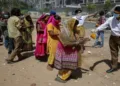
During this crisis, the RSS established relief camps to assist Hindu and Sikh refugees affected by Partition. Around 3,000 relief camps were established to provide assistance to displaced people.
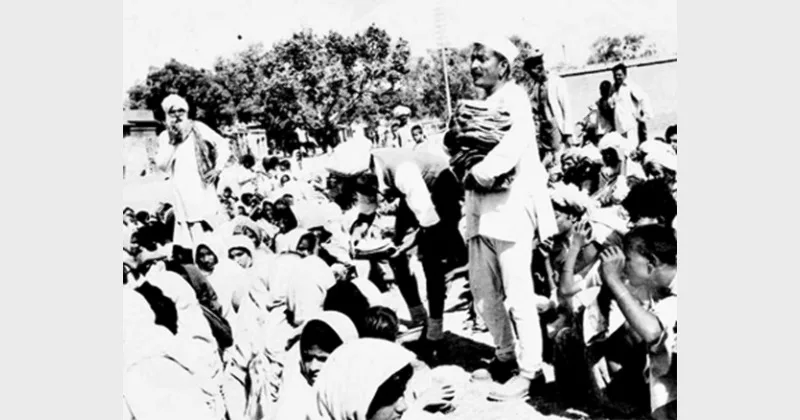
In Lahore, swayamsevaks worked through relief committees to collect and distribute food, clothes, medicines and other essential supplies. Their responsibilities extended beyond material assistance. They helped women, children and elderly people move to safer locations, assisted the injured in reaching hospitals, arranged funerals and helped rescue families during riots. As the number of displaced people increased, relief activities expanded to other towns and villages.
The work was undertaken under different banners, including the Punjab Relief Committee and the Vasthuhara Sahayata Samiti. Swayamsevaks provided immediate relief and helped displaced families cope with the uncertainty of rebuilding their lives.
2. Kashmir’s Accession in 1947
The accession of Jammu and Kashmir to Bharat in 1947 was one of the most consequential events in the early years of Independence. As princely states decided their future, Pakistan-backed tribal forces invaded Jammu and Kashmir, creating a security crisis for Maharaja Hari Singh’s administration.
The RSS’s second Sarsanghchalak, Shri M S Golwalkar (Guruji), travelled to Srinagar in October 1947 to meet Maharaja Hari Singh and urge him to accede to Bharat. Following the meeting, the Maharaja signed the Instrument of Accession on October 26, 1947, and the Governor-General accepted it on October 27. The Indian Army was subsequently airlifted to Srinagar to counter the invasion.
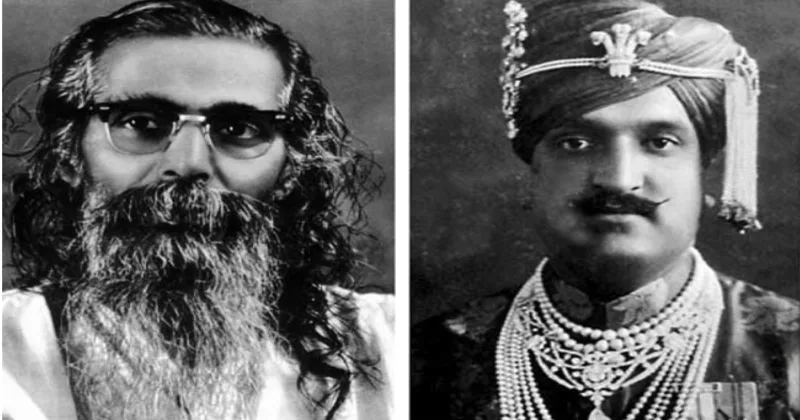
RSS swayamsevaks in Jammu played an important role in supporting efforts to protect the region during the crisis. They assisted people affected by the conflict and contributed to relief and support efforts amid the uncertainty.
The events of 1947 remain central to discussions on national integration, territorial integrity and Jammu and Kashmir’s place within Bharat. The episode also reflects the Sangh’s longstanding commitment to the integration of Jammu and Kashmir with the country.
3. The 1962 China War
The Chinese invasion of Bharat in October 1962 created a national emergency. As the armed forces confronted Chinese troops along the Himalayan frontier, public cooperation and assistance became increasingly important.
During the war, swayamsevaks mobilised to support the national effort and assist soldiers. Their activities reflected an emphasis on discipline, collective responsibility and service during a crisis. While soldiers defend the borders, civilians and voluntary organisations can help maintain morale, support relief efforts and assist the wider administration.
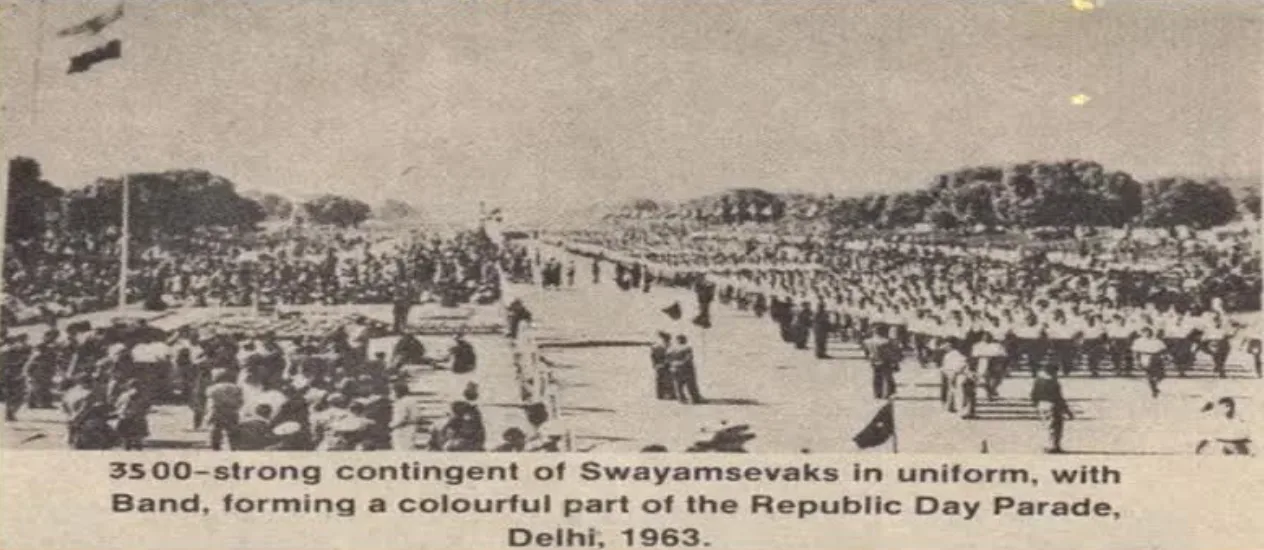
An important development followed in January 1963, when the RSS was invited to participate in the Republic Day parade in New Delhi. Approximately 3,000 swayamsevaks, in RSS Ganvesh, accompanied by the Sangh band (Ghosh), participated at short notice.
4. The 1965 Indo-Pak War
The 1965 India-Pakistan War was another major test of Bharat’s resolve after Independence. Pakistan launched military operations against India, and the conflict expanded across several sectors. The country needed not only military preparedness but also public cooperation to deal with the consequences of war.
During this period, RSS Sarsanghchalak Guruji Golwalkar called upon swayamsevaks and citizens to support the government in managing the crisis. His message emphasised assistance to displaced people, the injured and the sick, along with efforts to maintain law and order and sustain public morale.
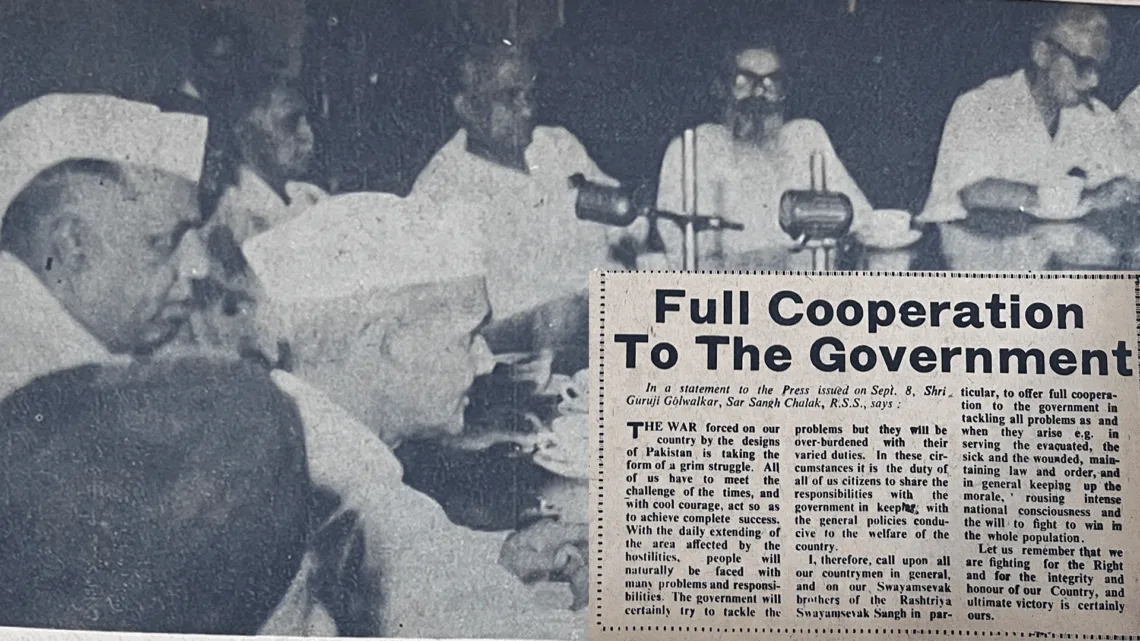
Guruji argued that as the conflict expanded, the government would face additional responsibilities and citizens should share the burden wherever possible. The appeal extended beyond the Sangh’s swayamsevaks, encouraging the wider population to contribute to the national effort.
Prime Minister Lal Bahadur Shastri also invited Guruji to an all-party meeting during the war. The meeting reflected the importance of cooperation across political and social organisations during a national emergency.
5. Kashmir Terrorism
The rise of terrorism in Jammu and Kashmir during the late 1980s and early 1990s brought fear, violence and displacement to the region. Kashmiri Hindus faced targeted threats and attacks, forcing many families to leave their ancestral homes.
The RSS and its inspired organisations provided relief to support displaced families and raise awareness about their plight. The Jammu Kashmir Sahayta Samiti was formed to assist displaced people. Swayamsevaks collected food, money, clothes and medicines and helped distribute these supplies among families who had taken refuge outside the Valley.
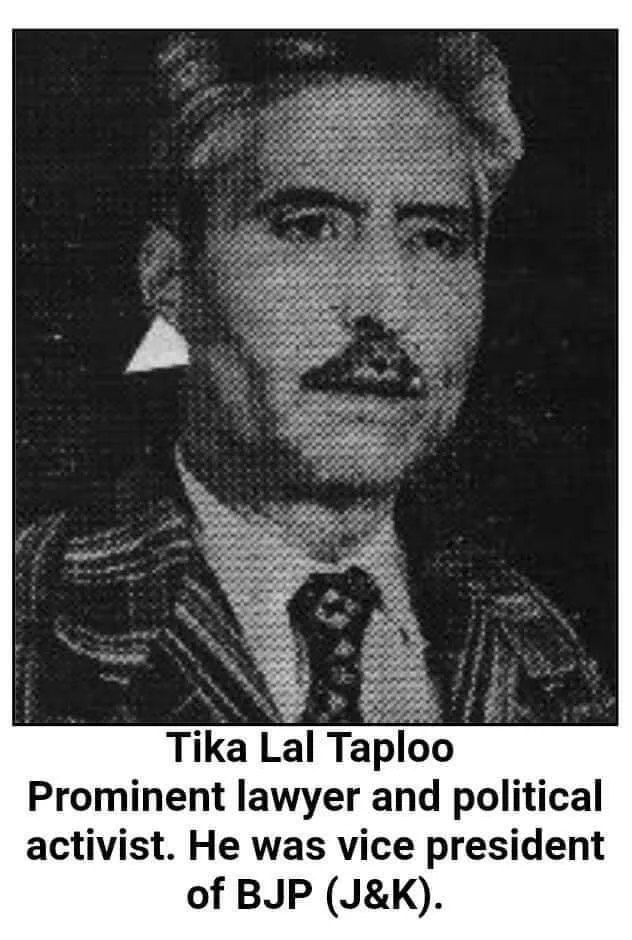
The efforts also extended to mobilising public support for the displaced community. In 1990, prominent swayamsevaks helped revive the All State Kashmiri Pandit Conference, which became a platform for articulating the concerns and demands of displaced Kashmiri Hindus.
During the Kashmir insurgency, several RSS swayamsevaks also sacrificed their lives while standing against terrorism and separatism.
6. Punjab Terrorism
During the 1980s, Punjab experienced a period of violent Khalistani extremism that threatened social harmony and national unity. Terrorist attacks targeted civilians and public institutions, while Hindu-Sikh relations faced severe pressure.
The RSS opposed separatist violence and continued its organisational activities despite threats to its volunteers. One of the most tragic incidents occurred on June 25, 1989, when Khalistani terrorists attacked an RSS shakha in Nehru Park, Moga. Twenty-five people were killed in the attack.
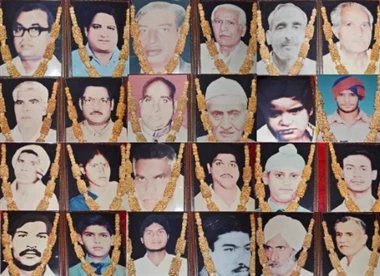
The victims included swayamsevaks who had assembled for their regular morning shakha. A particularly significant aspect of the incident was the decision to resume the shakha soon afterwards from the very next day.
The tragedy stands as a reminder of the sacrifice of swayamsevaks who opposed separatism and sought to preserve Hindu-Sikh unity.
Noted Sikh author Khushwant Singh acknowledged the RSS’s role in protecting Sikhs during the 1984 anti-Sikh riots, stating that it had played an ‘honourable role in maintaining Hindu-Sikh unity before and after’ Indira Gandhi’s assassination.
7. The Ekta Yatra of 1992
The Tiranga, our national flag became a powerful symbol of national integration during the period of terrorism and separatist activity in Kashmir. In the early 1990s, unfurling the Tricolour at Srinagar’s Lal Chowk carried considerable political and symbolic significance.
In December 1991, the Bharatiya Janata Party launched the Ekta Yatra from Kanyakumari under the leadership of its then president, Dr Murli Manohar Joshi. The journey sought to communicate the message that Jammu and Kashmir is an integral part of Bharat. Narendra Modi also played a key organisational role in the campaign.
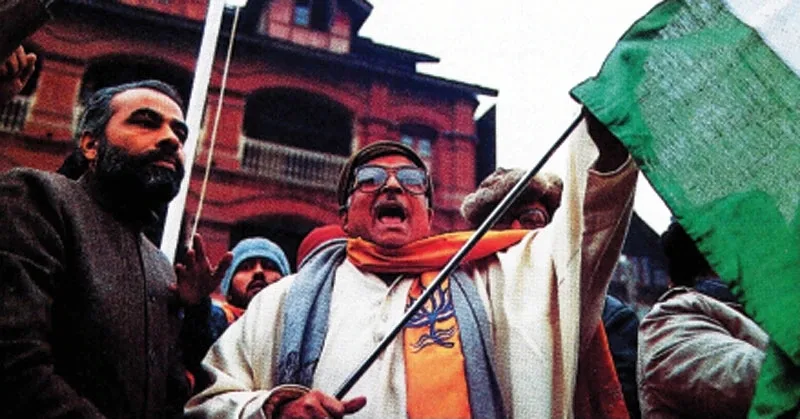
On January 26, 1992, the Yatra culminated with the unfurling of the Tiranga at Lal Chowk, despite security threats and opposition from separatist elements.
The effort had a wider background. The Akhil Bharatiya Vidyarthi Parishad (ABVP), a student organisation inspired by Sangh, had earlier mobilised students around the demand to hoist the Tricolour in Srinagar. Students sought to demonstrate that terrorism and separatism could not undermine the national identity of Jammu and Kashmir.
The Ekta Yatra became an important episode in the campaign for national integration. It brought the Kashmir issue into national public debate and asserted that terrorism should not determine the symbols or identity of the region.
8. Work in Northeast
The Northeast presents distinct challenges, including difficult geography, limited access to essential services in remote areas and periods of insurgency. The RSS began expanding its activities in the region in the 1940s, with pracharaks arriving in Assam in October 1946 and establishing shakhas in places including Guwahati, Shillong and Dibrugarh.
In 1950, when a devastating earthquake and floods struck Assam, RSS swayamsevaks joined relief efforts to assist affected people, marking an important chapter in the Sangh’s early work in the North-East.
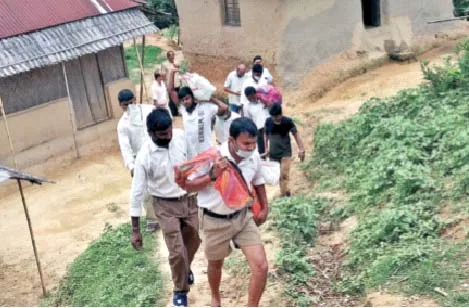
Over time, its activities expanded beyond organisational work to include education, community engagement and social service. The Sangh and associated organisations undertook projects to assist communities in remote and tribal areas.
These initiatives have included educational support, relief distribution and efforts to connect young people from the North-East with other parts of Bharat. The Sangh inspired organisations has also supported programmes aimed at improving access to education and encouraging interaction among communities.
The region has witnessed serious violence and insurgency, and RSS Swaysmsevaks have faced threats while carrying out their activities. In 1999, four pracharaks were kidnapped and killed, highlighting the dangers confronting those working in difficult areas.
COVID-19 Pandemic
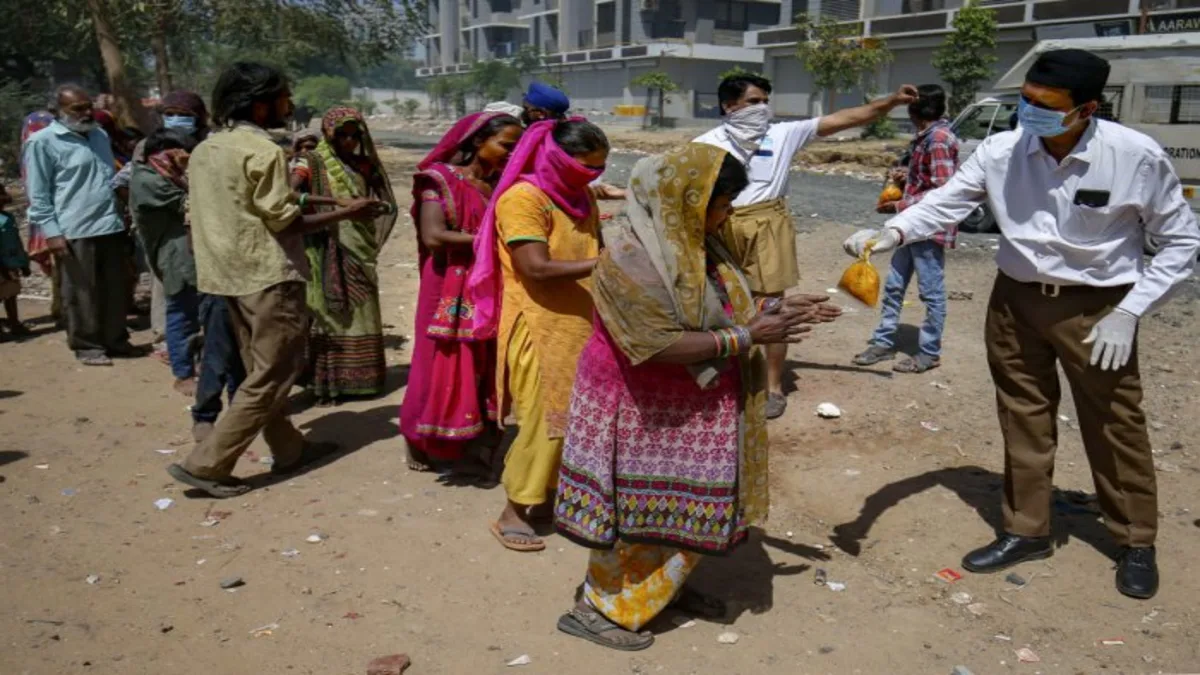
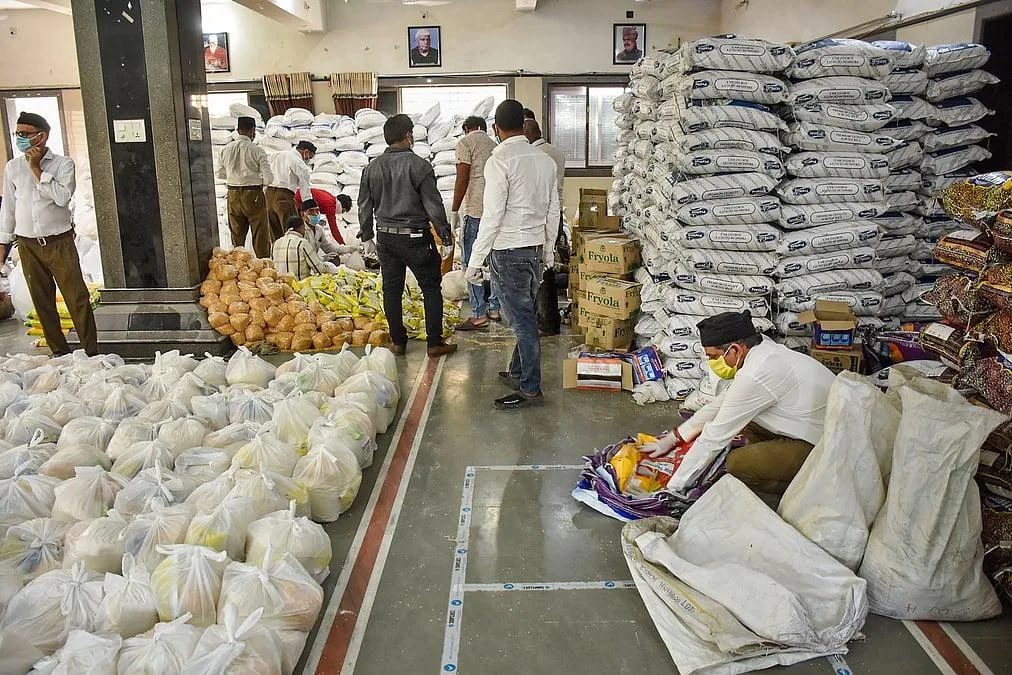
During the COVID-19 pandemic, RSS swayamsevaks carried out relief work across Bharat, distributing food, ration kits, masks and essential supplies to families in need. Many put their own lives at risk while helping infected people, arranging medical assistance and supporting families affected by the crisis. Some even lost their lives in the line of service, reflecting their commitment to serving society.
A century of service
From the Partition of 1947 to wars, terrorism, disaster relief, education, social service and national integration, RSS swayamsevaks have worked across Bharat in diverse fields, responding to challenges and serving society with discipline, dedication and a spirit of sewa.
As the RSS enters its 101st year on October 20, 2026, these episodes offer a glimpse into its journey and its commitment to inculcating a culture of voluntary duties and nationalism with the sense of belongingness in the entire society.
From assisting displaced families to supporting people during times of crisis and working among communities in remote regions, the Sangh’s journey encompasses service to society and the pursuit of national unity. Swayamsevaks seek to foster these values by inspiring others through their actions and setting an example, rather than through preaching.