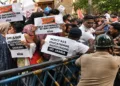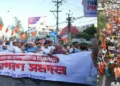
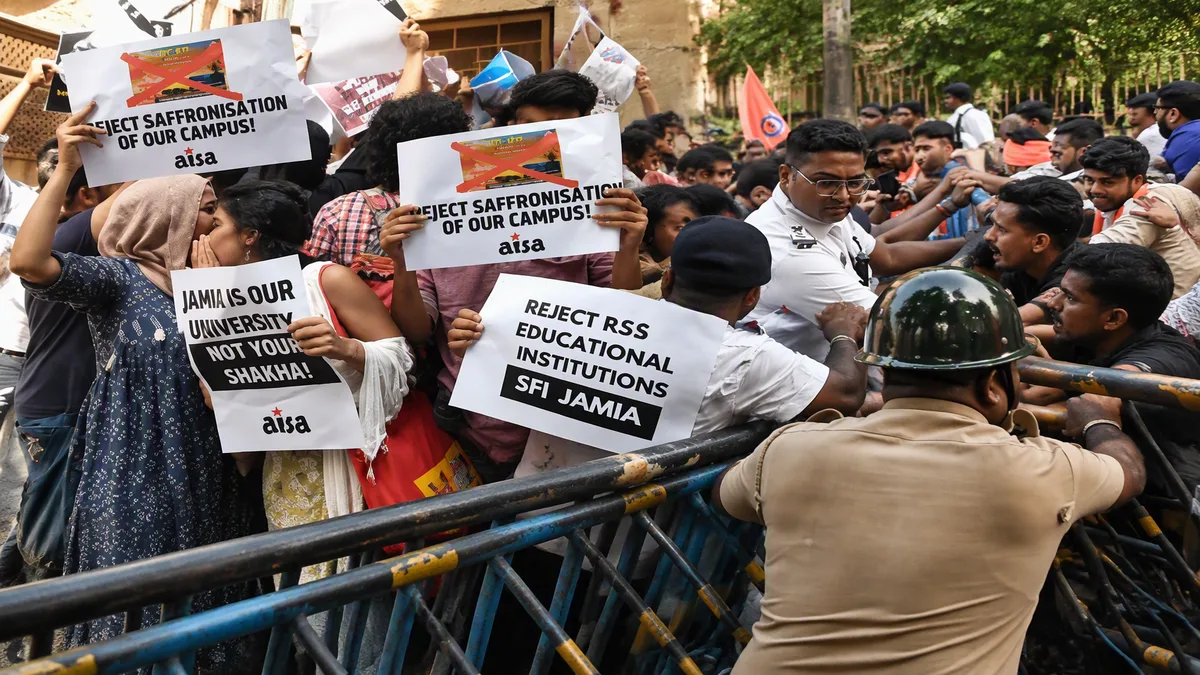
My perspective is the only correct one. This narrow-minded approach of left-wing groups, often labelled as socialist, such as the All India Students’ Association (AISA), Students’ Federation of India (SFI), and Democratic Students’ Federation (DSF), frequently focuses on their biased ideologies, methods of violent protests on campus, and the detrimental effects they have on academic settings.
The impact of these groups on the fundamental operations of universities includes:
Disruption of Academic Activities and Infrastructure: Regular academic routines are hindered by repeated class boycotts, academic strikes, indefinite administrative blockades (gheraos), and the forcible takeover of administrative or academic facilities. Such disruptions can postpone examinations, impede research advancement, squander institutional resources, and foster a negative perception among the younger generation, as well as tarnish the university’s reputation on the international stage.
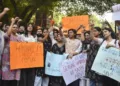
Militant Agitation and Division: The aggressive and destructive protest culture promoted by these groups often shifts from lawful dissent to confrontational behaviours, vandalism, and physical altercations with nationalist student organisations or administrative and security staff. This environment contributes to a tense and divided campus, where ideological differences can swiftly evolve into hostility.
Erosion of Institutional Authority and Governance: Ongoing challenges to the elected leadership of universities, disciplinary committees, and proctorial boards undermine effective governance. When student unions challenge administrative regulations or ignore established grievance procedures, it sets a troubling precedent that can disrupt proper campus management.
Ideological Hegemony and Intolerance: These groups seek to establish ideological control, often opposing alternative perspectives, lectures, or cultural events organised by nationalist or right-leaning student organisations. This fosters an environment where free speech and a diversity of ideas are suppressed under the pretext of progressive activism.
Politicisation of Higher Education: External ideological groups leverage these student organisations as instruments in broader political conflicts, using them as tools for Anti Bharat International organisations to incite unrest in Bharat, weaken the nation, and propagate harmful narratives against constitutional institutions, Hindu culture, and national development.
Significant campus events featuring accusations of violence, confrontations, or assaults that resulted in injuries include:
Jawaharlal Nehru University (JNU) Violence (January 2020): A group of masked individuals entered the JNU campus and assaulted students and faculty members. Reports suggested that approximately 30 to 40 people, including students, educators, and the JNUSU President, were injured. The ABVP claimed that about 25 of its members were hurt, with several going unaccounted for.
Jadavpur University Clashes (Kolkata): Jadavpur University has experienced recurrent violence from left-affiliated student wings (such as the SFI and FETSU) over general body meetings, ideological events, and campus demonstrations. Clashes periodically result in physical assault and physical injuries requiring medical attention to non-leftist students.
Incidents involving clashes, physical altercations, and protests against the ABVP have been reported at several campuses over the years, including the University of Hyderabad, Delhi University, Visva-Bharati University, and Azim Premji University. Although these occurrences often lead to local police reports, medical documentation of minor to moderate injuries, and institutional investigations, a significant portion of the media and intellectual community tends to overlook the agenda and aggressive tactics of leftist groups. A new trend has also emerged wherein organisations or institutions affiliated with the RSS are portrayed negatively through the use of fabricated images or videos, aiming to convince the broader public that the political power granted to the BJP is being misused violently by RSS-linked organisations.
The recent allegations against organisations linked to the RSS involve the Satyajit Ray Film and Television Institute (SRFTI) in Kolkata, which has faced significant turmoil in recent weeks. Violence has erupted on campus, and students continue to guard the premises, hoping for a return to normalcy. These allegations have intensified since the BJP, led by Chief Minister Suvendu Adhikari, came to power, seemingly aimed at damaging the reputation of both the RSS and Adhikari. Those familiar with West Bengal’s campus and political landscape, from the era of communist rule to Mamata Banerjee’s leadership, are well aware of the oppressive tactics employed by leftist groups against students and organisations that opposed their practices, such as violence, vote bank politics, and inadequate development and educational provisions. Now, under Adhikari’s government, intellectuals, the media, and students can openly discuss the severe challenges faced by Bengali students. Let everyone know the true face of leftist organisations.
A single instance of intense animosity directed at the RSS and its affiliated organisations
Protests and ensuing clashes at the Central University of Kerala (CUK) in Kasaragod were sparked by a two-day national seminar celebrating the 150th anniversary of Vande Mataram. The seminar was jointly arranged by the university, the Sahitya Akademi, and the Akhil Bharatiya Sahitya Parishad, featuring J. Nandakumar, a prominent figure from the RSS-affiliated organisation Prajna Pravah, as a keynote speaker. His invitation faced strong opposition from left-leaning student groups. In anticipation of significant dissent, security was increased, and J. Nandakumar arrived early on campus. As students gathered to protest and obstruct the event, tensions escalated into physical altercations with police tasked with managing the unrest. In response to the chaotic demonstrations, the university and local authorities implemented strict measures, suspending several students and filing formal charges against approximately 25 participants who disrupted the seminar.
Despite the ongoing protests and student boycotts, the seminar continued, wrapping up with a speech by Kerala Governor Rajendra Arlekar, who denounced the disruptions and suggested a larger conspiracy behind the unrest. This reflects their brutality against those who do not align with their ideology, revealing their anti-humanitarian goals. Currently, they are fabricating narratives about organisations linked to RSS in order to tarnish its reputation. In reality, these leftist organisations should engage in introspection and gain a better understanding of our great constitution. They need to adopt a “Nation First” mindset instead of adhering to the ideologies of Marx, Mao, Lenin, and Stalin, which have caused destruction around the world.