New Delhi: The National Payments Corporation of India’s (NPCI) UPI and Services Steering Committee has deferred the proposed introduction of a Merchant Discount Rate (MDR) on select person-to-merchant (P2M) UPI transactions above Rs 2,000 until immediately after Diwali.
The revised implementation date is expected to fall after November 8, 2026. The exact date will be notified separately. The framework, which was notified on September 15, had originally been scheduled to take effect on October 15.
The deferral gives retailers, traders and payment service providers additional time to prepare for the proposed changes without facing a new payment-related cost during one of the busiest shopping periods of the year.
Diwali and the wedding season generally bring higher consumer spending across markets. Retailers, including small shopkeepers and traders working with limited margins, depend on this period to increase sales and manage business expenses. Delaying the proposed MDR framework until after the festival is intended to prevent uncertainty over payment costs from affecting festive transactions.
The decision also reflects an effort to balance the immediate needs of traders with the longer-term sustainability of India’s digital payments infrastructure.
Trade bodies welcome the decision
The proposed MDR framework had drawn representations from trader organisations seeking a delay. The Confederation of All India Traders (CAIT) had called for relief and welcomed the deferral as a timely and pragmatic decision.
Trade bodies argued that introducing a new merchant-side charge immediately before the festive season could create concerns among retailers already managing inventory, staffing and other operating expenses.
The decision to postpone implementation gives businesses more time to understand the proposed rules and make the necessary arrangements. It also reduces the possibility of confusion among merchants during a period when digital payments play an important role in retail sales.
The deferral does not amount to the cancellation of the framework. Instead, it postpones its implementation until after Diwali, with the revised date to be announced separately.
This distinction is important for merchants and payment companies preparing for the next stage of the UPI payment system.
Everyday UPI payments to remain free
A key feature of the proposed framework is that it does not introduce charges on all UPI transactions. Its scope is limited to select merchant payments, while several commonly used categories remain free.
Person-to-person (P2P) transfers, such as sending money to family members or friends, remain free. Merchant payments of up to Rs 2,000 are also exempt from the proposed MDR.
Eligible small merchants receiving up to Rs 1 lakh per month through UPI QR payments under the P2PM category are also covered by the exemption.
According to estimates cited in the framework, around 95–96 per cent of person-to-merchant transactions by volume would remain unaffected. This means the bulk of everyday UPI payments would continue without the proposed merchant charge.
For consumers, the distinction is significant. The framework is designed around specified merchant transactions rather than introducing a general fee for using UPI.
The proposed rules also state that merchants cannot pass the MDR on to customers. The charge is intended to apply on the merchant side, not as an additional payment collected from the person making the transaction.
Proposed MDR rates include caps and concessions
Under the framework, a 0.4 per cent MDR is proposed for eligible higher-value merchant transactions above Rs 2,000. The rate is capped at Rs 300 for transactions worth Rs 75,000 and above.
Certain sectors, including railways, telecommunications, insurance, fuel, utilities and agricultural inputs, are assigned a flat charge of Rs 5 under the proposed structure. Capital-market transactions are subject to a concessional rate of 0.02 per cent, also subject to a cap.
These provisions indicate that the framework does not apply a single rate uniformly across all merchant categories. It includes exemptions, capped charges and concessional rates for specified sectors.
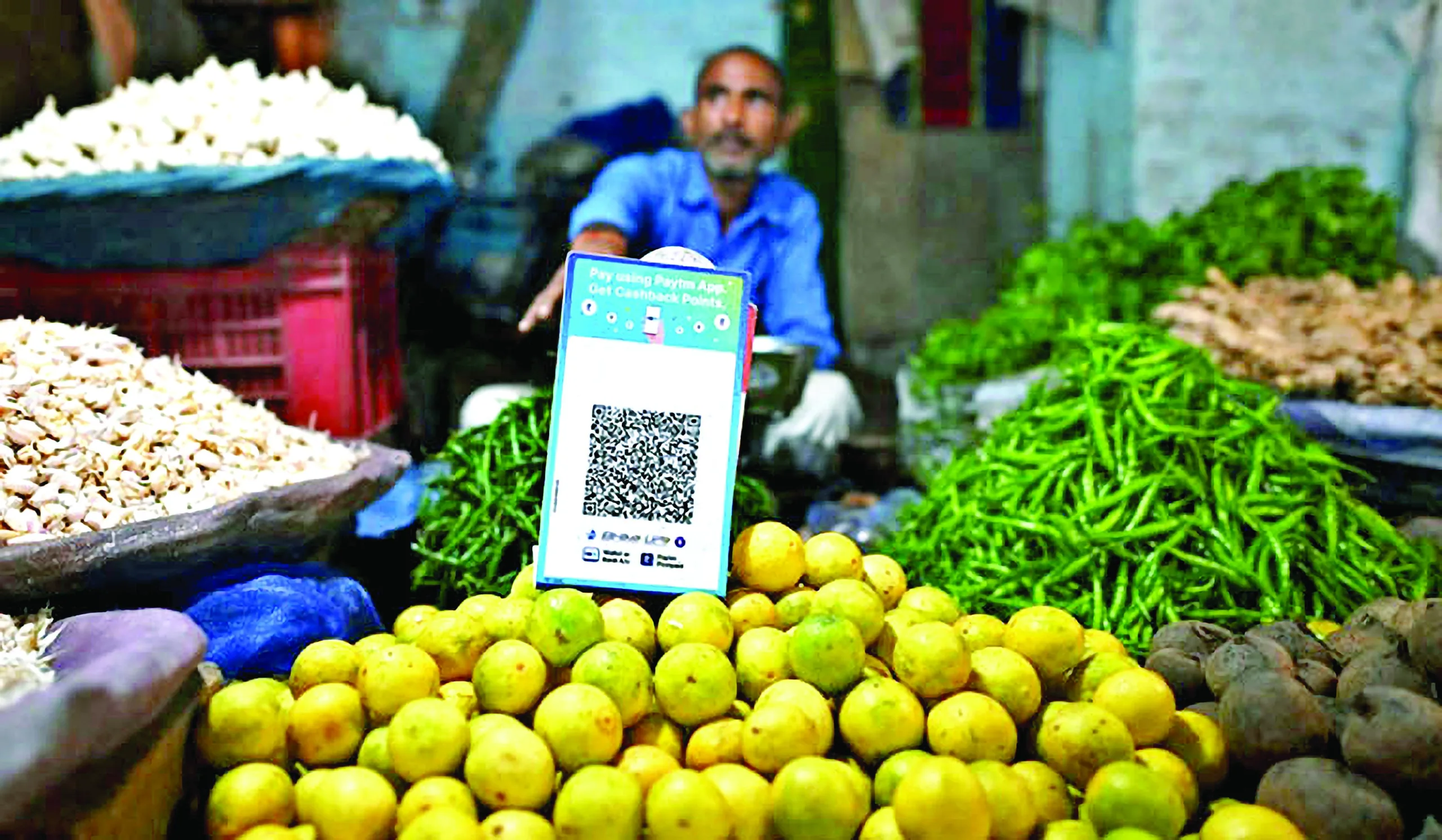
The treatment of small merchants is particularly important because UPI QR payments have become a common payment option for neighbourhood shops, street vendors and other small businesses. Keeping eligible small merchants exempt is intended to protect access to digital payments for businesses that may have limited capacity to absorb additional costs.
The revised implementation schedule gives merchants and payment providers more time to understand these provisions before the framework takes effect.
Why UPI’s financial sustainability matters
UPI has become a major part of India’s digital payments ecosystem, allowing consumers to make payments instantly through bank accounts using mobile phones and QR codes. Its use extends from large urban markets to smaller towns and rural areas.
The source estimates cited in the proposed framework put the number of active UPI users at more than 55 crore. Monthly transaction value has reached around Rs 30 lakh crore, with merchant payments accounting for an estimated Rs 9 lakh crore in recent figures.
This growth has made UPI an important tool for financial inclusion and business transactions. Customers can make payments without carrying cash, while merchants can receive money directly into their bank accounts.
However, operating a large digital payment network also requires investment. Banks, payment aggregators and other participants must maintain infrastructure, expand merchant acceptance, strengthen cybersecurity and work to prevent fraud.
For years, the absence of MDR on UPI payments has limited a direct source of revenue from these transactions. The proposed framework seeks to introduce a limited merchant-side revenue stream for eligible transactions while retaining exemptions for everyday transfers and small merchants.
The challenge is to support the payment ecosystem financially without making digital payments less accessible. The proposed exemptions, caps and concessional rates are intended to address that concern.
Festive consumption with long term reform
The timing of the deferral is significant because the festive period is a major opportunity for retailers to increase sales. Delaying the rollout allows businesses to continue operating during this period without having to adjust immediately to the proposed MDR framework.
It also gives payment companies and merchants additional time to communicate the changes and prepare for implementation. Clear information about which transactions are covered, which merchants qualify for exemptions and how charges will be calculated will be important for a smooth transition.
The decision offers short-term relief to traders while keeping the longer-term framework in place. It reflects an approach that takes account of both the immediate needs of businesses and the operating requirements of a rapidly expanding digital payment network.
For consumers, the central assurance remains that person-to-person transfers and eligible merchant transactions will continue to be free under the proposed framework. The restriction on passing the MDR to customers is also intended to prevent merchants from collecting the charge directly from buyers.
What happens next?
The proposed MDR framework was originally scheduled to begin on October 15, 2026. Following the deferral, its implementation is expected immediately after Diwali, with the exact date to be notified separately.
Until then, merchants and payment service providers have additional time to prepare for the proposed changes. Traders will also be able to seek clarity on the rates, transaction categories and exemptions applicable to their businesses.
The deferral does not scrap the proposed MDR framework. Rather, it shifts the rollout beyond the festive shopping period while retaining the stated objective of supporting the sustainability of India’s digital payments ecosystem.
The broader policy challenge is to preserve UPI’s accessibility while ensuring that the infrastructure supporting millions of daily transactions remains sustainable. By postponing the proposed changes until after Diwali, the authorities have given festive trade additional breathing room while keeping the focus on a payment system that continues to serve ordinary users and businesses across the country.