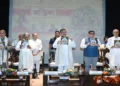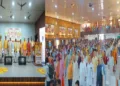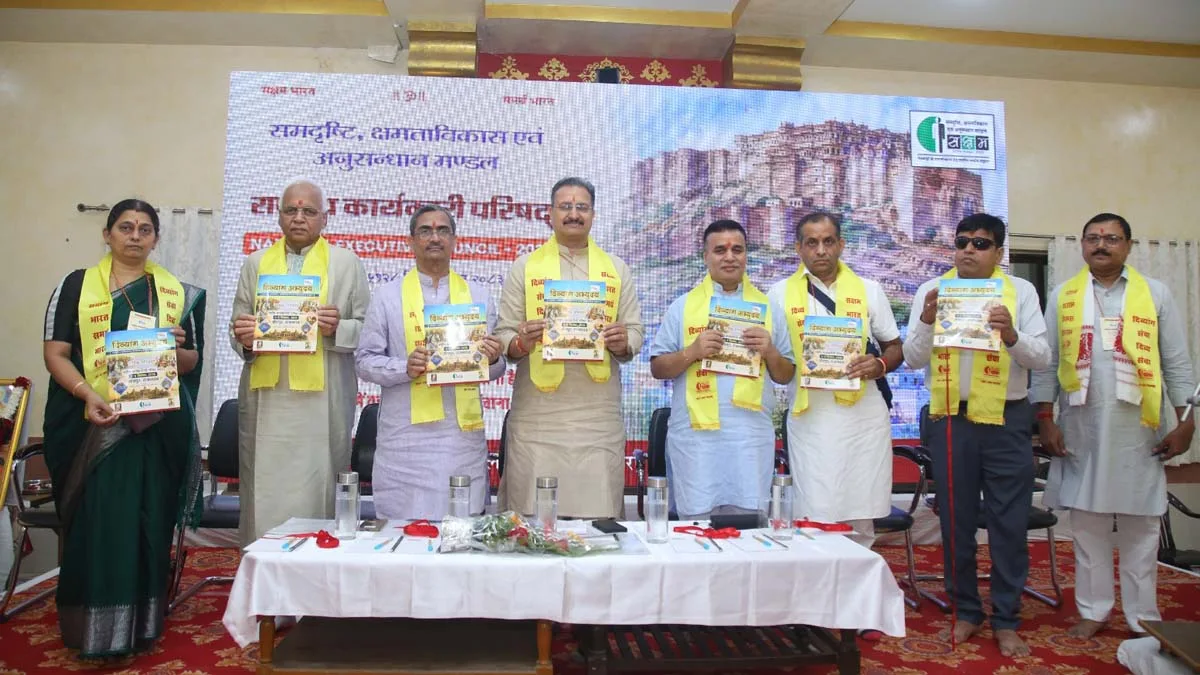
The three-day National Executive Council meeting of Saksham was held from September 4 to 6, 2026, at Punglia Resort, Jodhpur, with the resolve to make efforts for the dignity, self-reliance, equality and social inclusion of Divyangjan (divinely-abled persons) more effective and extensive. The participation of senior Saksham karyakartas, office-bearers and special invitees from across the country made the gathering an important national platform for discussion, experience-sharing, deliberation and renewed resolve.
Over the three days, the meeting reviewed the service activities being undertaken for Divyangjan in different prants of the country, while also holding extensive discussions on future plans, organisational strengthening and the changing needs of Divyangjan.
Reviewing the National Mission
On September 4, the first day of the meeting, a meeting of Saksham’s Akhil Bharatiya Karyakarini, invited members and Sangathan Mantris was held. Its primary objective was to deliberate seriously on current issues concerning Divyangjan in the country, the challenges they face, and the status of the work being undertaken by Saksham. The meeting discussed the social, economic and practical challenges faced by Divyangjan in different parts of the country. It also deliberated on Saksham’s role in the present circumstances, the effectiveness of its organisational activities, and the need to make its service activities more result-oriented in the future.
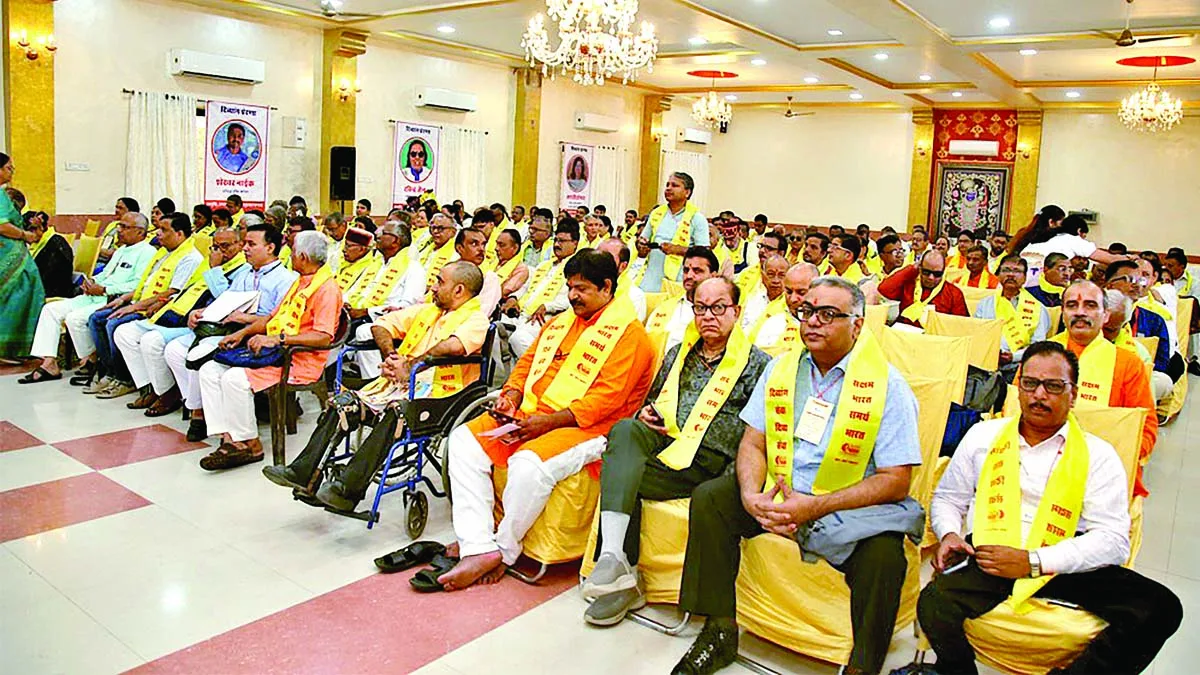
On September 5, the inaugural session of the three-day national meeting was organised. It was attended by members of Saksham’s Akhil Bharatiya Karyakarini, invited members and Sangathan Mantris, along with Prant presidents, vice-presidents, secretaries, joint secretaries, treasurers and Mahila Pramukhs from different parts of the country. The chief guests at the inaugural ceremony were RSS Sah-Sarkaryawah Alok Kumar and Akhil Bharatiya Sah Seva Pramukh Rajkumar Matale. Their guidance infused the participating karyakartas with renewed energy, inspiration and a firm resolve towards service. Following the inauguration, various sessions were held over the three days, during which Saksham’s nationwide activities were presented, reviewed and evaluated extensively.
Seven Cells for Expanded Service
The meeting included a comprehensive review of service activities being undertaken by different Prants across Bharat. Special attention was given to the services being provided through Divyang Seva Kendras, their experiences and their impact on society. Innovative initiatives undertaken in different States, along with case studies, success stories and notable achievements, were shared. This provided inspiration to other Prants and karyakartas to undertake new experiments and adopt better working methods. The meeting also discussed ways of ensuring that Divyangjan receive information about changes in Government rules, laws and policies, as well as new provisions concerning them, and how the actual benefits of these rights can reach the last person in society.
Keeping in view the diverse needs of Divyangjan, Saksham has divided different areas of ability into seven major cells with the objective of undertaking more focused, specialised and effective work. Each cell works in its respective field towards improving the lives of Divyangjan. The seven cells are: Dheemahi Cell — Work related to intellectual abilities; Chetana Cell — Work related to mental abilities; Drishti Cell — Work related to visual and eye-related abilities; Pranav Cell — Work related to hearing abilities; Charaiveti Cell — Work related to orthopaedic and bone-related abilities; Savita Cell — Work related to Divyangjan affected by leprosy; Pranada Cell — Work in the field of blood-related abilities.
During the three-day National Executive Council meeting, the work of all seven cells was discussed and reviewed in detail. The current situation in each field, the challenges being faced, the service activities being undertaken and future efforts were examined at length. Discussions focused on how service activities through these cells could be made more organised, effective and result-oriented, while ensuring that their reach extends to a larger number of Divyangjan.
Seven Dimensions Holistic Empowerment
Saksham’s objective is not limited to serving Divyangjan; it also undertakes comprehensive work for their social, economic, cultural and personal development. With this perspective, the organisation has developed seven major dimensions of work. These include Mahila, Yuva, Kala, Krida, Rozgar, Advocacy (rights and representation), and Research.
The national meeting held separate discussions on all seven dimensions. The focus was on ways to provide greater opportunities to differently-abled women and youth, provide platforms for their talent through art and sports, and make them economically self-reliant through employment and skill development.
Discussions also focused on strengthening advocacy, awareness and implementation concerning the rights of Divyangjan and the government schemes and policies available to them. The need to make future plans more effective through scientific and evidence-based research on various subjects was also discussed.
The coordinated framework of the seven cells and dimensions provides a broad direction to Saksham’s work. Its fundamental objective is not merely to provide assistance to Divyangjan, but to connect them with the mainstream of society through dignity, self-respect, social harmony, equal opportunities, self-reliance and active participation in society. The detailed discussions on all these cells and dimensions during the three-day national deliberation laid an important foundation for making Saksham’s work more extensive, organised and effective in the coming period.
Creating Inclusive Society
An important subject of the national meeting was also the expectations Saksham has from its karyakartas. Detailed discussions were held on how sensitivity, respect, effortless behaviour and a sense of equality should be reflected in their interactions with Divyangjan. It was emphasised that Divyangjan are not objects of pity but citizens with equal rights, abilities and talents. What is required is to recognise their abilities, provide opportunities and connect them with the mainstream of society.
The meeting also deliberated on the important question of what effective steps can be taken by society to prevent disabilities and reduce their impact. At the same time, discussions focused on what programmes and activities could be conducted at the local level to make Divyangjan self-reliant, self-respecting and independent. Emphasis was placed on the need for efforts that empower Divyangjan and enable them to become active participants in the development of society.
From Resolve to Action
On September 6, the final phase of the meeting focused particularly on translating the deliberations and discussions of the previous two days into an action plan. Drawing upon the experiences of different Prants, discussions were held on making future activities more effective, organised and result-oriented.
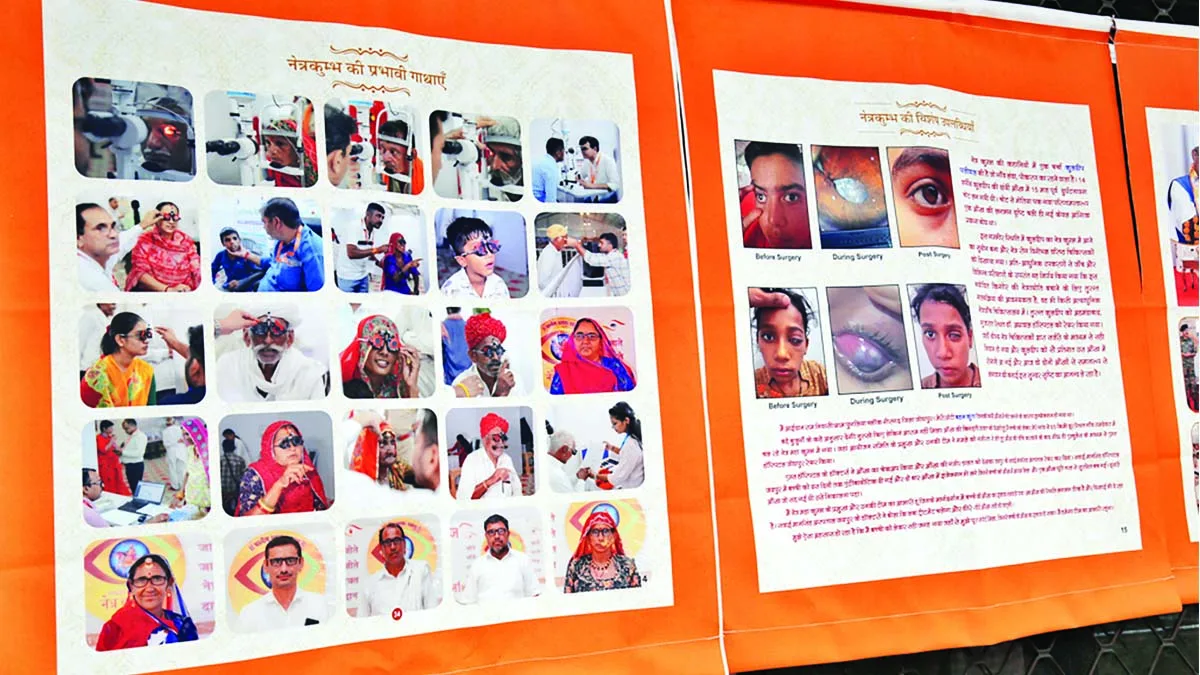
The karyakartas were conveyed the message that Saksham’s real success would lie in ensuring that the ideas and resolutions adopted at the national level reach the Prant, district, city and the last person in society in the form of service and sensitivity. Each representative attending the three-day meeting resolved to work with greater dedication, sensitivity and active participation at their respective levels towards fulfilling the aspirations of Divyangjan. The atmosphere of the meeting remained filled with inspiration, positive energy and a renewed resolve for service. During the three-day event, various souvenirs and magazines showcasing Saksham’s activities, line of thought and service work were also released. These publications presented the service activities, achievements and inspiring initiatives being undertaken across the country.
Saksham’s three-day National Executive Council meeting was not confined merely to meetings and discussions. It became an important milestone in the direction of transforming service into resolve, resolve into action and action into social change.
Karyakartas from different parts of the country shared their experiences, learnt from one another and discussed new possibilities for the future. The meeting strengthened the conviction that when society’s sensitivity, organisational strength and the dedication of karyakartas move in one direction, positive and lasting change can be brought into the lives of Divyangjan.
The essence of the three-day national deliberation was contained in a single resolve: Not merely service for Divyangjan, but dignity; Not merely assistance, but self-reliance; Not merely opportunities, but equal rights; Not merely participation, but equal participation in the development of society.
This resolve gives Saksham’s karyakartas new energy and inspires them towards building a Bharat where every person with a disability can live with dignity, self-respect, equality and self-reliance.