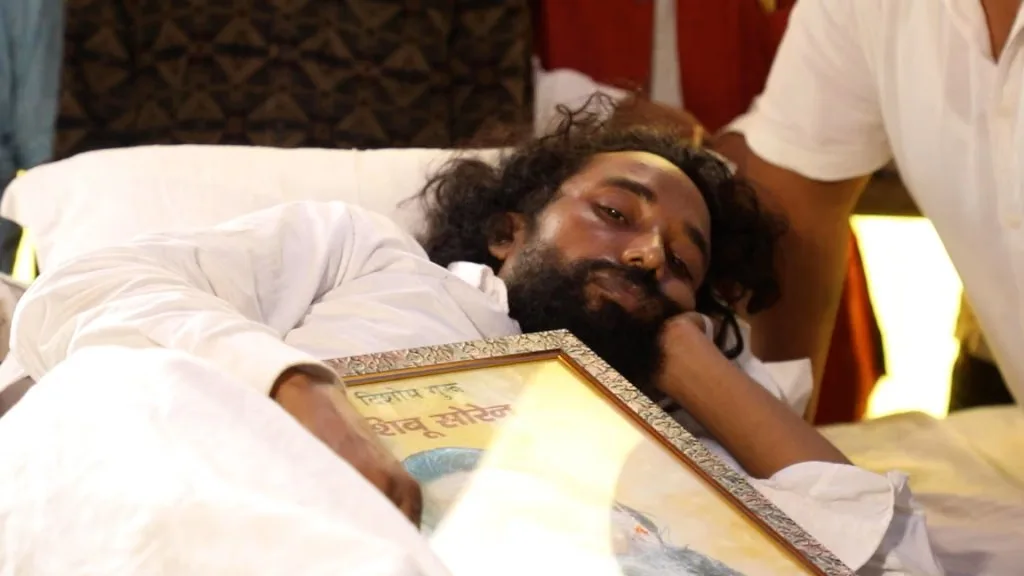
Student leader Devendra Nath Mahto on August 17, ended his 16-day hunger strike at Ranchi’s Sadar Hospital after the Jharkhand government announced the cancellation of the JSSC-CGL examination and all examinations conducted by TSR Data Processing Private Limited (TDPL).
Mahto, who had emerged as one of the prominent faces of the prolonged student agitation over alleged irregularities in Jharkhand’s recruitment examination system, ended his fast in the presence of state ministers Dipika Pandey Singh and Irfan Ansari.
The development came after Chief Minister Hemant Soren, following a special Cabinet meeting, announced the cancellation of the JSSC-CGL examination and TDPL-conducted examinations. The government also announced action on wider concerns surrounding recruitment examinations conducted in the state.
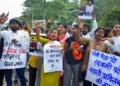
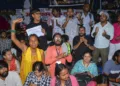
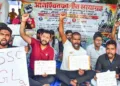
For Mahto and the protesting students, the decision marked a significant breakthrough after weeks of demonstrations, hunger strikes, negotiations, an Assembly gherao and a Tricolour march.
However, Mahto made it clear that the end of his hunger strike should not be interpreted as the end of his campaign.
‘Huge victory for Jharkhand,’ says Mahto
Speaking to reporters after breaking his fast, Mahto described the government’s decision as a major victory for the students and the people of Jharkhand.
“Today marks a huge victory for Jharkhand. While I am now suspending my protest, my struggle for reform will continue,” Mahto said.
He thanked Chief Minister Hemant Soren, Congress MP Rahul Gandhi, ministers Dipika Pandey Singh and Irfan Ansari, fellow students, the media and social activists who had supported the movement.
Mahto said the agitation had begun on July 2 and referred to the CID inquiry initiated following his meeting with the Chief Minister.
He said the investigation was being conducted thoroughly and stressed that it should not spare anyone responsible for irregularities, including senior officials.
Mahto wants recruitment system overhauled
While welcoming the cancellation of the JSSC-CGL examination, Mahto said the decision had not been easy for the government because the recruitment process had already reached the appointment and joining stage.
He said many candidates had already secured positions through the process, making the government’s decision particularly significant.
According to Mahto, the government nevertheless took the “bold step” in view of the situation and the concerns raised by students.
He now wants the government to move beyond cancelling examinations and introduce structural changes to the recruitment system.
Mahto called for stronger laws to prevent paper leaks and examination malpractice. He said competitive examinations should be monitored and audited at every stage, with proper certification throughout the process.
“Every examination must be monitored, every examination must be audited, and there must be a clear certificate for every examination and at every stage; we will continue to struggle for this,” he said.
Three protesters end hunger strike
Mahto was not the only protester to end the hunger strike following the government’s announcement.
Minister Irfan Ansari said Mahto, Umme Habiba and Rahul Kranti voluntarily ended their fast after the government accepted key demands of the protesting students.
“Just now, Devendra Mahato, Umme Habiba, and Rahul Kranti voluntarily took the initiative to end their hunger strike. We facilitated the end of their hunger strike. We helped them break their fast by giving them juice,” Ansari told reporters.
All three protesters subsequently underwent medical examinations at Sadar Hospital.
According to the minister, their blood pressure and blood sugar levels were found to be normal.
Student protester Rajesh Prasad described the development as the successful culmination of the students’ prolonged agitation.
He said the government had accepted demands concerning cancellation of the JSSC-CGL examination, the 11th to 13th JPSC examinations and other examinations, including the CDPO and FSO tests, conducted by TDPL.
Prasad said students now had faith that the government would ensure an impartial investigation into the alleged irregularities.
Umme Habiba lists pending demands
While ending her hunger strike, student protester Umme Habiba pointed out that some demands remained pending.
She sought withdrawal of legal action against students who participated in the agitation and called for protection of their right to peaceful and democratic protest.
Habiba also demanded the reinstatement of Santosh Mastana by revoking his suspension.
She further sought necessary action in connection with CID Case No. 025 and called for steps to expedite its closure or withdrawal.
“I am struggling for the rights of Jharkhand’s candidates, a fair recruitment system, and the security of their future,” Habiba said, appealing to the Chief Minister to consider the pending demands and take time-bound action.
Mahto says hunger strike has ended, but fight continues
For Mahto, the decision to end the hunger strike is only a change in the nature of the movement.
He said his focus would now shift towards creating a recruitment and examination system in which paper leaks, manipulation and other irregularities cannot take place.
Mahto indicated that he was prepared to push for legislative and, if necessary, constitutional changes to strengthen the examination system.
“If this requires the Legislative Assembly to enact new laws or necessitates a constitutional amendment, then so be it,” he said.
His emphasis is now on ensuring that the government does not limit its response to cancelling individual examinations but instead addresses the systemic weaknesses that have repeatedly raised questions over recruitment examinations in Jharkhand.
16 days of hunger strike followed weeks of student agitation
Mahto’s hunger strike was part of a wider student movement that continued for weeks across Ranchi.
Students had been protesting alleged irregularities in JPSC and JSSC examinations and demanding greater transparency and accountability in the recruitment process.
The agitation included demonstrations, hunger strikes, negotiations with government representatives and an Assembly gherao.
Students also organised a Tricolour march on Independence Day, adding a strong nationalist dimension to the movement. Protesters carried the national flag and raised slogans including “Vande Mataram” and “Bharat Mata Ki Jai” while demanding what they described as a fair and transparent recruitment system for the country’s youth.
The prolonged agitation eventually forced the government to take a major decision on August 17.
What happens after the hunger strike?
The end of Mahto’s hunger strike removes one of the most visible forms of pressure from the student movement, but several questions remain.
The government now has to implement its decisions on the cancelled examinations and address allegations of irregularities in the recruitment system.
The students, meanwhile, are expected to watch the investigation closely and press for accountability.