Jammu: A high-level committee constituted by the Central government to examine demographic changes in different parts of the country held an extensive interaction with senior civil and police officials in Jammu. It held discussions focussed on population trends, migration patterns and the settlement of foreign nationals in the Jammu region.
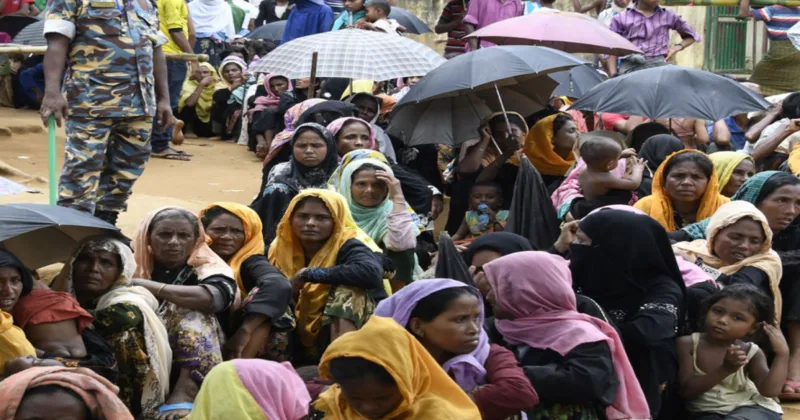
Incidentally, the problem of illegal Rohingya settlements is severe in select areas of the city, with Bhatindi area leading in hosting them. Interestingly, most of the Non Governmental Organisations (NGOs) collecting donations elsewhere are spending them on Rohingya settlements in the Kashmir region.
Another glaring aspect of the problem is that these Rohingyas travel thousands of kilometres from Myanmar up to Jammu. However, travelling another 200 km so that they reach the Kashmir valley does not happen. The NGOs from Kashmir settle them on periphery of the city, forest lands and thus encroach state lands.
This pattern of Rohingya settlements in Jammu has been flagged by different political parties. At one time, posters and billboards against their settlement in Jammu were put up at many places. This had led to communal tensions but things remained under control.
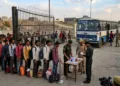
To check the influx of the illegal Rohingyas, the police had rounded hundreds of them at one time. After that, they were transported to Hiranagar in Kathua district and lodged in an open jail. However, this has not proved a deterrent and silent influx has been continuing.
The committee, headed by Justice Prakash Prabhakar Navlekar (Retired), is on a three-day visit to Jammu and Kashmir. The visit is a part of its broader mandate to assess the factors behind demographic changes and examine their social, administrative and security implications. These changes have serious economic consequences for locals as the labour market is badly impacted, besides other deleterious effect on resources.
During the meeting, senior officials of the Union Territory (UT) of Jammu & Kashmir briefed the panel about the presence and settlement of Rohingyas. Besides their infux from Myanmar, the officials also briefed them about suspected Bangladeshi nationals at various locations across the Jammu region.
The committee was apprised of the reported period of settlement, the present status of such populations and the steps taken by the administration and security agencies to monitor and regulate their presence. This is a huge drain on the exchequer as it has been found that the illegal Rohingyas and Bangladeshi settlers have got identification documents like Aadhar, ration cards etc.
The meeting was attended by Chief Secretary Atal Dulloo, Director General of Police Nalin Prabhat, Principal Secretary Home Chandraker Bharti, Divisional Commissioner Ramesh Kumar and Inspector General of Police BS Tuti, besides other senior officers.
Officials brief panel on Rohingyas, Bangladeshis
During the interaction, officials informed the committee that the influx of Rohingyas into Jammu has been contained to the extent possible. They also said that security and intelligence agencies continue to maintain vigilance against any fresh movement from other parts of the country.
The issue of suspected Bangladeshi nationals also figured prominently during the discussions. This was flagged in view of the recent detention of 21 Bangladeshi nationals in Banihal, who were reportedly attempting to travel towards the Kashmir Valley. The officials said that it is likely that earlier also, such attempts were made and these illegal foreigners reached the sensitive Kashmir valley in a surreptitious manner.
The authorities also briefed the panel about the administrative and security measures being undertaken to identify, verify and monitor such populations.
Committee conducting ground assessmens
As part of its field assessment, the committee is visiting Qasim Nagar near Narwal and other areas where Rohingya settlements have been reported. The panel is also expected to visit Muralian, Jagti and other identified locations, besides the possibility of undertaking visits to selected border areas to obtain a first-hand assessment of the situation.
In the past, the Rohingya settlements were found to have sprouted near sensitive areas like Sunjwan military station which has been subjected to repeated terrorist assaults. However, the government land in possession of these illegal aliens was retrieved and they were moved out from some of these locations as their hutments were demolished.
The committee may also interact with civil society representatives, organisations and individuals who have sought an opportunity to place their views before the panel regarding demographic changes and their perceived impact on the Jammu region. The committee is scheduled to conclude its Jammu visit on August 12, following which it will continue its wider assessment.
Nationwide study of demographic changes
The Central Government committee has been tasked with undertaking a comprehensive assessment of demographic changes across different parts of India, including changes linked to illegal immigration and other unusual population movements.
The panel will examine population trends among different religious and social communities, identify factors contributing to demographic changes and assess their social, economic, administrative and security implications.
Based on its findings, the committee will recommend policy, legislative and administrative measures to address issues identified during the course of its study.
Panel has one year tenure at present
The committee comprises the Census Commissioner, retired IAS officer Durga Shankar Mishra, retired IPS officer Balaji Srivastava, economist Dr Shamika Ravi and the Joint Secretary (Foreigners-I), Ministry of Home Affairs, who is serving as Member Secretary.
The panel has been assigned a one-year tenure, which can be extended by another six months. It will submit its findings and recommendations to the Union Ministry of Home Affairs.
As part of the nationwide exercise, the committee is also expected to visit West Bengal, Assam and several parts of the North-East, besides other States and Union Territories, to undertake a broader assessment of demographic developments and migration-related concerns.