
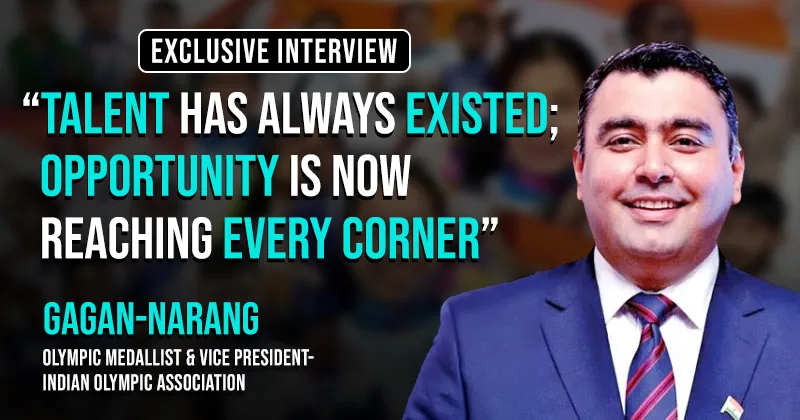
Following India’s remarkable performance at the Commonwealth Games 2026, Gagan Narang, Olympic bronze medallist, Vice President of the Indian Olympic Association and Director of the National Olympic Academy, had a freewheeling conversation with Organiser Sub-editor Yatharth Sikka on India’s sporting transformation, emerging talent, grassroots development, preparations for future Games and the nation’s Olympic ambitions. Excerpts:
India has delivered another scintillating performance at the Commonwealth Games 2026 despite a leaner sports programme. How do you assess the overall campaign?
I think it was a very good campaign for India. The medal tally is one part of the story, but what pleased me most was the way our athletes competed. There was confidence, discipline and a willingness to take on the best. We also saw a number of young athletes perform well under pressure. That is a positive sign because it shows we have a strong pipeline coming through. Every major event gives you lessons and there are always areas where we can improve, but overall, I believe Indian sport is moving in the right direction.
This edition witnessed several young athletes making a lasting impression on the international stage. How encouraging is this new generation?
It is very encouraging. This generation has grown up watching Indian athletes succeed on the world stage, so they carry a different kind of belief. They don’t see international competition as something to fear. They have also had better access to coaching, sports science and international exposure. Our responsibility now is to make sure they continue getting the support they need so they can develop over the next few years.
Champions are increasingly emerging from Tier-II, Tier-III cities and rural India. What has driven this transformation?
Talent has always existed across the country. The difference today is that more opportunities are reaching young athletes wherever they come from. We have seen better grassroots competitions, more academies and greater awareness among parents. There is still work to do, especially in coaching and infrastructure, but we are seeing talented youngsters from smaller towns getting the platform they deserve.
Over the past decade, India has witnessed a remarkable transformation in its sporting culture. What has been the key reason behind this shift?
I don’t think there is one single reason. It has been a combination of Government support, better infrastructure, corporate involvement and the success of Indian athletes, who have inspired the next generation. I have also noticed that parents are much more open to sports as a career today than they were earlier. That is a big change. Going forward, we need to make sports a regular part of school and community life so that more children can grow up playing and competing.
” Parents are much more open to sports as a career today than they were earlier. That is a big change. Going forward, we need to make sports a regular part of school and community life so that more children can grow up playing and competing”
Which Government initiatives have made the biggest difference, and where is there still
room for improvement?
Programmes like Khelo India and TOPS have certainly helped. They have created opportunities at both the grassroots and elite levels. At the same time, we need to keep strengthening the system. We need more qualified coaches, better competition at the school and university level and stronger support for athletes throughout their careers. Success comes from building good systems over many years.
How can India bolster its school and university sports structure?
Schools and universities are where sporting journeys really begin. We need regular competitions, trained coaches and facilities that children can use throughout the year. Education and sports should not be seen as separate. If we can create an environment where students are encouraged to pursue both, we will have a much stronger talent pool in the future.
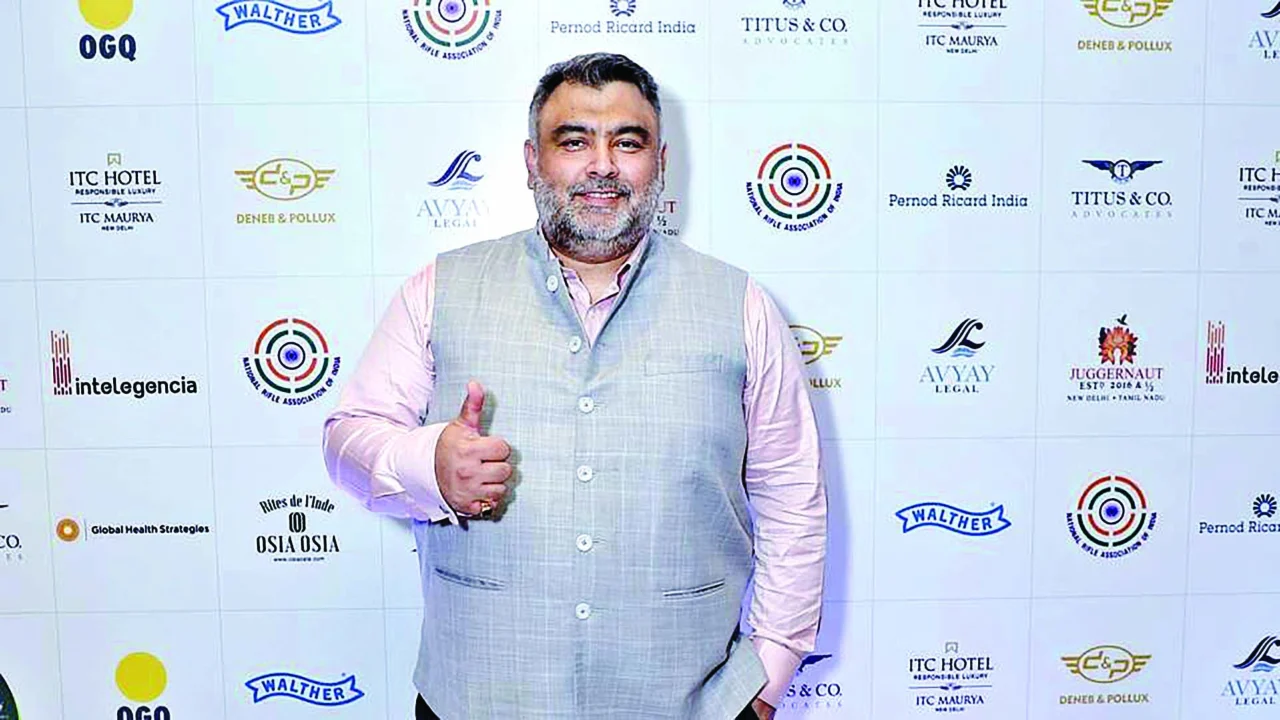
“We have seen better grassroots competitions, more academies and greater awareness among parents. There is still work to do, especially in coaching and infrastructure, but we are seeing talented youngsters from smaller towns getting the platform they deserve”
Even though India is performing well on all international formats, we can’t afford to be complacent. What steps are needed to compete consistently across a wider range of sports?
The focus has to be on long-term planning. Every sport has different requirements, so we need
sport-specific development programmes instead of expecting the same approach to work everywhere. International exposure, quality coaching and sports science all play an important role. If we continue investing patiently, we will see more sports producing world-class athletes.
Indian women athletes have consistently delivered outstanding performances. What has driven this success?
Our women athletes have shown incredible determination over the years. They have made the most of the opportunities available to them and have inspired millions of young girls across the country. The next step is to make those opportunities available to even more girls, especially at the grassroots level. Access to coaching, safe training environments and family support can make a huge difference.
“Our women athletes have shown incredible determination over the years. They have made the most of the opportunities available to them and have inspired millions of young girls across the country. The next step is to make those opportunities available to even more girls, especially at the grassroots level”
India will host the Commonwealth Games in Ahmedabad in 2030. How significant is this opportunity?
It is a wonderful opportunity for India. Hosting a major sporting event is much more than building stadiums. It gives us a chance to improve infrastructure, develop officials and coaches, inspire young athletes and showcase our ability to organise world-class events. The real legacy should be stronger participation in sports long after the games are over.
Hosting the Commonwealth Games will give us valuable experience in organising a multi-sport event of that scale. It will also give our athletes the chance to compete at home in front of Indian fans. If we use the opportunity well, it can strengthen both our sporting systems and our confidence ahead of future Olympic ambitions.
As Vice President of the IOA and Director of the National Olympic Academy, what are your immediate priorities? Having been both an athlete and an administrator, what reforms are still needed?
My priority is to keep the athlete at the centre of everything we do. We need stronger coaching programmes, better use of sports science, closer coordination between different organisations and a clear pathway for talented athletes from the grassroots to the highest level. Building strong institutions is just as important as winning medals.
Having experienced both sides, I feel athletes need to have a stronger voice in the system. Decisions should always be made with their interests in mind. We also need professional administration, transparency and long-term planning. These may not always make headlines, but they are essential if we want sustained success.
In anticipation of Los Angeles 2028 and beyond, what should be our long-term strategy to consistently finish among the world’s leading sporting nations?
We have built strong foundations in shooting, archery, badminton, wrestling, boxing, hockey and athletics, and I believe we will continue to do well in these games. At the same time, I think we should avoid putting pressure on athletes by talking only about medals. If we keep improving our system and preparing well, the results will take care of themselves.
What message would you like to give to young athletes, especially those from small towns and villages?
Never think your background decides your future. Talent can come from anywhere. Stay patient, work hard and don’t be discouraged by setbacks. Every athlete faces challenges, but those who keep learning and improving eventually find new opportunities. Most importantly, enjoy the journey. If you love what you do and stay committed, good things will follow.