
When the Indian contingent left for Glasgow for the 2026 Commonwealth Games , sports fans across the country were uncertain about what lay ahead. The concerns were understandable. Unlike previous editions, the Glasgow Games featured a much smaller sports event, with several of India’s strongest medal-winning disciplines, including wrestling, shooting, hockey and badminton not included. Since these sports have historically contributed the bulk of India’s Commonwealth medals, many expected the country’s medal tally to take a significant hit.
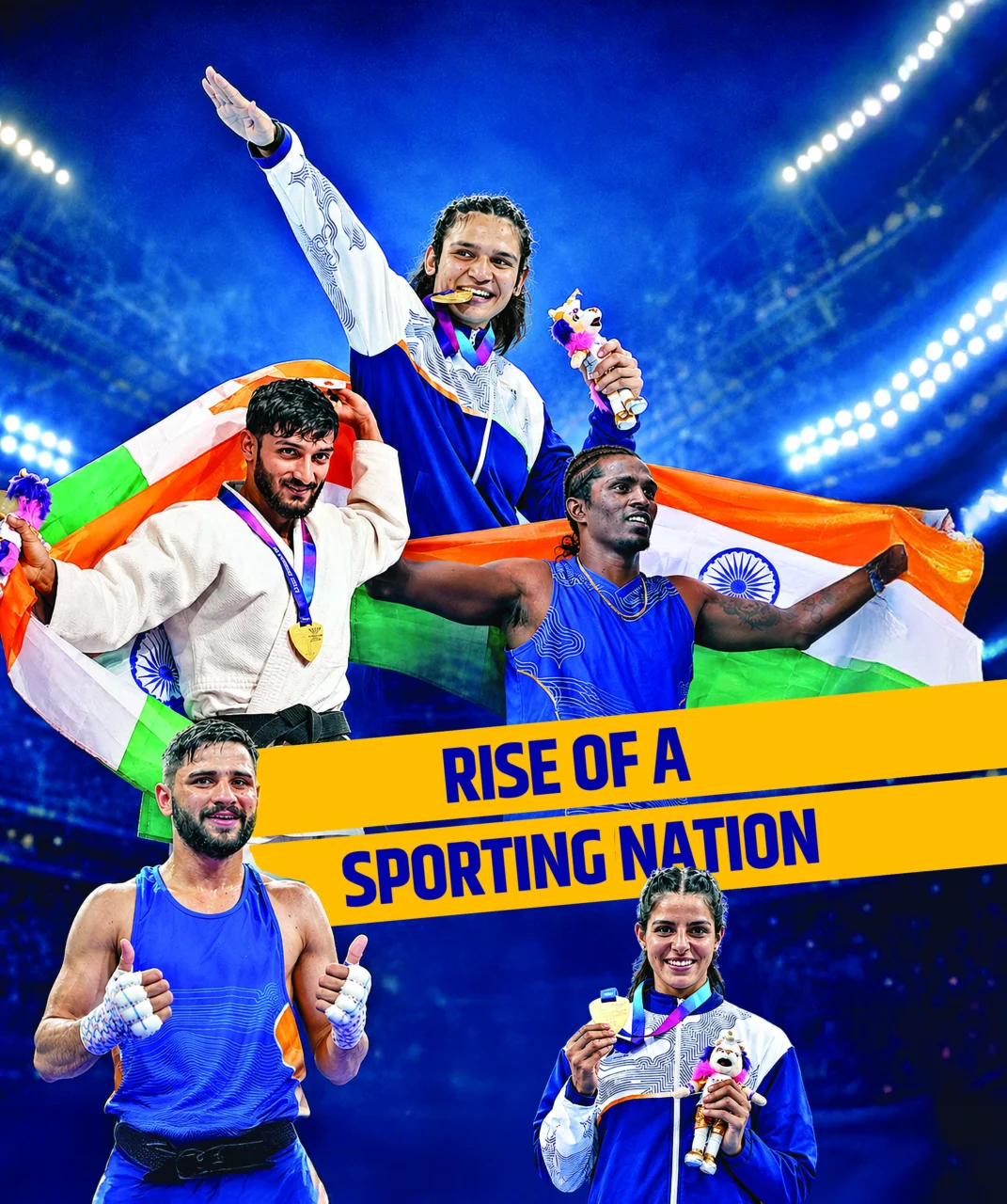
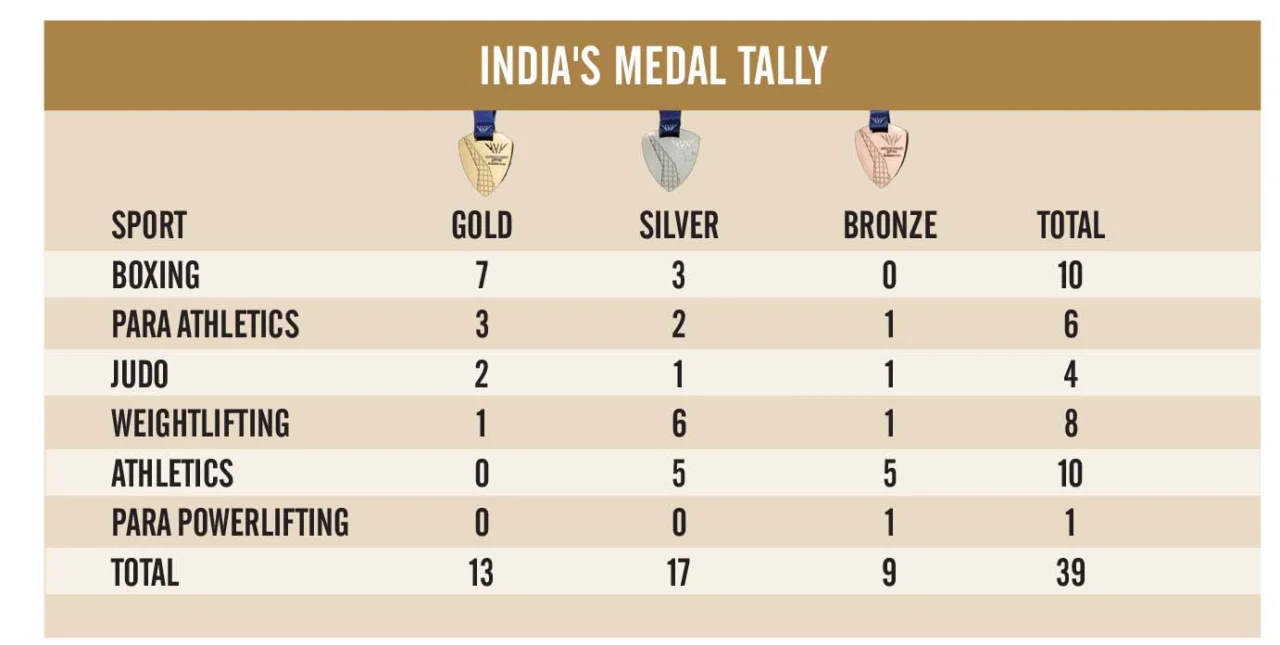
However, the Indian contingent proved that success is no longer dependent solely on traditional sports. India finished fourth in the overall medal standings with an impressive haul of 39 medals including 13 gold, 17 silver and 9 bronze. More importantly, the campaign demonstrated that Indian sport has evolved beyond reliance on a few traditional disciplines. Athletes from boxing, athletics, judo, para-sports and other events stepped up with exceptional performances.
Notably, the games were initially supposed to be held in Australia. But in 2023, just three years before the event, the state of Victoria withdrew citing escalating costs. Getting an alternate host at such a short notice was difficult till the Scottish city stepped in. However, the host warned that the limited time of just three years was not enough to plan and put up a full-scale event.
One of the most encouraging aspects of India’s campaign was the performance of young athletes. Many of them were competing in their first Commonwealth Games, yet they showed remarkable confidence. Instead of being nervous, they embraced the challenge and competed with full confidence. Several youngsters reached the podium, while many others narrowly missed medals but gained valuable international experience.
Boxing: Biggest Strength
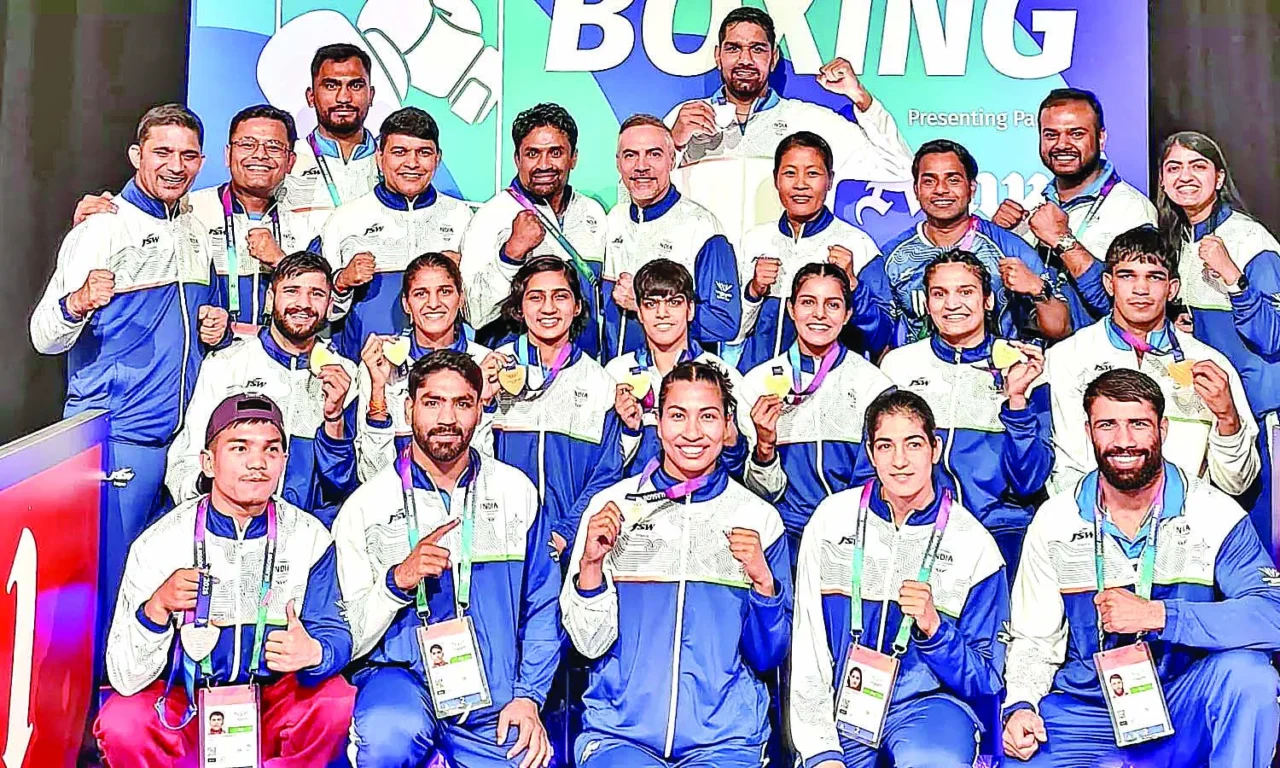
The biggest highlight of India’s campaign was boxing. Indian boxers enjoyed their best-ever Commonwealth Games, winning 10 medals, including seven gold and three silver. It was a clear sign that India has become one of the strongest boxing nations in the Commonwealth.
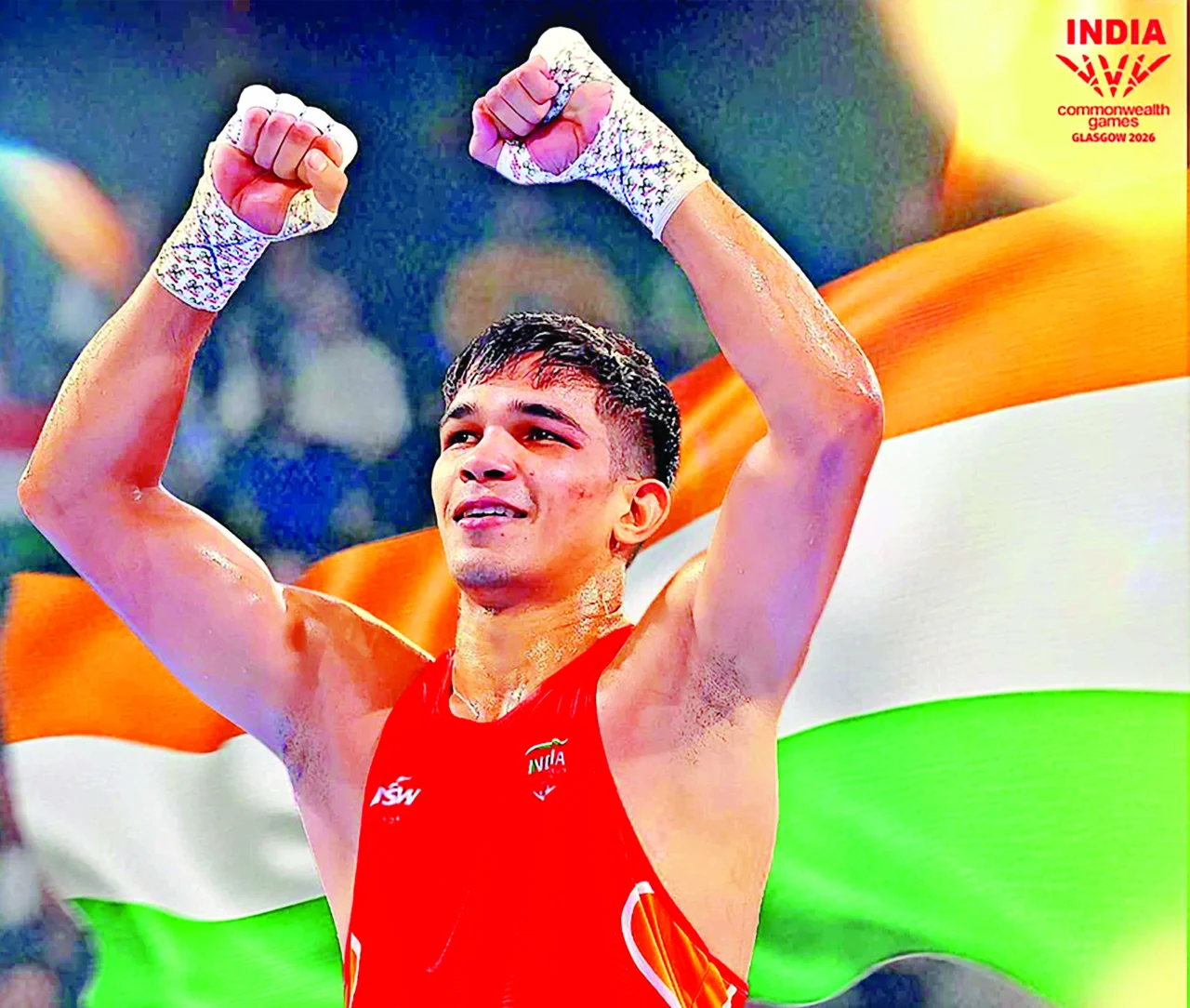
Young boxer Sachin Siwach continued his impressive rise by winning the gold medal in the men’s 60kg category. He remained calm throughout the tournament and produced confident performances in every bout. Similarly, Ankush Panghal also impressed everyone by winning gold in the men’s 80 kg event. His smart tactics and belligerent style helped him dominate the competition.
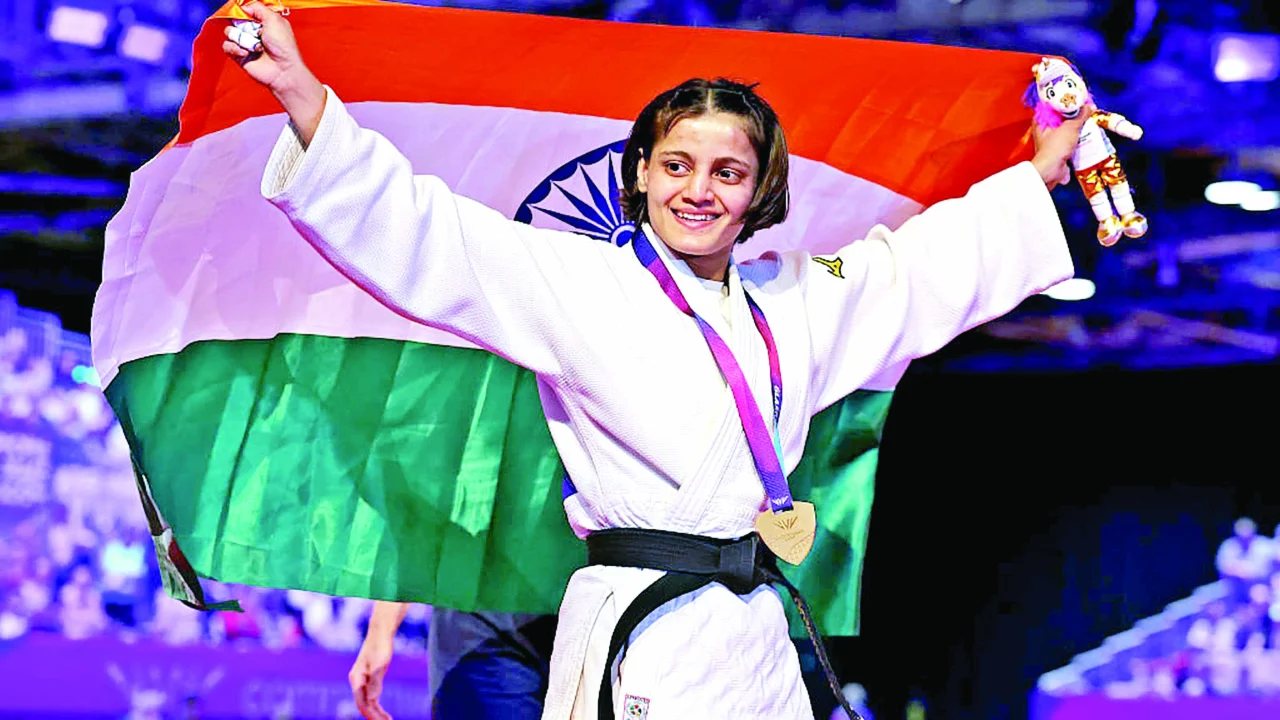
In the women’s competition, Sakshi Chaudhary produced one of India’s finest performances. She trounced England’s Ruby White in the final to win the gold medal despite competing in front of a home crowd.
Veteran boxer Lovlina Borgohain once again demonstrated why she is among India’s best by winning a silver medal. Heavyweight boxer Narender Berwal also fought brilliantly and finished with silver after reaching the final of the men’s 90+ kg category. Together, these performances made boxing India’s most successful sport in Glasgow.
Chanu: Cynosure of all eyes
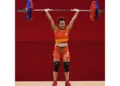
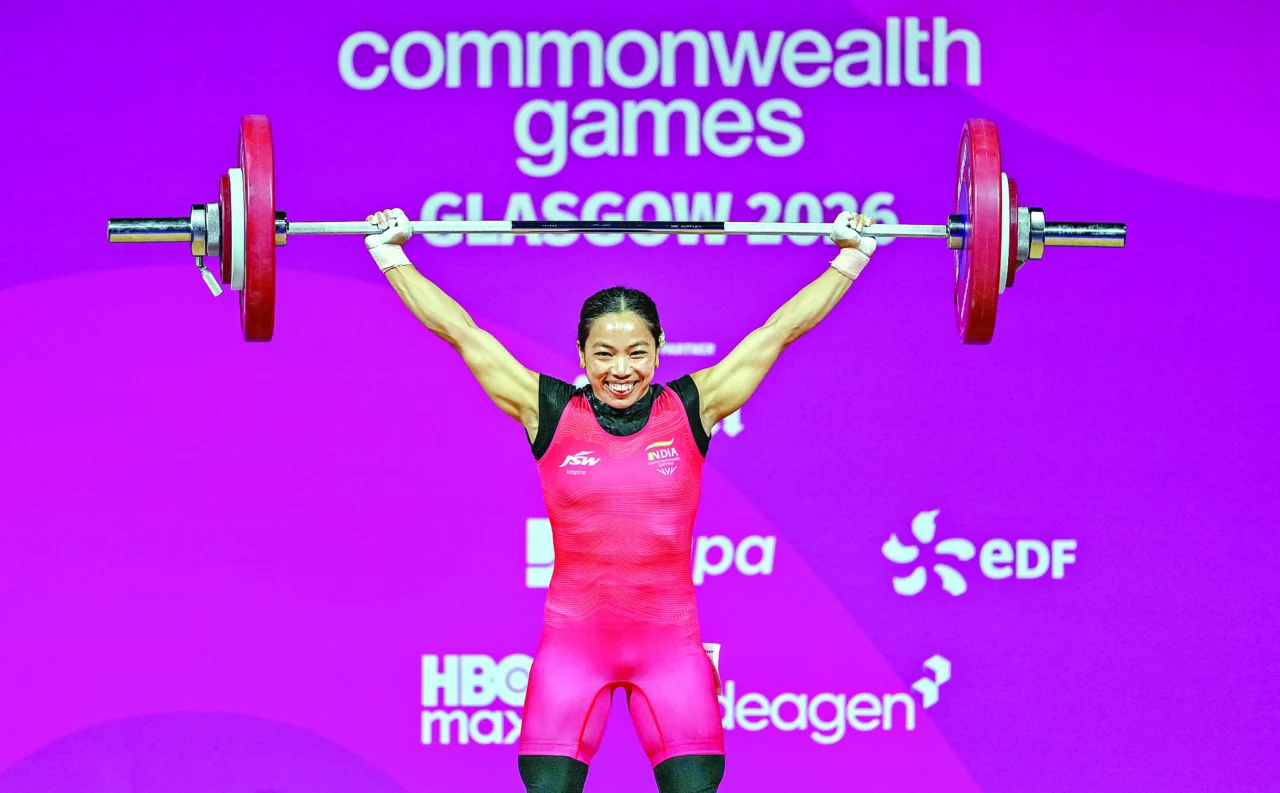
Whenever India competes in weightlifting, all eyes are on Mirabai Chanu. Once again, she lived up to expectations. The Olympic silver medallist won her third, consecutive Commonwealth Games gold medal, proving that she remains one of India’s most consistent athletes. Her victory inspired the entire Indian contingent and added another memorable chapter to her remarkable career.
India surpassed the big hurdle
India’s medal tally at the 2026 Commonwealth Games was lower than in recent editions, but the numbers do not tell the complete story. The games was initially supposed to be held in Australia. But in 2023, just three years before the event, the state of Victoria withdrew citing escalating costs. Getting an alternate host at such short notice was difficult till the Scottish city stepped in. Hence, the Glasgow Games featured a much smaller programme, with only 10 sports, compared to previous editions that included over 20 sports. This time only 122 athletes participated compared to 210 four years ago. Several sports like wrestling, shooting, badminton, hockey, table tennis that have traditionally contributed a large share of India’s medals were not part of the Games. These games alone have accounted for dozens of medals in past Commonwealth Games. As a result, India’s opportunities to win medals were naturally reduced. Despite these limitations, India finished fourth with 39 medals, producing one of its most impressive campaigns in recent years.
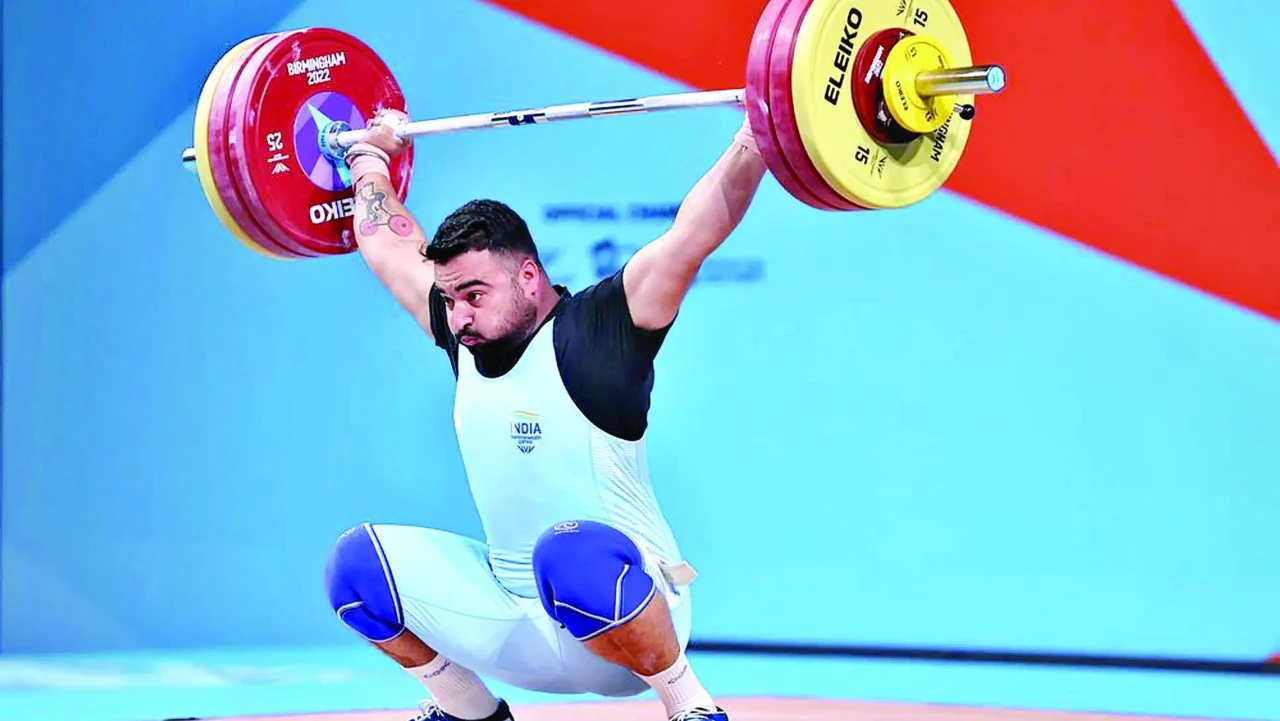
Other Indian weightlifters also performed well and added eight medals including one gold, six silver and one bronze to India’s overall tally, making weightlifting one of the country’s most dependable sports.
Athletics Continues to Grow
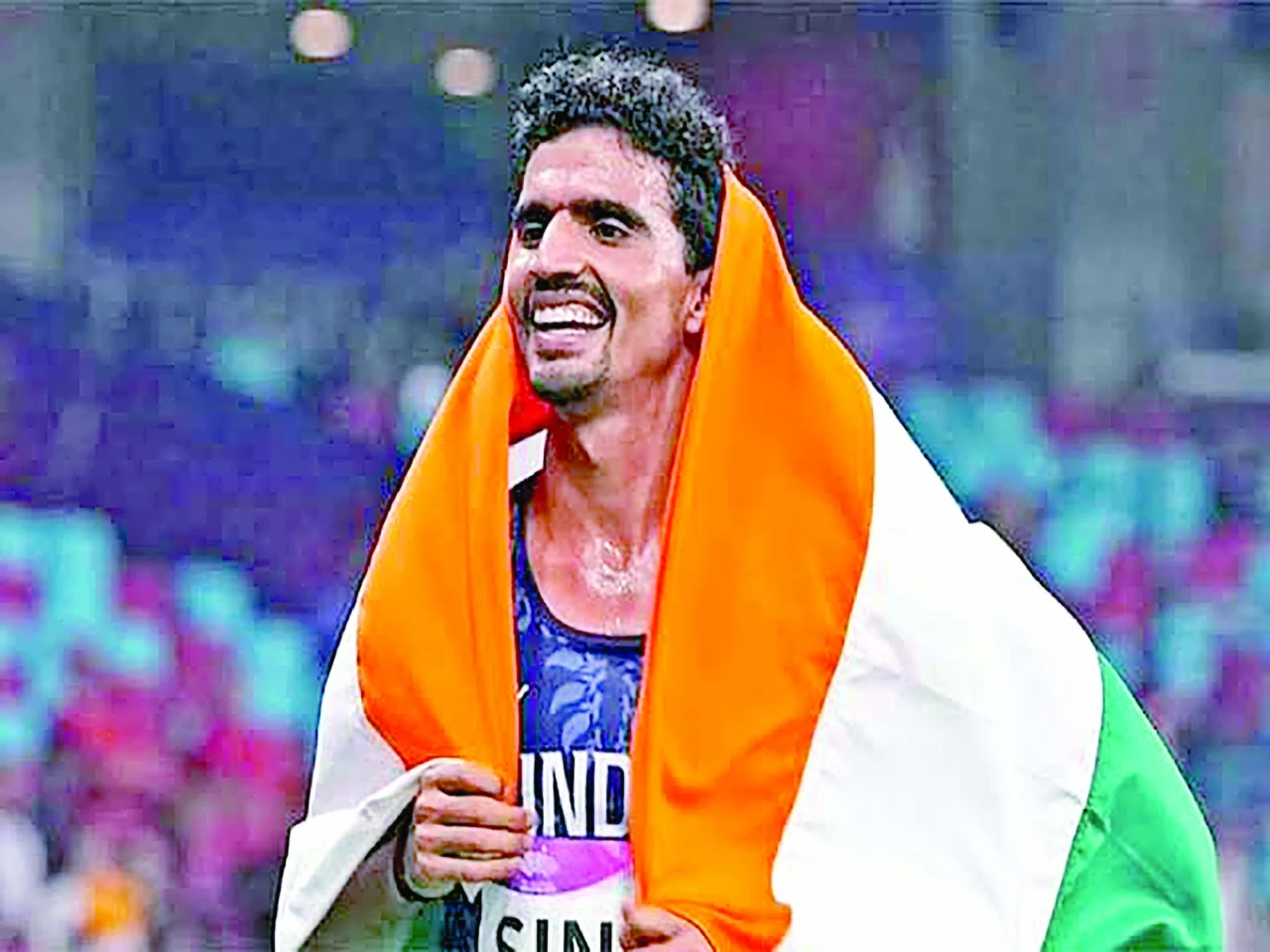
Indian athletics has improved steadily over the last few years and Glasgow 2026 Commonwealth Games provided more proof of that progress. In athletics India won 10 medals, including five silver and five bronze. Distance runner Gulveer Singh emerged as one of India’s biggest stars by winning two medals in Men’s 10,000m and 5000m category. His performances showed that Indian athletes are now capable of competing successfully even in demanding endurance events.
The biggest highlight of India’s campaign was boxing. Indian boxers enjoyed their best-ever Commonwealth Games, winning 10 medals, including seven gold and three silver. It was a clear sign that India has become one of the strongest boxing nations in the Commonwealth
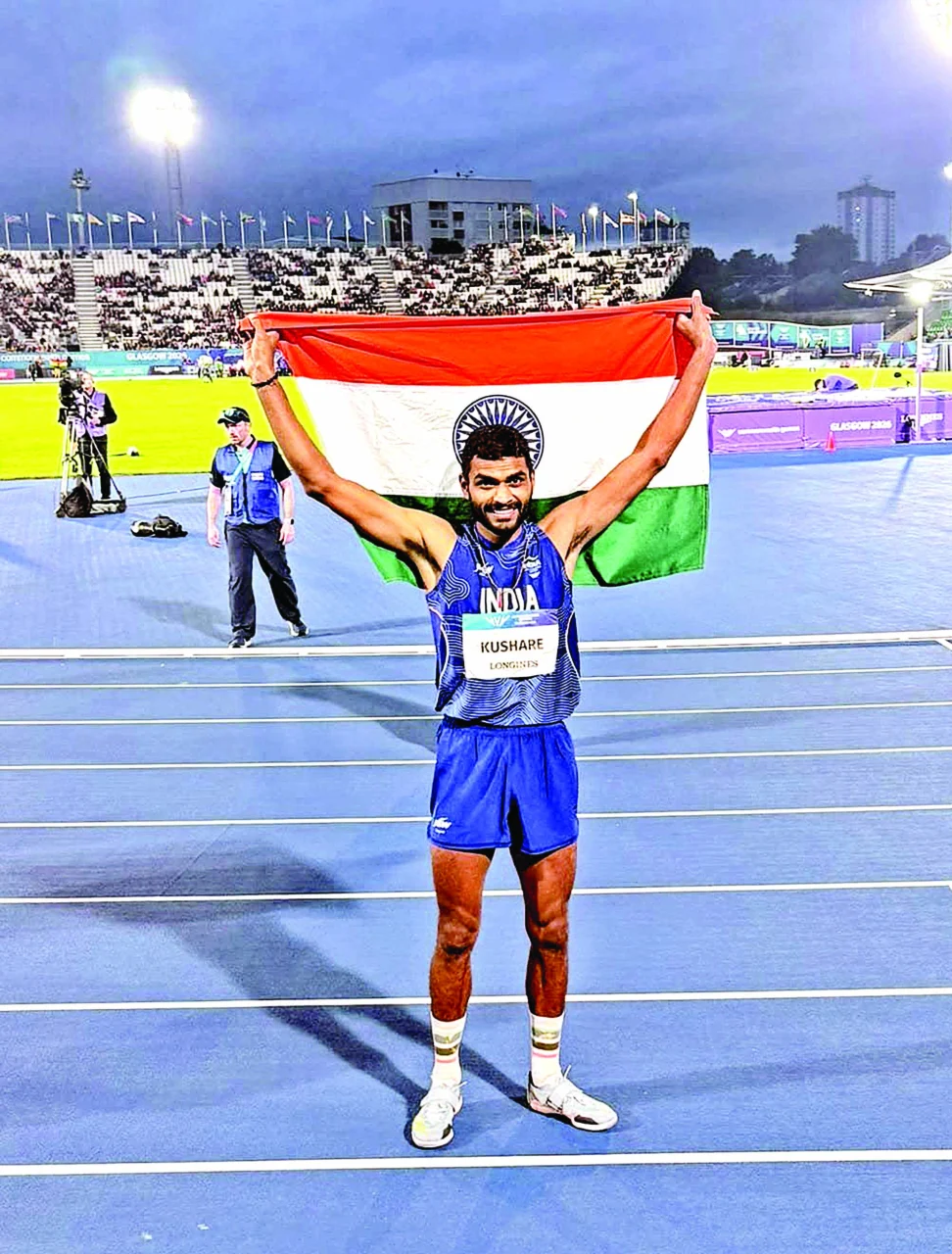
Another memorable achievement came from Tejaswin Shankar, who won a bronze medal in the decathlon. Sarvesh Kushare won silver in the men’s high jump, Murali Sreeshankar won silver in the men’s long jump, Neeraj Chopra won silver in the men’s javelin throw with a season-best effort of 85.83 m, and Praveen Chithravel won silver in the men’s triple jump. Seema Kaliramna won bronze in the women’s discus throw, Yashvir Singh claimed bronze in the men’s javelin throw with a best effort of 85.41 m, and Selva Prabhu Thirumaran won bronze in the men’s triple jump.
Judo Surprises Everyone
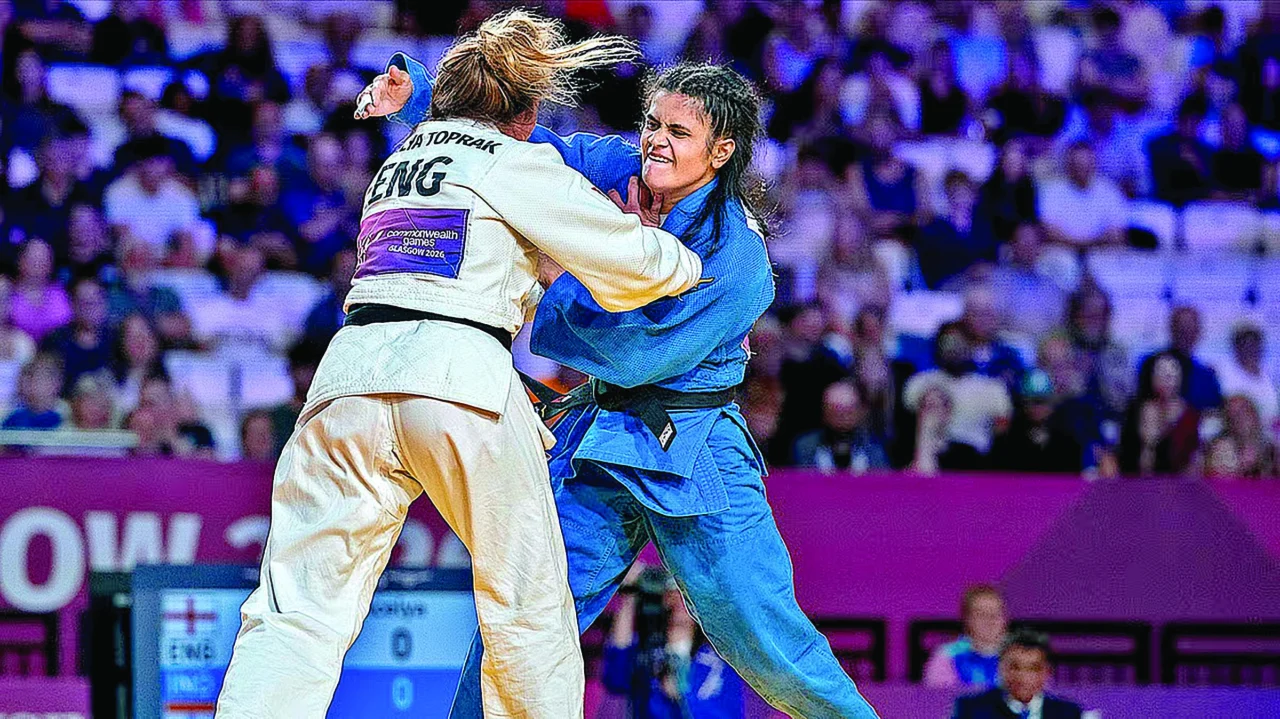
Judo turned out to be one of India’s biggest success stories in Glasgow. Indian judokas won important medals and consistently challenged some of the strongest competitors in the tournament. Their exemplary performances indicated that India is making progress in sports that were once considered difficult at the international level. Young Asmita Dey announced herself on the international stage by winning the gold medal in the women’s 48kg category, while Harsh Singh clinched gold in the men’s 60kg event, underlining the promise of India’s next generation of judokas. Yamini Mourya fought with great determination to claim the silver medal in the women’s 57kg category, and Unnati Sharma added another podium finish by winning bronze in the women’s 63kg event. Their performances not only contributed valuable medals to India’s tally but also signalled a bright future for Indian judo.
Seven medals, several stories
India’s para-athletes delivered their finest-ever Commonwealth Games performance in Glasgow, winning a historic seven medals: three gold, two silver and two bronze. Their outstanding performances played a significant role in India’s overall campaign and underlined the country’s growing strength in para sports.
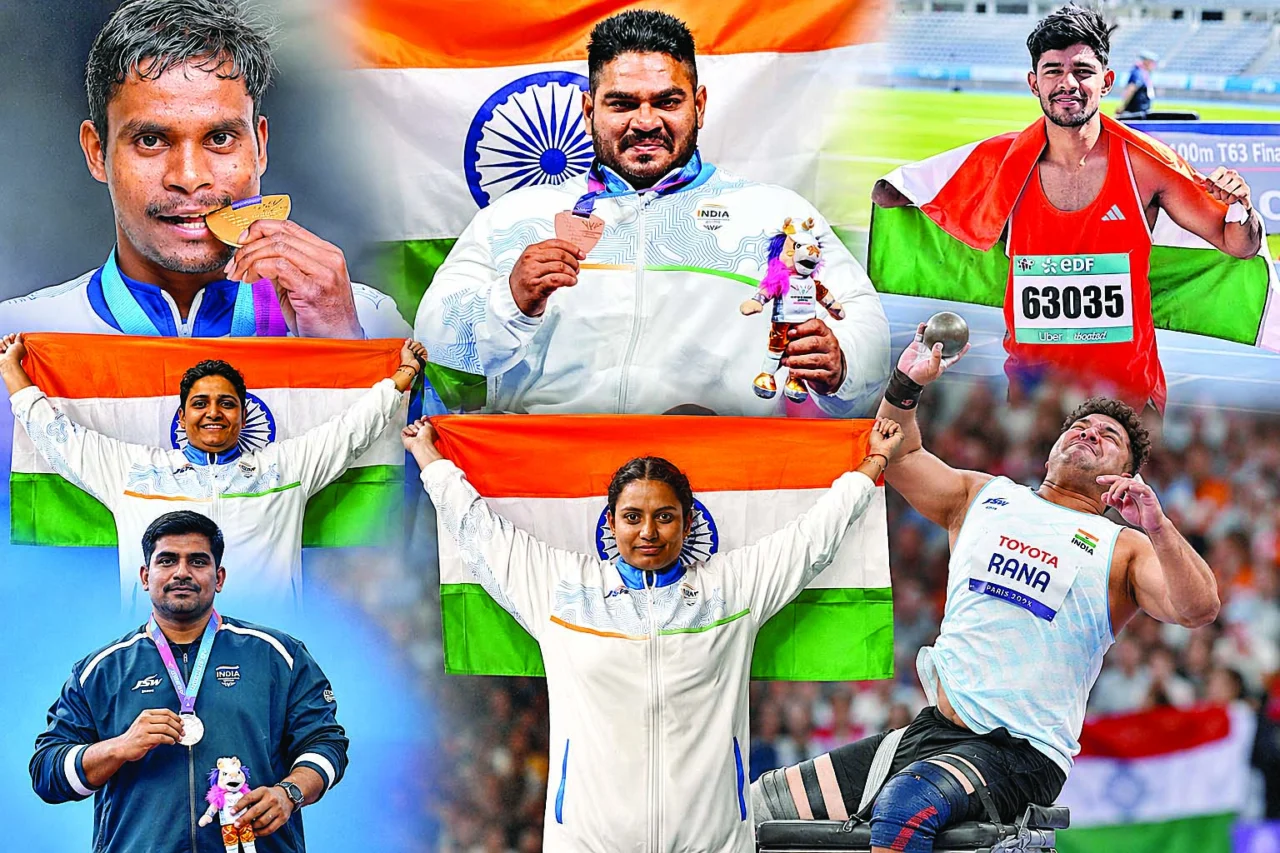
Sharmila Dhankar created history by becoming India’s first-ever Commonwealth Games para-athletics gold medallist after winning the Women’s F57 Shot Put. In the Men’s F57 Shot Put, Shubham Juyal won the silver medal, while Soman Rana added a gold. Dilip Gavit added another gold by winning the Men’s T47 100m, while Mohammed Basil claimed silver in the same event.
India also celebrated podium finishes through Jhandu Kumar, who won bronze in Men’s Heavyweight Para Powerlifting, and Shilpa K Shyla, who secured bronze in the Women’s F57 Shot Put. The achievements of these athletes went beyond medals. They showcased extraordinary determination, resilience and excellence, inspiring millions across the country.
One of the biggest highlights of India’s campaign was the emergence of young athletes from small towns and villages. A decade ago, most international sportspersons came from major cities with better facilities. Today, champions are emerging from every corner of the country. Their success shows that talent, hard work and determination can overcome every challenge. These athletes have become role models for millions of young Indians. Their achievements will inspire many more children to take up sports and dream of representing the country on the international stage. The Glasgow 2026 Commonwealth Games will be remembered not just for India’s 39 medals, but for the confidence and belief shown by its athletes.
Game-Changing Professional Leagues
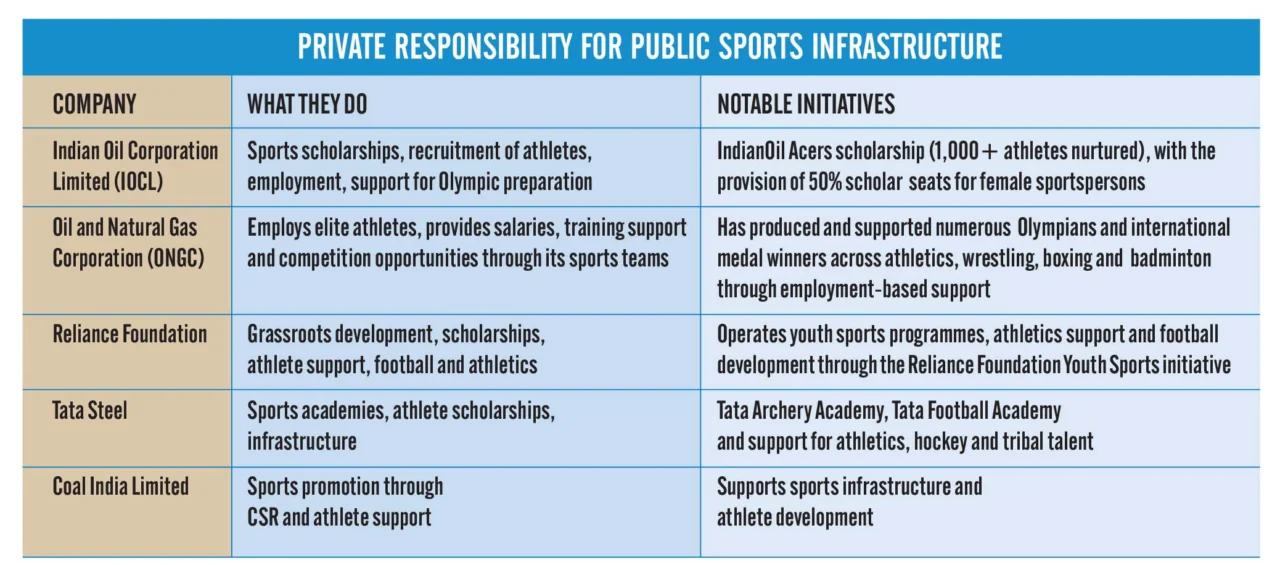
The success of the Indian Premier League (IPL) transformed the commercial landscape of Indian sport, demonstrating how franchise-based leagues can attract investment, fans and global attention. Inspired by the IPL model, leagues such as the Pro Kabaddi League, Indian Super League, Premier Badminton League and Ultimate Table Tennis have professionalised their respective sports, expanded television audiences and created sustainable career opportunities for athletes beyond cricket. These leagues have also encouraged private investment in coaching, talent scouting and sports infrastructure, accelerating India’s transition into a multi-sport nation.
The Pro Kabaddi League helped stars such as Pardeep Narwal, Pawan Sehrawat and Naveen Kumar become household names, while the Indian Super League provided a larger platform for footballers like Sandesh Jhingan and Lallianzuala Chhangte. In table tennis, the Ultimate Table Tennis league increased the visibility of players such as Manika
Batra and Sathiyan Gnanasekaran, inspiring greater participation and professional opportunities.
Appreciating the performance of Indian athletes at the Commonwealth Games, Deepa Malik told Organiser, “The achievements of Indian athletes demonstrate that they are no longer competing merely to participate but are entering international events with remarkable confidence and preparation to finish on the podium, signalling a significant shift in India’s sporting standards.”
She also highlighted the outstanding contribution of India’s para-athletes, noting that their performances played a vital role in strengthening the country’s overall standing in the medal tally. As the Games came to a close after eleven memorable days, the focus shifted from Glasgow to Ahmedabad.
Indian Military Creates History
The Indian Army contingent has once again demonstrated why it remains one of India’s strongest sporting institutions, delivering an extraordinary performance at the 2026 Commonwealth Games.
The Indian Army fielded just 20 athletes, yet returned with an incredible haul of 16 medals, achieving an outstanding 80 per cent medal conversion rate. The contingent won eight gold, seven silver and one bronze medal. In addition, two Indian Navy personnel also secured medals. Combined, Army and Navy personnel won 18 of India’s total 39 medals, accounting for nearly 46 per cent of the country’s overall medal tally at the Games.
During the closing ceremony, Olympic champion Neeraj Chopra, IOA President PT Usha and Gujarat Deputy Chief Minister Harsh Sanghavi received the Commonwealth Games flag and ceremonial baton, officially marking India as the host of the 2030 Commonwealth Games. Having previously hosted the Games in New Delhi in 2010, India will become only the second country after Australia to host the Commonwealth Games twice. The handover was more than a ceremony, it symbolised India’s growing place in world sport. With a talented young generation ready to lead, the country now looks forward to welcoming the Commonwealth once again in 2030.