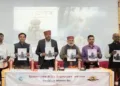
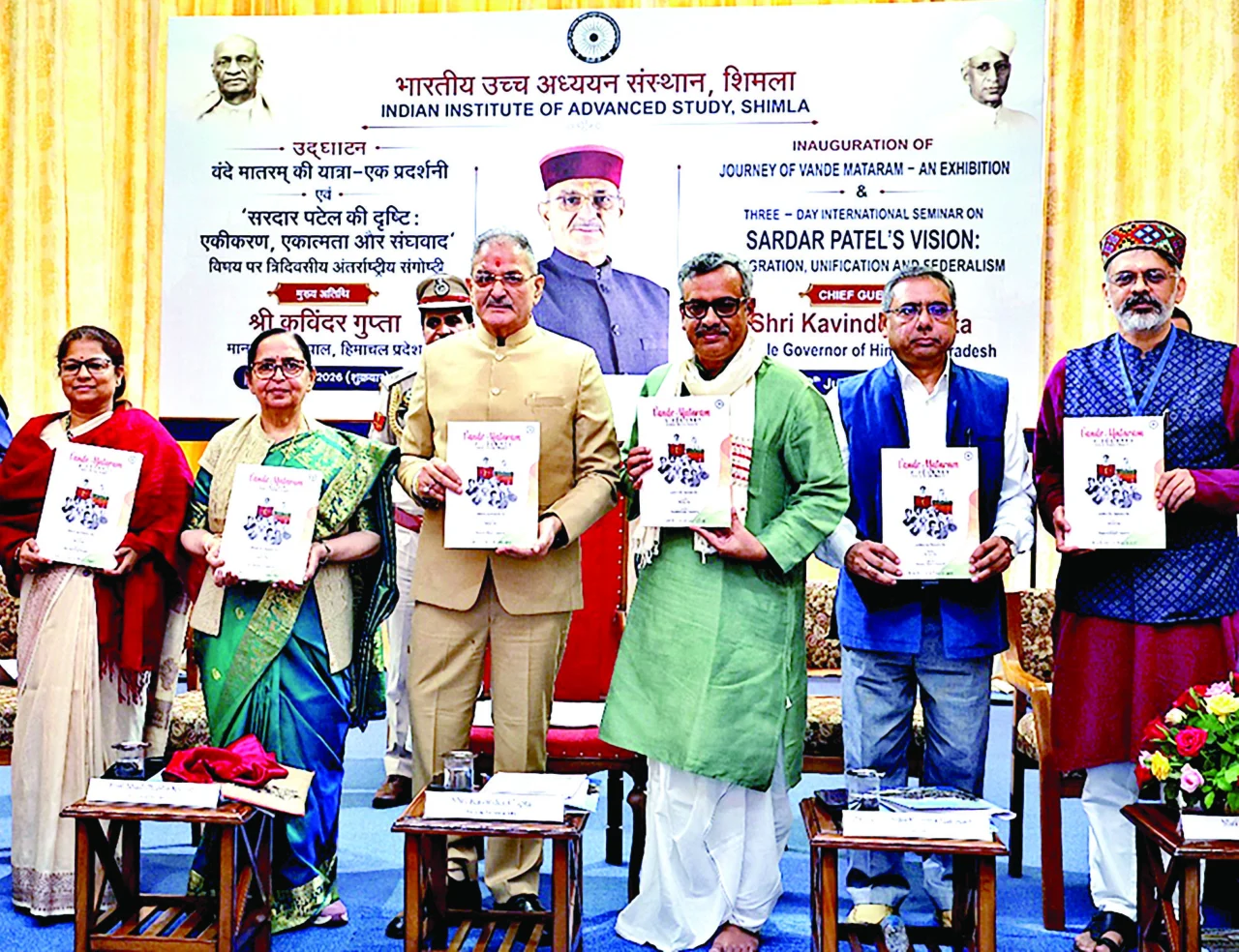
“Vande Mataram was not just a mantra for political freedom; it was a sacred war cry to rid Bharat Mata of vestiges of colonialism,” said PM Narendra Modi, at the completion of 150 years of composition of Vande Mataram. His words echoed with pride at Indian Institute of Advanced Study (IIAS), in Shimla where a three-day international seminar titled ‘Sardar Patel’s Vision: Integration, Unification, Federalism’ was held from July 10 to 12. The seminar brought together academicians, policymakers, researchers, and scholars to engage in informed discussion on Sardar Patel’s contributions to India’s political consolidation and the enduring principles that sustain unity within diversity. An exhibition on ‘Vande Mataram: A Journey’, featuring rare works of the national song, has become pride of place at IIAS.
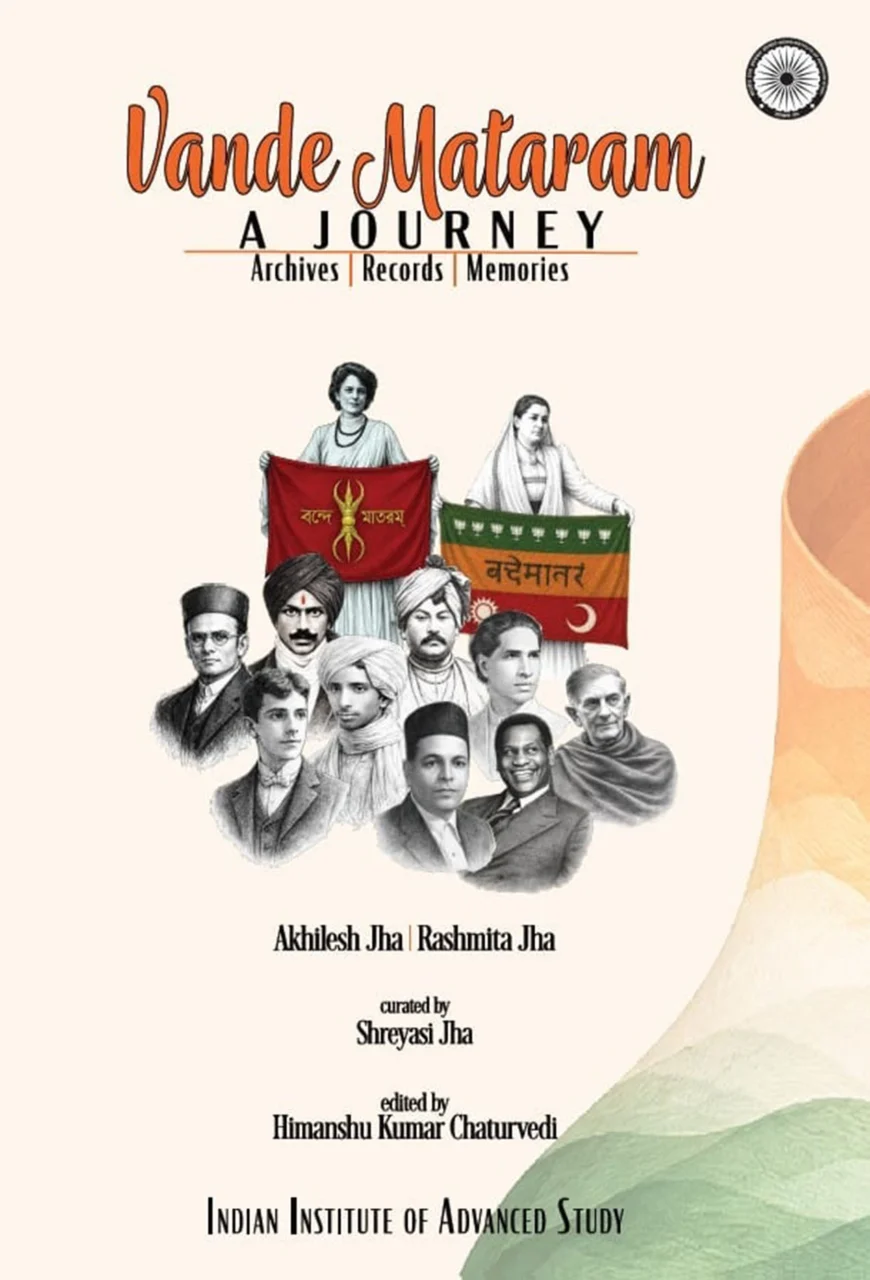
Composed in 1875 by Bankim Chandra Chatterjee, Vande Mataram was best described by Sri Aurobindo as a sacred Mantra connecting a whole nation to the Dharma of patriotism. Rest of the journey of Vande Mataram is a hidden treasure which comes alive in a coffee table book, jointly authored by Shri Akhilesh Jha and Smt. Rashmita Jha, which was released on the occasion.
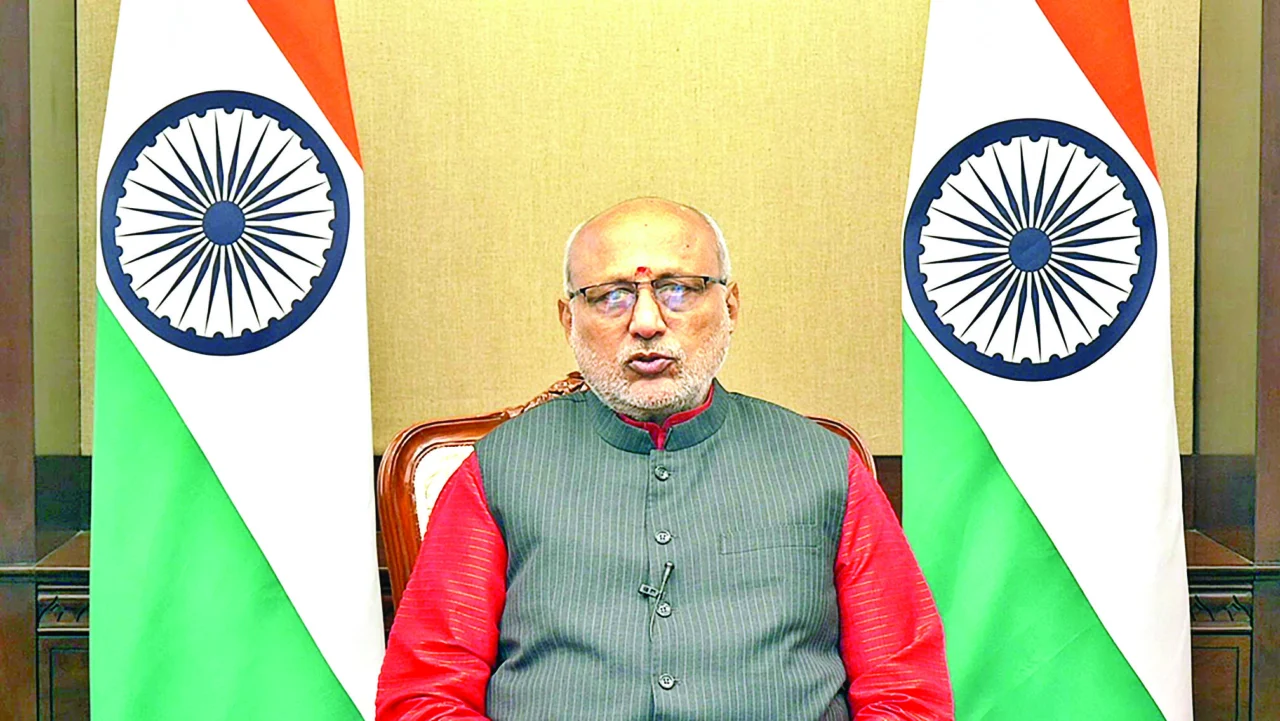
In his virtual address, Vice President CP Radhakrishnan described Vande Mataram as not just a bunch of words but as a symbol of courage, sacrifice, and hope. He reminded the audience that a nation can only become great through ideas. “Our freedom struggle ignites Bharatiyas for the Dharma of nationalism, across the region, language, we share the dream of freedom, same struggle, same nationhood. We didn’t just remember history, we reconnected through it.”
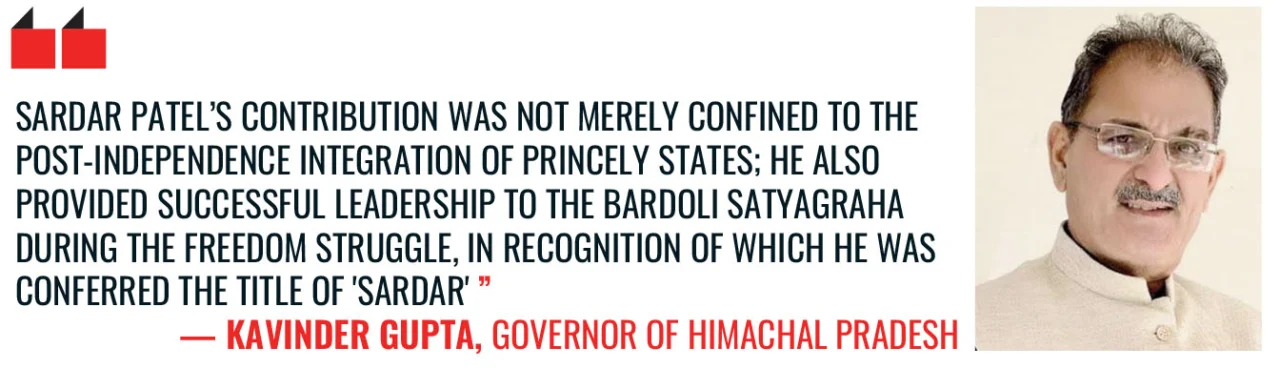
In his spirited address, Governor of Himachal Pradesh, Shri Kavinder Gupta, emphasised that Vande Mataram infused a profound spirit of consciousness among Indian masses. He further stated that whenever the history of Indian unity is written, the name of Sardar Patel will undeniably be inscribed in golden letters. “Sardar Patel’s contribution was not merely confined to the post-Independence integration of princely states; he also provided successful leadership to the Bardoli Satyagraha during the freedom struggle, in recognition of which he was conferred the title of ‘Sardar’. He highlighted that Sardar Patel was not only the architect of integration but also a staunch proponent of Indian federalism.
Sardar Patel the “Iron Man of India,” was immensely popular because of his realistic political philosophy, rooted in nationalist ideals, anti-colonial resistance, and a commitment to social reform, His pragmatic approach to governance, emphasis on administrative cohesion, and firm belief in a strong yet cooperative Centre–State relationship remains deeply relevant to India’s democratic and federal framework even today. Therefore, the seminar examined Sardar Patel’s vision of national integration, unification, and federalism as a foundational framework of contemporary India.
Chaired by Prof. Heeraman Tiwari, Chairperson, Centre for Humanities and Social Sciences, Jawaharlal Nehru University, Session 1 saw, Prof. Veenu Pant, Professor and Former Head Department of History Sikkim University Gangtok, presenting her paper on ‘Maniben Patel: Reflections on Challenges to Sardar Patel’, where she opened a new window on the importance of personal sources to rewrite the history which are neglected up to now. Maniben’s diary played an important role in understanding Sardar Patel because she was the one who was fortunate to witness all the discussions.
Chaired by Shri Prafulla Ketkar, Editor, Organiser, Session 2 was a knowledgeable exercise. Prof. Himanshu Kumar Chaturvedi Director Indian Institute of Advanced Study Shimla, was the first paper presenter of the session which raised contemporary issues related to Hyderabad controversy which came into light after the BBC report in 2014. He explained why the Sundarlal committee report was not published earlier but now. And about the Army’s humanitarian assistance to the committee and the brutality of Razakars. Even though Muslims were demographically less in number but still Navab tried to Urduise the State and then Arya Samaj came in the front to contempt the Urdu and to establish the vernacular language. He also established the link between MIM and Communist party, how Sardar banned both and later on the party was turned into AIMIM. Prof. Heeraman Tiwari Chairperson Centre for Humanities and Social Sciences Jawaharlal Nehru University, interpreted the reconstruction of the Somnath Mandir under the leadership of Sardar Vallabhbhai Patel as a significant act of civilisational memory and cultural reaffirmation. He examined differing perspectives of Patel and Jawaharlal Nehru regarding the reconstruction of Somnath Mandir.
Chaired by Dr. Aayushi Ketkar, Assistant Professor, Special Centre for National Security Studies (SCNSS), JNU, Session 3 saw Prof. Kundan Singh Professor at Sofia University USA, emphasising on contribution of unsung sages who helped with their intuitions to predict the happenings and misshaping in the freedom struggle. He gave more emphasis on Sri Aurobindo who wrote the letter to Sardar Patel. He also suggested that the writing of Aurobindo should come out in the main academic discourse to clear the blurry picture of the freedom movement. Prof. Lavanya Vemsani School of Social sciences, Shawnee State University, Ohio, USA, added that all the women sent auspicious threads to Sardar Patel when he came to interfere in the State. The researcher demonstrated how the Nizam of Hyderabad made unsuccessful attempts to maintain an independent existence through external forces (such as the British, Pakistan, and the Ottoman Caliphate) and internal mechanisms of violence via the ‘Razakars’. Ultimately, the intervention of the Government of India under the leadership of Sardar Patel became the primary catalyst for the State’s liberation.
Session 4 was chaired by Dr. Manoj Sharma, Member Secretary, Indian Council of Historical Research (ICHR), New Delhi. The first Research Paper was presented by Dr. Christo Doss, Centre for Historical Studies, Jawaharlal Nehru University (JNU). Presented on ‘Sardar Patel: A Builder of Modern India’, Dr. Doss critiqued the oversimplification and ideological biases present in the historical portrayal of Sardar Patel. Chaired by Professor S. Ranganathan, Fellow IIAS, Session 6 saw Dr. Ankush Bhardwaj, Department of History, Himachal Pradesh University, Shimla, presenting his paper on “Nehru and the Kashmir Question: Re-assessing the Debates”. Dr. Bhardwaj analysed the conflict between Nehru’s idealism and Patel’s realism regarding the Kashmir issue, alongside a critical examination of Article 370 and its contemporary ramifications.
Chaired by Prof. R. C. Sinha, session 7 saw Dr. Pratik Kumar, Department of History, Ram Lal Anand College, University of Delhi analysing Sardar Patel’s contribution to national integration through the lens of the Statue of Unity, exploring the intersections of historical memory and national identity. AR. Sushant Bharti from Delhi, presented his paper on reconstruction of Somnath Mandir, how he collected the economical resources and how voluntarily people offered the services for the temple reconstruction.
Sessions 8/9 and 10 had 22 papers from various countries and saw participation of researchers. Titles of the papers included ‘We have to take Sardar Patel’s vision to maintain our integration’, ‘Sardar is not just a political figure as a father, as a nation builder, as a diplomat, as a concerned person about internal and external security’ and ‘Sardar Patel and Nehru and other contemporary leaders were not on the same page of the solution for the existing problems of country’.
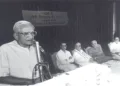
In the Valedictory session, Chief Guest Dr. Justice Swaran Kanta Sharma, High Court of Delhi, delivered a heart-warming speech with her emotional attachment to Partition and historic significance of IIAS which used to be a colonial symbol. She highlighted humanistic views of Sardar Patel and said that Constitution of India is not only for the courts; it is to be there in the heart of each citizen of this country that was the dream of Sardar Patel.