Tamil Nadu Police and the CB-CID have busted a major counterfeit currency ring operating in Chennai. Police suspect the involvement of terror groups in the operation, as some of the accused had reportedly travelled regularly to Pakistan and Malaysia.
"Police action against those involved in illegal activities will continue." https://t.co/s5X9RbMyUB
— Tamil Nadu Police (@tnpoliceoffl) July 17, 2026
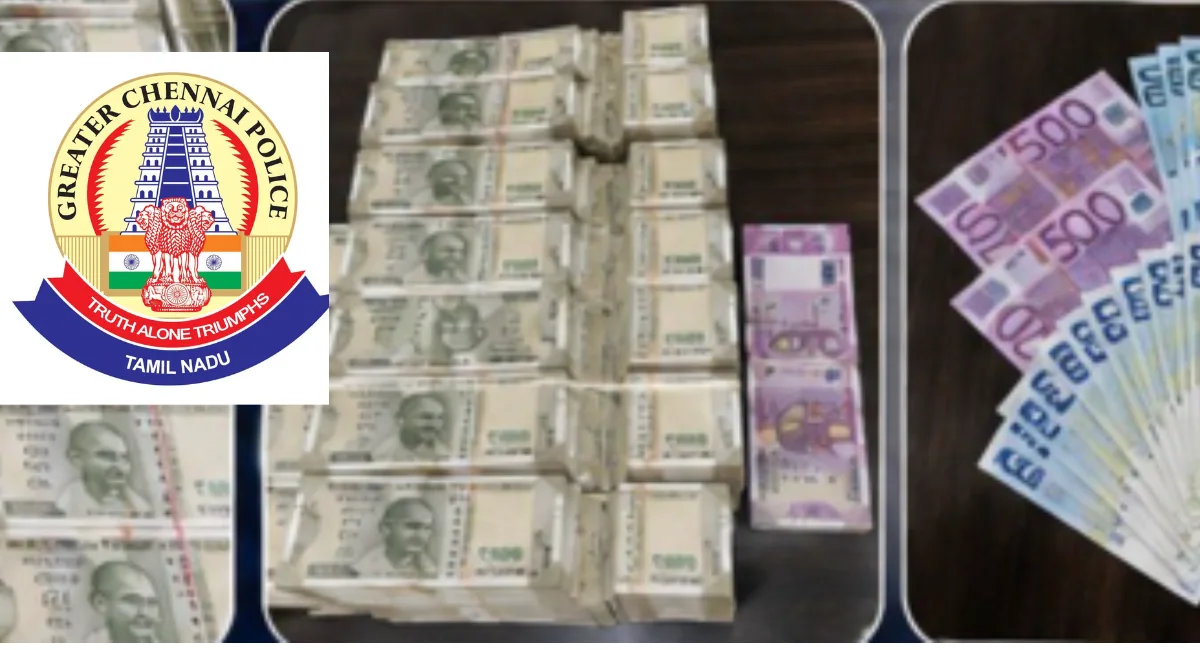
Earlier this month, police arrested Shafeeq Rahman while he was hiding in a lodge in Triplicane on July 15 with counterfeit currency. Counterfeit notes worth Rs 11 lakh, cash amounting to Rs 11,21,300, €25,000 in Euro currency, and two mobile phones were seized.
சென்னை திருவல்லிக்கேணியில் உள்ள தங்கும் விடுதியில் பதுக்கி வைக்கப்பட்டிருந்த ரூ.11 லட்சம் மதிப்பிலான 500 ரூபாய் கள்ளநோட்டுகளை போலீசார் நேற்று பறிமுதல் செய்தனர். இதுதொடர்பாக தற்போது தீவிர விசாரணை நடைபெற்று வருகிறது.#SSNews #FakeCurrency #CounterfeitNotes #PoliceRaid #CrimeNews pic.twitter.com/bTLrzErr7q
— SS News Digital (@SSNEWSDigital) July 17, 2026
Police recovered bundles of counterfeit Rs 500, Rs 200 and Rs 100 currency notes worth Rs 11 lakh. Based on information obtained from Rahman, Ravichandran (41) of Thanjavur was arrested. Police seized Rs 22.79 lakh in cash, counterfeit notes worth Rs 7,500, and 13 passports from him.
#NewsUpdate | சென்னை: திருவல்லிக்கேணி பகுதியில் கள்ள நோட்டுகள் வைத்திருந்த வழக்கில் மலேசியாவைச் சேர்ந்த இருவர் கைது#SunNews | #Chennai | #FakeCurrency | #Crime pic.twitter.com/Rp9bFzN2gc
— Sun News (@sunnewstamil) July 17, 2026
Meanwhile, police arrested a couple, including a Malaysian national, on July 16. Police seized mobile phones and passports from the couple, identified as Bhuvaneswari (48) and Ravichandran (41).
Expanding the investigation, the Central Crime Branch arrested Ravichandran (from Thanjavur) and Bhuvaneswari, a Malaysian national, at Chennai International Airport.
Tours and travels operator Shafeeq Rahman (37) was arrested after police seized counterfeit notes with a face value of Rs 11 lakh from a lodge in Triplicane on July 15. Rahman, a resident of Kitabath Khan Street on Anna Salai, was arrested from a lodge on Dastakhan Street in Triplicane. He was staying at the lodge on Thasudeen Khan Street when a special team searched his room and recovered fake Rs 500 notes worth Rs 11 lakh.
The CB-CID has fully taken over the probe to uncover the complete distribution and funding network operating across the state.
In a related but separate investigation into counterfeit production, police recovered neatly trimmed papers the size of Rs 10 notes from a house in Ramapuram, leading to summons being issued to three individuals. Police questioned the house owner and, based on the information provided by him, issued summons to three people for inquiry. Police said that a woman who was arrested by the Central Crime Branch (CCB) a few months ago is suspected to have links to the case. Further investigation is underway.
According to reports, during questioning, police found evidence suggesting that the counterfeit currency had been smuggled into India from Malaysia through an organised network operating between the two countries.
Police investigations allegedly identified a woman named Parimala, based in Malaysia, as a key figure in the network. Acting on further intelligence, police detained Bhuvaneshwari, a Malaysian national allegedly linked to the network, at Chennai International Airport while she was preparing to board a flight to Malaysia.
Initial investigations revealed that Parimala had reportedly stayed at a private hotel in T Nagar for nearly a month and allegedly supplied counterfeit currency to Ravichandran during her stay.
Police also found that Parimala had returned to Malaysia just two days before Ravichandran’s arrest and that Bhuvaneshwari had allegedly shared the same hotel accommodation during that period.
Police suspect the group had been regularly smuggling counterfeit Indian currency from Malaysia into Tamil Nadu and circulating it locally.
It is suspected that counterfeit notes worth nearly Rs 1 crore may have been brought into the country through the network, although police officials have not yet officially confirmed the figure.
During the investigation, police found that Ravichandran had been travelling frequently between India and Malaysia since 2015, while his brother, Ramesh, has reportedly been residing in Malaysia for the past 25 years.
Police told the media: “Passports seized from the four show that they had been travelling regularly to Pakistan, Malaysia and other countries, claiming it was for their textile-related business, but their replies were not convincing. They did not have details of the persons they met during their foreign visits or their business transactions. It is alleged that Ravichandran had helped Shafeeq circulate the counterfeit notes. Their mobile phone contacts are also suspicious in nature. We are investigating the possibility of the involvement of any terror outfits and other angles.”
Following these developments, a joint investigation involving the Triplicane Police, the Integrated Crime Investigation Wing, the CB-CID, and central intelligence agencies is underway to identify the full extent of the network and trace other individuals involved in the counterfeit currency racket.
Earlier, Coimbatore Police arrested Satham Hussain (38), Faisal (38), and Hakkim (51) in May 2026 for allegedly running a fake currency printing operation from a house in the Kurichi Housing Unit. Subsequently, Sahabudeen, alias Khaja Moideen, was arrested for allegedly procuring and supplying the counterfeit currency printing machine to the trio.
In October last year, Ranipet Town Police arrested five persons — Askar Basha (49), Sardar (48), Wasim (42), Ibrahim (38), and Siva (42) — for allegedly circulating counterfeit Rs 500 notes in Walajah, Arcot, Sholinghur, and Arakkonam towns in the district.
Similar case in Karnataka
In a similar case reported from Karnataka, police busted a counterfeit Rs 500 note manufacturing unit at Beltangady in Dakshina Kannada district and arrested an Ibrahim-led gang involved in printing and circulating fake Indian currency. The operation led to the seizure of counterfeit notes, printing equipment and materials used to manufacture fake currency. Investigators suspect the network had been supplying counterfeit notes across multiple districts, highlighting the growing inter-state challenge posed by organised counterfeit currency rackets.