MUMBAI: A massive verification exercise under Maharashtra’s flagship Mukhyamantri Majhi Ladki Bahin Yojana has led to the deletion of more than 92 lakh beneficiaries, reducing the scheme’s beneficiary base from a peak of 2.43 crore to just over 1.5 crore. The exercise, which began in September 2025, has removed nearly 38 per cent of the total beneficiaries, making it one of the largest beneficiary verification drives undertaken by the state government.
BJP leader Kirit Somaiya on X, alleged that “92 lakh fraudulent bogus beneficiaries” had been identified under the scheme, alleging that nearly 38 per cent of the enrolled beneficiaries were found to be ineligible.
He also thanked the development to the vigilance of the Comptroller and Auditor General (CAG) and Maharashtra Chief Minister Devendra Fadnavis, stating that the verification exercise had exposed large-scale irregularities in the scheme.
92 Lacs Fraudulent Bogus beneficiaries (38% of the total beneficiaries) found in Maharashtra's LADKI Bahin Schemes.
Thanks to CAG & CM @Dev_Fadnavis vigilance pic.twitter.com/q1Ml0i69Pl
— Kirit Somaiya (@KiritSomaiya) July 13, 2026
However, government records reviewed by media indicates that the deletions were primarily the result of a comprehensive eligibility verification exercise involving eKYC authentication, income verification, age criteria, government employment checks and duplication of beneficiaries.
According to the records, the Ladki Bahin Scheme’s beneficiary count has fallen from around 2.43 crore women to slightly over 1.5 crore, with more than 92 lakh names removed following the verification process. While the Maharashtra government had publicly disclosed around 80 lakh deletions, the official records indicate the final figure exceeded 92 lakh.
The verification drive commenced in September 2025, more than a year after the scheme was launched ahead of the 2024 Maharashtra Assembly elections. The verification exercise found that the overwhelming majority of deletions were linked to beneficiaries failing to complete the mandatory electronic Know Your Customer (eKYC) process.
Government records show:
- 62 lakh beneficiaries (around 67 per cent of all deletions) failed to complete eKYC.
- 16 lakh beneficiaries exceeded the annual family income eligibility ceiling of Rs 2.5 lakh.
- 4.42 lakh beneficiaries reported that they or a family member were government employees.
- 3.6 lakh beneficiaries were already receiving assistance under the Sanjay Gandhi Niradhar Yojana.
- Nearly 2.5 lakh cases involved more than two members from the same family receiving benefits, violating scheme rules.
- Around 1.8 lakh beneficiaries were found to be above the maximum eligible age of 65 years.
- Nearly 1.7 lakh beneficiaries were flagged during district-level verification.
Separately, officials also identified approximately 29,000 male beneficiaries and around 8,000 government employees who had received benefits despite being ineligible.
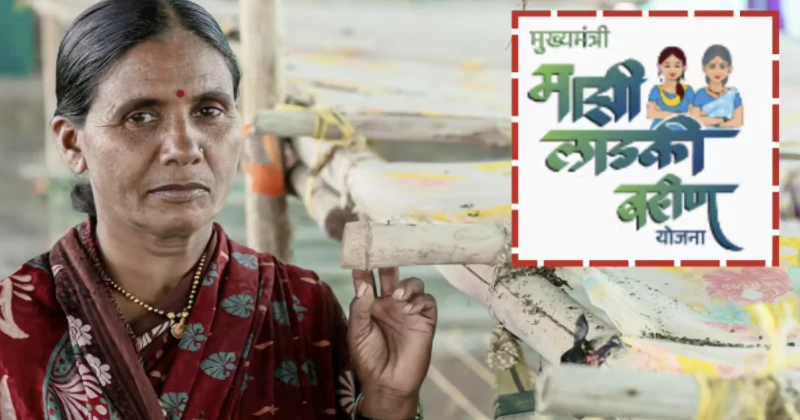
The Mukhyamantri Majhi Ladki Bahin Yojana provides Rs 1,500 per month through Direct Benefit Transfer (DBT) to women aged 21 to 65 years belonging to families with an annual income below Rs 2.5 lakh.
Government employees, income-tax payers and beneficiaries of certain other welfare schemes are excluded from the scheme. Officials associated with the verification process estimate that beneficiaries whose payments were subsequently discontinued had collectively received nearly Rs 14,000 crore before being removed from the scheme.
On average, the beneficiaries received financial assistance for nearly 10 months, although there was no uniform cut-off date as different categories of ineligible beneficiaries were identified at different stages of verification.
Based on the scheme’s monthly payout, the estimated disbursement broadly corresponds to an average payment of around Rs 1,500 per beneficiary each month.
Women and Child Development Minister Aditi Tatkare said the government could not begin the mandatory eKYC exercise immediately after launching the scheme because of the 2024 Maharashtra Assembly elections and the enforcement of the Model Code of Conduct.
“The scheme was launched in June 2024 and the first two instalments were released together in August 2024. After that there were Assembly elections in November 2024 and the Model Code of Conduct came into force before October, because of which the eKYC exercise could not be started earlier,” Tatkare told The Indian Express.
She added that the government initiated the verification process in August 2025 and repeatedly informed beneficiaries that payments would be discontinued if eKYC was not completed. Beneficiaries were subsequently granted extensions until December 31, 2025.
“It is not that the government removed them. All those who had registered and were eligible received benefits till the eKYC procedure was completed,” she said. Tatkare clarified that the government does not intend to recover payments from most beneficiaries whose names have been deleted.
She stated that, in line with the Chief Minister’s announcement in the Assembly, recovery proceedings would be limited primarily to male beneficiaries and government employees who had wrongly received benefits.
However, she had earlier informed the Maharashtra Assembly that recovery proceedings had been initiated against government employees, male beneficiaries and other ineligible recipients under the Revenue Recovery Receipt mechanism, with district collectors instructed to undertake recoveries.
The large-scale verification exercise has coincided with observations made by the Comptroller and Auditor General (CAG) in its State Finances Audit Report 2024-25, tabled in the Maharashtra Legislature.
The audit highlighted several financial concerns surrounding the implementation of the scheme.
According to the CAG:
- The Women and Child Development Department spent Rs 33,237.24 crore against an authorised budget of Rs 29,693.09 crore, resulting in an excess expenditure of Rs 3,541.16 crore.
- The department did not provide a specific justification for the overspending.
- The authorised budget included Rs 26,200 crore through supplementary provisions and Rs 3,490.75 crore reallocated from the Lek Ladki Yojana.
- Around Rs 15,586 crore withdrawn between January and March 2025 was transferred into Virtual Personal Deposit Accounts, despite not being required for immediate expenditure.
The CAG observed that such large withdrawals and parking of funds weakened legislative oversight and violated principles of sound financial management. It recommended more realistic estimation of beneficiary numbers and budget allocations for future Direct Benefit Transfer schemes.
Reflecting the reduced beneficiary base, the Maharashtra government has cut the scheme’s allocation from Rs 36,000 crore in 2025-26 to Rs 26,500 crore in 2026-27, a reduction of Rs 9,500 crore.
At the present beneficiary count of approximately 1.5 crore women, continuing payments of Rs 1,500 per month would require roughly Rs 27,000 crore annually, about Rs 500 crore more than the current allocation.
The Mahayuti alliance’s election promise to raise the monthly assistance from Rs 1,500 to Rs 2,100 has not yet been implemented. At the existing beneficiary level, such an increase would require nearly Rs 37,800 crore annually, approximately Rs 11,300 crore higher than the current budgetary allocation.
Since its launch in June 2024, budget allocations and supplementary provisions for the Mukhyamantri Majhi Ladki Bahin Yojana have collectively crossed Rs 60,000 crore, making it one of Maharashtra’s largest welfare programmes. The ongoing verification exercise, officials say, is intended to ensure that benefits reach only genuinely eligible women while improving transparency and fiscal discipline in the implementation of the scheme.