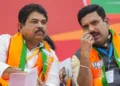
Bengaluru: A major scam came to light in Karnataka’s Excise Department after the Lokayukta Police reportedly uncovered evidence suggesting that Excise Additional Commissioner Y. Manjunath, who is also the brother-in-law of Public Works Department Minister Satish Jarkiholi, allegedly used his official position to facilitate liquor licences for family members, relatives and close associates.
The fresh revelations have intensified scrutiny of the Excise Department, with the Lokayukta now expanding its investigation into liquor licence approvals granted between 2020 and 2025. Investigators suspect that the alleged irregularities extend beyond a few isolated cases and may involve a larger network operating within the department.
According to sources familiar with the investigation, preliminary findings indicate that more than 30 bar and liquor shop licences were allegedly issued to individuals closely connected to Manjunath, including relatives, trusted associates and supporters. Officials are now examining whether the licences were granted by bypassing established procedures and whether there was any abuse of official authority.
The probe gathered momentum following the recent Enforcement Directorate (ED) raids on properties linked to Manjunath and his associates. During the searches conducted on June 24 at multiple locations across Karnataka, the ED reportedly seized assets worth Rs 13.3 crore, prompting the Lokayukta Police to initiate an independent examination of liquor licence approvals made during his tenure.
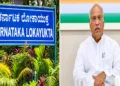
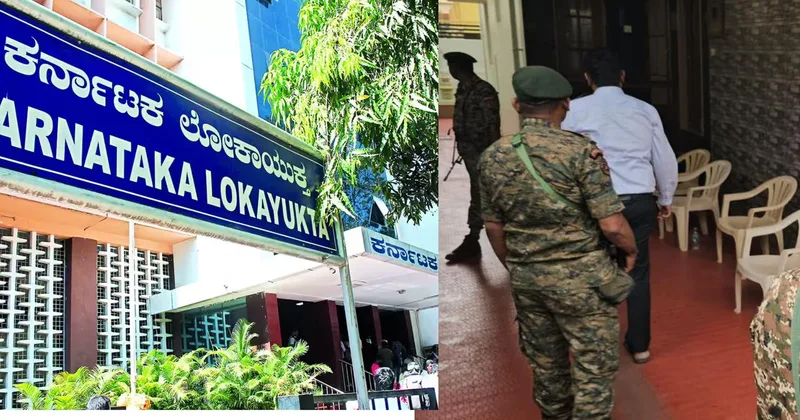
Investigators have since shifted their focus to the functioning of the Excise Department over the past five years. As part of the inquiry, Lokayukta teams recently conducted searches at the offices of Excise Deputy Commissioners in Bengaluru Urban and Bengaluru Rural districts, seizing files related to liquor licence approvals for detailed scrutiny.
While the Excise Department has maintained that liquor licences are issued through a transparent online system designed to eliminate human intervention, investigators suspect that irregularities may have occurred before applications entered the digital process. Officials believe that alleged negotiations and informal approvals may have taken place even before applications were formally submitted online, allowing selected applicants to secure licences while others were rejected.
The alleged involvement of the minister’s brother-in-law has added significant political sensitivity to the investigation. Although Minister Satish Jarkiholi has not been named as an accused in the case, the fact that the senior Excise official under scrutiny is closely related to a serving Cabinet minister has drawn considerable attention.
Lokayukta officials are also examining whether similar patterns of irregularities existed under other Excise Deputy Commissioners across Karnataka. Notices have reportedly been issued directing present and former Deputy Commissioners to furnish complete records of liquor licences sanctioned during their tenure and appear for questioning with supporting documents.
The investigation also follows another high-profile corruption case in Bengaluru in which an Excise Deputy Commissioner and two other officials were arrested by the Lokayukta while allegedly accepting a bribe for granting CL-7 and microbrewery licences. Investigators believe the latest findings may reveal a broader pattern of corruption in the licensing system.
Officials are now considering registering separate FIRs under provisions of the Prevention of Corruption Act against those who allegedly benefited from the licences if evidence establishes that the approvals were obtained through abuse of official position. Beneficiaries of the licences may also be questioned regarding the circumstances under which approvals were granted.
Another area under the scanner is the five-year licence renewal process. Sources indicate that investigators suspect illegal gratification may have been involved not only in the initial grant of licences but also during subsequent renewals. The renewal mechanism is therefore being examined alongside fresh licence approvals.
The Lokayukta is expected to continue analysing thousands of pages of departmental records in the coming weeks. Officials believe the investigation could widen further if evidence points to a coordinated network involving multiple officers and beneficiaries.