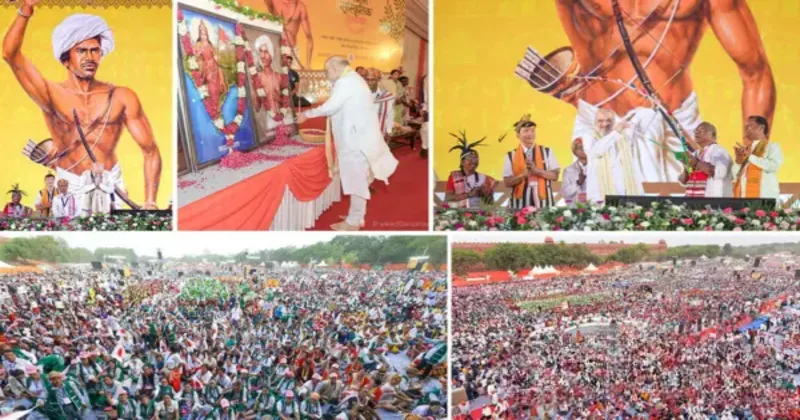
On May 24, 2026, the historic lawns of the Red Fort in Delhi became a vibrant stage for Bharat’s rich janjatiya cultures when the Janjatiya Sanskriti Samagam brought together lakhs of Janjatiya delegates, community leaders, scholars and youth from across the country. The event—held at a national monument long associated with India’s political story—reframed the narrative to showcase the living, diverse cultural traditions of the nation’s janjatiyas (tribal communities). In doing so, the Samagam succeeded not only as a festival of music and dance, but as an important gesture of recognition and belonging that also addresses concerns of janjatiya communities related to policy and governance, particularly delisting.
A national stage for diverse traditions
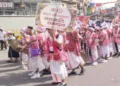
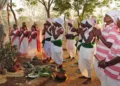
The Samagam featured performances from a diverse spectrum of tribal groups, including the rhythmic dances from central India, folk melodies from the Northeast, and rich oral storytelling from the Central Indian forests. Placing these performances at the Red Fort provided them unprecedented visibility and demonstrated that tribal cultures are central—not peripheral—to Bharat’s cultural identity. The event allowed Delhi’s residents, visitors, and dignitaries to experience traditions that many had never experienced before, fostering cross-cultural understanding within the capital. The Samagam also served as a forum for exchanging ideas to strengthen Bharat’s plural identity.
Delisting: A pressing concern
Alongside celebration, the Samagam brought attention to a serious issue affecting many tribal communities: the demand for delisting of those who have converted to other non-indigenous religions, and are taking the benefits and privileges of Scheduled Tribe category. The janjati communities of Bharat follow a distinct culture and way of life, which is different from the Western ontological outlook. Nature, for example, for the janjatiya communities is sacred. Nature for them is not to be ruled but worshipped and revered. They are in fact, Sevaks of Prakriti. This further highlights the strong bond of Bharat’s civilizational ethos with its janjatiya communities.
Bharat’s janjatiya communities have withstood the ravages of colonisation and preserved their indigenous living heritage and culture. Hence, conversion to non-indigenous religion dilutes the cultural practices and fundamental fabric of indigeneity that is central to janjatiya communities. It also acts as a hindrance to cultural recognition. The Samagam therefore, provided a timely public forum to address these vital concerns and press for remedial action.
Why recognition and delisting matters
Official recognition of janjatiya communities and their cultural practices and delisting of converted citizens matters beyond symbolic status. It determines access to affirmative action, targeted development, legal protections and institutional support for cultural transmission. Delisting therefore is the need of the hour as the real janjatiya communities are losing their leverage to claim resources, visibility, and policy safeguards.
Voices raised at the samagam
Several speakers used the Samagam’s national platform to highlight cases of delisting and its impact. By amplifying these testimonies in a high-profile setting, the Samagam turned cultural celebration into civic advocacy.
Inter-cultural interaction and mutual learning
The Samagam promoted discourse by facilitating discussions and deliberations among communities, as well as with researchers, policymakers, and urban audiences. Those conversations can shape better cultural policies, enhance access to markets and training, and guide heritage preservation efforts that respect local ownership. By combining celebration and conversation, the Samagam went beyond spectacle and established networks that can sustain long-term cultural resilience.
Economic and social impact
Public cultural events generate immediate and longer-term economic benefits for participants. The craft market, increased visibility for performing troupes, and connections with collectors and cultural organizations can translate into sustained income. Socially, national recognition helps overcome stigma and marginalization by placing tribal cultures on equal footing with other expressions of Bharatiya identity. For many attendees from tribal regions, the Samagam represented a symbolic affirmation: their languages, songs, and ceremonies matter at the heart of the nation.
Respectful representation matters
A key feature of the Samagam was its emphasis on rights-based, respectful representation—allowing communities to showcase their customs on their own terms, with elders and custodians leading performances and explanations. When cultural celebration is guided by the communities themselves, it reduces the risk of appropriation and ensures authenticity. This approach further helped in building trust and set a positive precedent for future events.
A living culture, Not a relic
One of the strongest messages from the Samagam was that Janjatiya cultures are dynamic and contemporary. The festival featured indigenous musicians with their indigenous instruments, and activists using cultural expression to advocate for janjatiya rights, land and education. Presenting janjatiya culture as intrinsic to Bharatiya tradition and Sanatan culture re-affirms the need for delisting of those who have converted to other non-indigenous religions. That is the only way through which the living and original culture of janjatiya communities can be preserved and protected.
Looking ahead
The Janjatiya Sanskriti Samagam at the Red Fort was more than a single-day celebration; it can be a catalyst. To translate its momentum into lasting gains, follow-up measures are important. Sustained focus will ensure that the Samagam becomes a watershed moment in deeper cultural recognition and inclusion.
The Samagam positioned India’s tribal traditions where they belong: at the heart of the nation’s cultural conversation. By combining celebration and respectful representation, the event respected ancestral knowledge while also pointing to modern opportunities for artistic expression, economic empowerment and addressing the concerns of janjatiya communities. If treated as the beginning of ongoing engagement rather than a one-off spectacle, the Janjatiya Sanskriti Samagam can meaningfully strengthen cultural pride, protect living traditions and deepen Bharat’s plural identity.