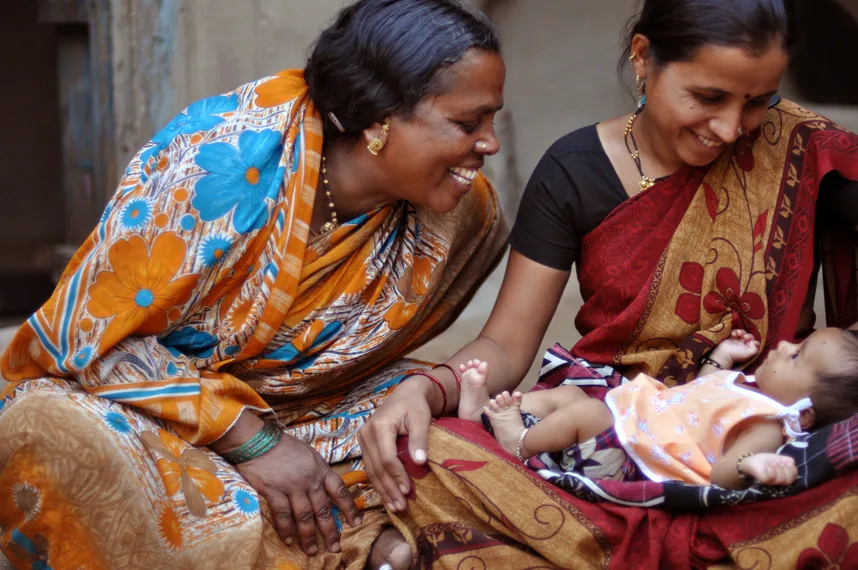
On June 9, 2016, India embarked on an ambitious journey to make pregnancy safer for every woman, regardless of where she lived or her economic background. The launch of the Pradhan Mantri Surakshit Matritva Abhiyaan (PMSMA) represented more than just another healthcare scheme; it signalled a national commitment to ensuring that no woman should lose her life while giving birth and no family should suffer because quality maternal healthcare remained beyond reach.
Ten years later, the programme stands as one of the most successful maternal healthcare interventions in the country’s history. Having provided free and comprehensive antenatal care services to more than 7.5 crore pregnant women, PMSMA has become an essential pillar of India’s healthcare architecture. More importantly, it has contributed significantly to the reduction of maternal mortality, improved early detection of pregnancy-related complications, and strengthened the continuum of care for mothers across the nation.
As the initiative completes a decade of implementation, its story reflects not only the success of a public health programme but also India’s broader transformation in healthcare delivery, accessibility, and inclusiveness.
Maternal Health: The foundation of a healthy nation
Maternal health occupies a central place in any country’s healthcare system because it directly influences the well-being of both mothers and newborns. Safe pregnancies and healthy deliveries contribute to stronger families, healthier communities, and improved developmental outcomes for future generations.
Before the launch of PMSMA, India faced considerable challenges in maternal healthcare. While substantial progress had already been made through various government interventions, maternal mortality remained a major concern, especially in rural and underserved regions where access to specialist medical services was limited.
During 2014-16, India’s Maternal Mortality Ratio (MMR) stood at 130 maternal deaths per one lakh live births. Although significantly lower than previous decades, this figure still reflected substantial gaps in healthcare accessibility, timely diagnosis, and specialised treatment during pregnancy.
Many pregnant women, particularly those residing in remote villages, tribal regions, and difficult terrains, often relied on limited healthcare facilities that lacked specialist doctors. Complications such as severe anaemia, hypertension, gestational diabetes, infections, and obstetric emergencies frequently went undetected until they became life-threatening.
Recognising these challenges, the Government of India intensified efforts to improve maternal healthcare outcomes in line with global commitments under the Sustainable Development Goals (SDGs), which seek to reduce maternal mortality to less than 70 deaths per 100,000 live births by 2030. The National Health Policy 2017 further reinforced this objective, placing maternal health at the centre of healthcare reforms.
It was within this context that PMSMA emerged as a transformative intervention.
The vision behind PMSMA
Launched by Prime Minister Narendra Modi on June 9, 2016, the Pradhan Mantri Surakshit Matritva Abhiyaan was designed with a clear and focused objective: ensuring that every pregnant woman receives at least one quality antenatal check-up by a specialist during the critical second or third trimester of pregnancy.
The concept was simple yet revolutionary.
Rather than expecting women to travel long distances in search of specialist care, PMSMA sought to bring specialist services directly into the public healthcare system on a fixed day every month.
Under the programme, the ninth day of every month was designated for providing comprehensive antenatal care at government healthcare facilities nationwide. This fixed schedule helped create awareness among communities and established a predictable healthcare service that pregnant women could rely upon.
The initiative aimed not merely to conduct routine examinations but to provide detailed, specialist-led assessments capable of identifying pregnancy-related risks before they escalated into emergencies.
Bringing comprehensive antenatal care to every mother
One of PMSMA’s defining strengths lies in the comprehensive nature of services provided under the programme.
Pregnant women attending PMSMA clinics receive a wide range of essential healthcare services free of cost. These include detailed clinical examinations conducted by obstetricians, gynaecologists, trained emergency obstetric specialists, physicians, and other qualified healthcare professionals.
The programme includes blood investigations to detect anaemia and infections, urine examinations to identify urinary tract disorders and pregnancy complications, ultrasound examinations to monitor foetal development, blood pressure monitoring, diabetes screening, and nutritional assessments.
In addition to medical examinations, pregnant women receive counselling on nutrition, birth preparedness, breastfeeding practices, family support, danger signs during pregnancy, and the importance of institutional deliveries.
The emphasis on counselling is particularly significant because maternal health outcomes are often influenced not only by medical interventions but also by awareness and informed decision-making.
For many women, PMSMA clinics serve as a critical source of information regarding pregnancy care, enabling them to take proactive measures to protect their health and that of their unborn child.
Identifying high-risk pregnancies
Perhaps the most transformative contribution of PMSMA has been its systematic approach to identifying high-risk pregnancies.
Globally, maternal mortality is frequently associated with complications that remain undetected or untreated until late stages of pregnancy. PMSMA addresses this challenge through structured risk assessment protocols.
Healthcare providers participating in the programme screen pregnant women for 25 major risk factors that can potentially threaten maternal or foetal health.
These include severe anaemia, hypertension, gestational diabetes, hypothyroidism, HIV infection, syphilis, tuberculosis, malaria, cardiac disorders, kidney disease, teenage pregnancy, twin pregnancies, previous caesarean deliveries, congenital abnormalities, and several other medical and obstetric complications.
Early identification enables healthcare providers to classify pregnancies according to risk levels and initiate appropriate interventions.
Women diagnosed with high-risk conditions are linked to the nearest First Referral Unit (FRU) or higher healthcare facility, where they receive specialised care, additional investigations, and close monitoring throughout pregnancy.
To facilitate easy identification, PMSMA introduced a colour-coded sticker system on Mother and Child Protection Cards. This innovative mechanism enables healthcare workers, doctors, ASHAs, and auxiliary nurse midwives to quickly recognise high-risk cases and prioritise follow-up care.
The result has been a more organised and responsive maternal healthcare system capable of intervening before complications become life-threatening.
Mobilising India’s medical community
A unique aspect of PMSMA is its reliance on voluntary participation by medical specialists from the private sector.
Recognising the shortage of specialists in many government healthcare facilities, the programme encourages private obstetricians, gynaecologists, radiologists, and physicians to dedicate one day every month to providing free services under PMSMA.
The initiative received a major boost when Prime Minister Modi appealed to doctors through his radio programme Mann Ki Baat, urging them to contribute just twelve days each year towards the cause of maternal health.
The response from the medical community was encouraging.
Thousands of doctors across the country joined the campaign, helping bridge the gap between demand and availability of specialist services.
To recognise their contribution, the government introduced the “I Pledge for 9” campaign and various achievement awards, honouring healthcare professionals who actively participate in the programme.
This public-private partnership model has become one of PMSMA’s most distinctive strengths, demonstrating how collective social responsibility can support national healthcare goals.
Reaching the last mile
Over the past decade, PMSMA has evolved from a healthcare initiative into a nationwide movement.
The programme has expanded its reach across districts, blocks, villages, and healthcare facilities, ensuring that specialist antenatal services are available even in difficult-to-access regions.
For women living in tribal belts, hilly areas, border regions, and remote rural communities, PMSMA has significantly reduced barriers to accessing specialist healthcare.
The regular monthly schedule has also improved healthcare-seeking behaviour. Families increasingly recognise the importance of antenatal care, resulting in higher attendance at health facilities and earlier reporting of complications.
This behavioural shift represents one of the programme’s most enduring achievements.
Healthcare interventions often succeed not only by providing services but by changing perceptions and encouraging communities to prioritise preventive healthcare.
PMSMA has contributed substantially to this cultural transformation.
Measuring impact through improved maternal outcomes
The true measure of any maternal healthcare programme lies in its ability to save lives.
India’s maternal health indicators over the past decade reflect significant progress.
According to government data, the country’s Maternal Mortality Ratio declined from 130 maternal deaths per one lakh live births during 2014-16 to 87 during 2022-24.
This reduction of 43 maternal deaths per lakh live births represents a major public health achievement and places India on a stronger trajectory towards meeting global maternal health targets.
While this improvement is the result of multiple healthcare initiatives working together, PMSMA has played a crucial role by facilitating early diagnosis, specialist consultations, and timely management of high-risk pregnancies.
The programme’s contribution extends beyond mortality reduction. It has also improved maternal morbidity outcomes by preventing complications that can lead to long-term health problems for mothers.
By ensuring timely intervention, PMSMA has helped reduce the burden of severe pregnancy-related illnesses and improved the overall quality of maternal healthcare.
Extended PMSMA: Beyond detection to continuous care
By 2022, policymakers recognised that identifying high-risk pregnancies was only the beginning of the healthcare journey.
To strengthen follow-up care, the government launched the Extended PMSMA Strategy in January 2022.
The new approach focuses on ensuring that women identified as high-risk continue to receive medical attention throughout pregnancy until delivery.
Each high-risk pregnancy is tracked individually, creating a more personalised care pathway. Additional antenatal visits are encouraged, and monitoring mechanisms ensure that women remain connected with healthcare services.
Financial incentives are provided to both beneficiaries and Accredited Social Health Activists (ASHAs), encouraging regular follow-up and improved compliance with medical advice.
Technology has become an important enabler in this process.
SMS-based reminders are sent to pregnant women and ASHA workers, helping ensure that follow-up appointments are not missed.
This integration of technology, community health workers, and healthcare facilities has strengthened continuity of care and improved outcomes for high-risk pregnancies.
Building a comprehensive maternal healthcare ecosystem
The success of PMSMA is also linked to its integration within a broader maternal and child healthcare ecosystem.
India’s maternal health strategy relies on multiple complementary programmes working together to provide seamless care throughout pregnancy, childbirth, and the postnatal period.
The Janani Suraksha Yojana (JSY) promotes institutional deliveries through financial incentives and has benefited over 11.96 crore women since 2014-15.
The Janani Shishu Suraksha Karyakram (JSSK) ensures free healthcare services for pregnant women and newborns, supporting more than 18 crore beneficiaries.
The Surakshit Matritva Aashwasan (SUMAN) initiative guarantees dignified and quality maternal healthcare services through an extensive network of over 99,000 healthcare facilities.
Similarly, POSHAN Abhiyaan addresses maternal nutrition, while the Pradhan Mantri Matru Vandana Yojana (PMMVY) provides maternity benefits to support women during pregnancy and childbirth.
The LaQshya programme focuses on improving the quality of care in labour rooms and maternity operation theatres.
Together, these initiatives create a comprehensive continuum of care that addresses every stage of motherhood.
Celebrating a decade of progress
The completion of ten years of PMSMA marks a significant milestone in India’s healthcare journey.
To commemorate the occasion, nationwide celebrations are being organised across healthcare institutions. Special PMSMA sessions are being conducted at district hospitals, sub-district hospitals, First Referral Units, community health centres, and other designated facilities.
Maternal healthcare services are also being strengthened through approximately 1.8 lakh Ayushman Arogya Mandirs across the country.
Community outreach activities involving Village Health Sanitation and Nutrition Days (VHSNDs), Jan Arogya Samitis, self-help groups, ASHA workers, and local health volunteers are helping spread awareness about safe motherhood practices and the importance of regular antenatal check-ups.
These activities reinforce the programme’s core message: every pregnancy deserves timely care and every mother deserves safe healthcare.
Towards a healthier India
As India moves towards its vision of becoming a developed nation by 2047, maternal healthcare will continue to remain a central public health priority.
The experience of PMSMA demonstrates how targeted interventions, strong political commitment, community participation, medical expertise, and effective healthcare systems can collectively produce transformative results.
Over the past decade, the programme has shown that reducing maternal mortality is not solely about treating complications, it is about preventing them through early detection, timely intervention, specialist support, and continuous monitoring.
The coming years are expected to witness greater use of digital health technologies, stronger referral systems, expanded specialist networks, and enhanced community engagement under PMSMA.
As the programme enters its second decade, it is poised to play an even greater role in advancing India’s maternal health goals and supporting the country’s commitment to universal healthcare.
For more than 7.5 crore women who have benefited from its services, PMSMA represents far more than a government scheme. It is a lifeline that has provided reassurance during pregnancy, access to expert care when needed most, and hope for safer motherhood.
Its success underscores a simple but powerful truth: when healthcare reaches women in time, lives are saved, families are strengthened, and nations progress.
Ten years after its launch, the Pradhan Mantri Surakshit Matritva Abhiyaan stands as a testament to India’s commitment to ensuring that every mother, regardless of geography or income, receives the care, dignity, and protection she deserves. In doing so, it has not only transformed maternal healthcare but has also helped shape a healthier future for generations to come.