Bengaluru: The Karnataka government’s May 21 cabinet meeting decision to withdraw 52 criminal cases, including those linked to Kannada activists, farmers’ protests and the Ladle Mashak Dargah dispute in Aland, has triggered a sharp political storm, with the Bharatiya Janata Party (BJP) accusing the ruling Congress of taking a “unilateral and politically motivated” decision.
The cabinet approval covers a wide range of cases registered over several years, including those against Kannada organisations, farmer groups, Dalit activists and protest movements related to Cauvery and Kalasa-Banduri issues. It also includes around 10 cases against Kannada activist Vatal Nagaraj and multiple cases linked to agitations across the state.
However, the inclusion of seven cases connected to the Ladle Mashak Dargah dispute in Aland has become the central flashpoint, intensifying the political confrontation between the Congress government and the opposition BJP.
According to BJP leaders, the decision was taken without adequate consultation and reflects what they describe as a “selective and unilateral approach” by the Congress government. Senior BJP leader and MLC CT Ravi strongly criticised the move, alleging that the state government is misusing its authority to withdraw serious criminal cases while simultaneously targeting political opponents and activists aligned with Hindu organisations. He alleged that the Congress government is creating a “dangerous precedent” by selectively withdrawing cases based on political convenience rather than legal merit.
“This is a completely unilateral decision taken by the Congress government. On one hand, cases are being registered against Hindu activists and they are being subjected to police action and harassment. On the other hand, cases involving certain groups and serious offences are being withdrawn. This sends a wrong message that the government is soft on crime and driven by appeasement politics,” said CT Ravi.
The BJP has also claimed that several of the withdrawn cases involve incidents of public disorder, property damage and violent protests, and that dropping such cases undermines the rule of law and weakens the criminal justice system.
Opposition leaders further alleged that the decision was taken in haste without transparent consultation with all stakeholders, and accused the Congress government of trying to “rewrite accountability” for past incidents.According to the BJP, the move particularly reflects a pattern of “selective justice,” where cases involving politically sensitive groups are being withdrawn while cases against other activists remain active.
Meanwhile, the state government has defended its decision, stating that the withdrawal of cases was not arbitrary but based on legal scrutiny and recommendations from a cabinet sub-committee that examined long-pending protest-related cases.
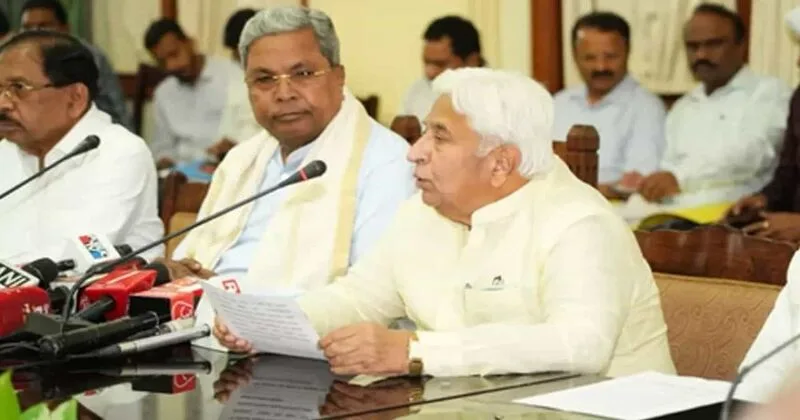
Home Minister G Parameshwara said that the decision was taken after detailed review and legal consultation, and that it followed established procedures for withdrawal of cases involving public protests and socio-political movements.
He clarified that cases involving farmer organisations, Kannada groups and other protest-related matters were examined by the cabinet sub-committee before being placed before the full cabinet for approval.“This is not a unilateral or sudden decision. A cabinet sub-committee examined all relevant cases, and only after legal evaluation was the proposal approved. The process was carried out in accordance with law,” said G Parameshwara.
However, the BJP has rejected this justification, insisting that the decision reflects internal political considerations within the Congress government rather than a neutral legal review. Party leaders have alleged that the government is attempting to project itself as being supportive of protest movements while ignoring the seriousness of criminal charges involved in some of the withdrawn cases.
The controversy has also revived debate over the Ladle Mashak Dargah dispute in Aland, with BJP leaders questioning why cases linked to a sensitive communal issue were included in the withdrawal list without wider consultation.
While the Congress government insists that the move is aimed at resolving long-pending cases arising from mass movements and protests, the BJP continues to maintain that the decision is politically driven and taken in a unilateral manner without adequate transparency.
With both sides hardening their positions, the issue is expected to escalate further in the coming days, potentially becoming a major point of political contention in the state Assembly and public discourse.