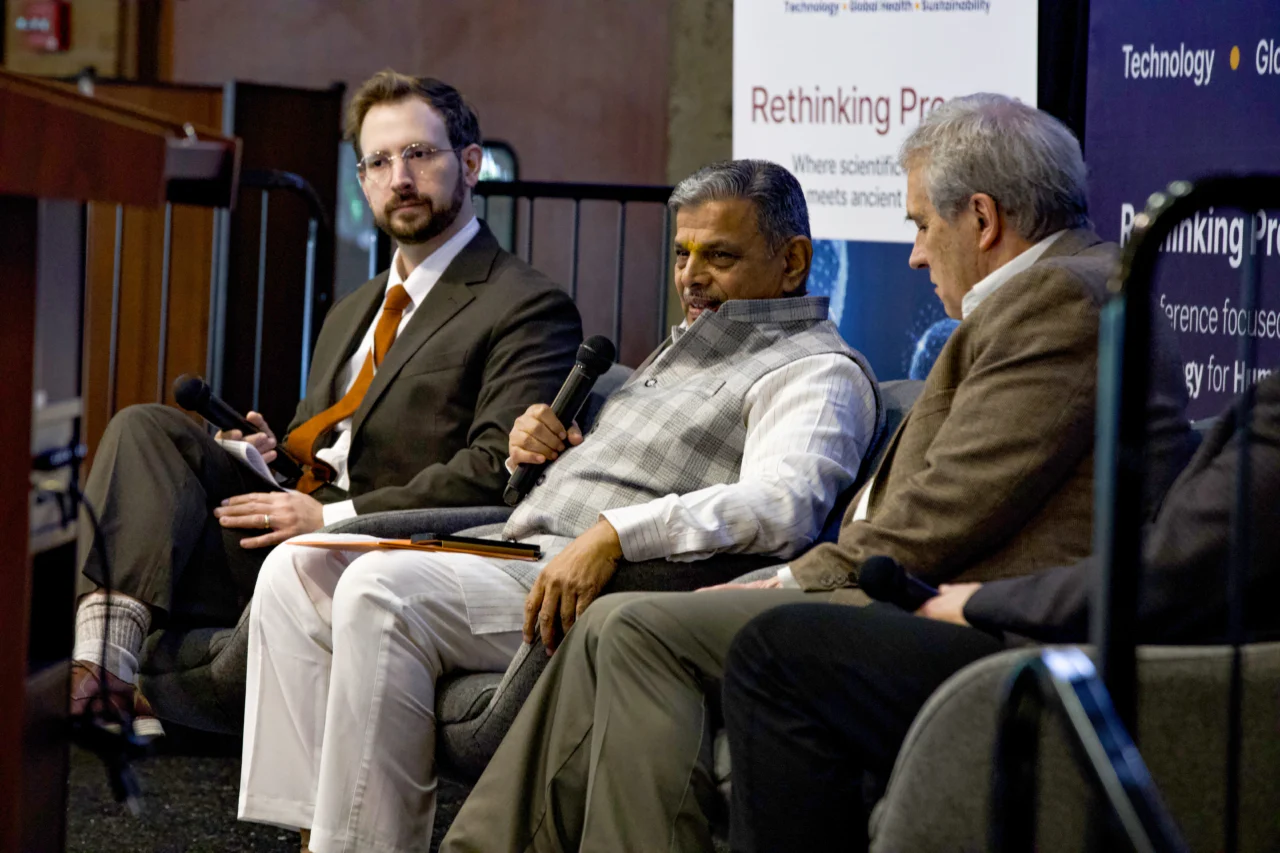
Recently, Rashtriya Swayamsevak Sangh’s Sarkaryavah Dattatreya Hosabale Ji visited Europe and the United States, where he participated in a series of conferences, academic interactions, and public engagements. During the visit, he spoke on subjects ranging from artificial intelligence and human life to the RSS centenary year and Bharat’s global vision, including at the Hudson Institute.
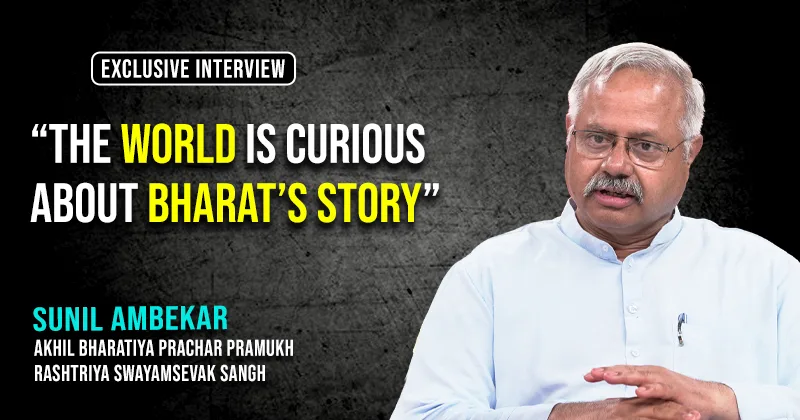
What was the larger purpose behind this outreach, and why is the RSS engaging with audiences across the world on these issues? In this conversation, the Akhil Bharatiya Prachar Pramukh of the RSS, Sunil Ambekar Ji, speaks with Editor Organiser Prafulla Ketkar to explain how the RSS seeks not only to present the essence of Sanatan Dharma but also to share the broader Hindu philosophy and worldview as a possible framework for addressing contemporary global challenges. Excerpts:
Though most media discussion around Dattatreya Ji’s visit focused on India-US relations and related aspects, what were the RSS’s point of view, vision, and purpose behind this visit?
RSS, now in its centenary year, works at the grassroots level with common people. So the journey of RSS is very much related to Bharat’s journey — its growth story, its developmental story, and its social transformation story. At different levels, RSS has worked during the last 100 years. So we want to share this story with the world regularly.
Secondly, there can be some solutions to modern-day issues and problems. Like now, our Yoga is helping people even in developed nations. Similarly, our family awakening programmes and social values can be helpful to societies across the world.
The third point is that there are different understandings and misunderstandings about Hindutva, about RSS, and even about Bharat and its historical track. Therefore, there can be direct people-to-people dialogue with stakeholders, key figures in the public sphere, and important segments of society.
Particularly, this tour of Dattatreya Hosabale ji focused on the UK, Europe — especially Germany — and the USA.
Watch The Full Interview Here:
This interaction at Stanford was very interesting, where he spoke about the Dharmic understanding of technology and AI. So, is RSS actually working on technological aspects, and how is it going to impact society?
Of course. There has been a misconception for many years in the world of science and philosophy that spirituality and science are separate. But as an ancient civilisation, and according to Hindu philosophy, spirituality occupies everything, and science is one way through which we try to understand it.
Science and spirituality are not exactly opposite. They can go hand in hand. Science can help in understanding spirituality, and spirituality can help in understanding science.
As Swami Vivekananda said, the ultimate evolution of science is connected with this knowledge, which the Hindus have preserved. RSS is trying to explore all these knowledge systems.
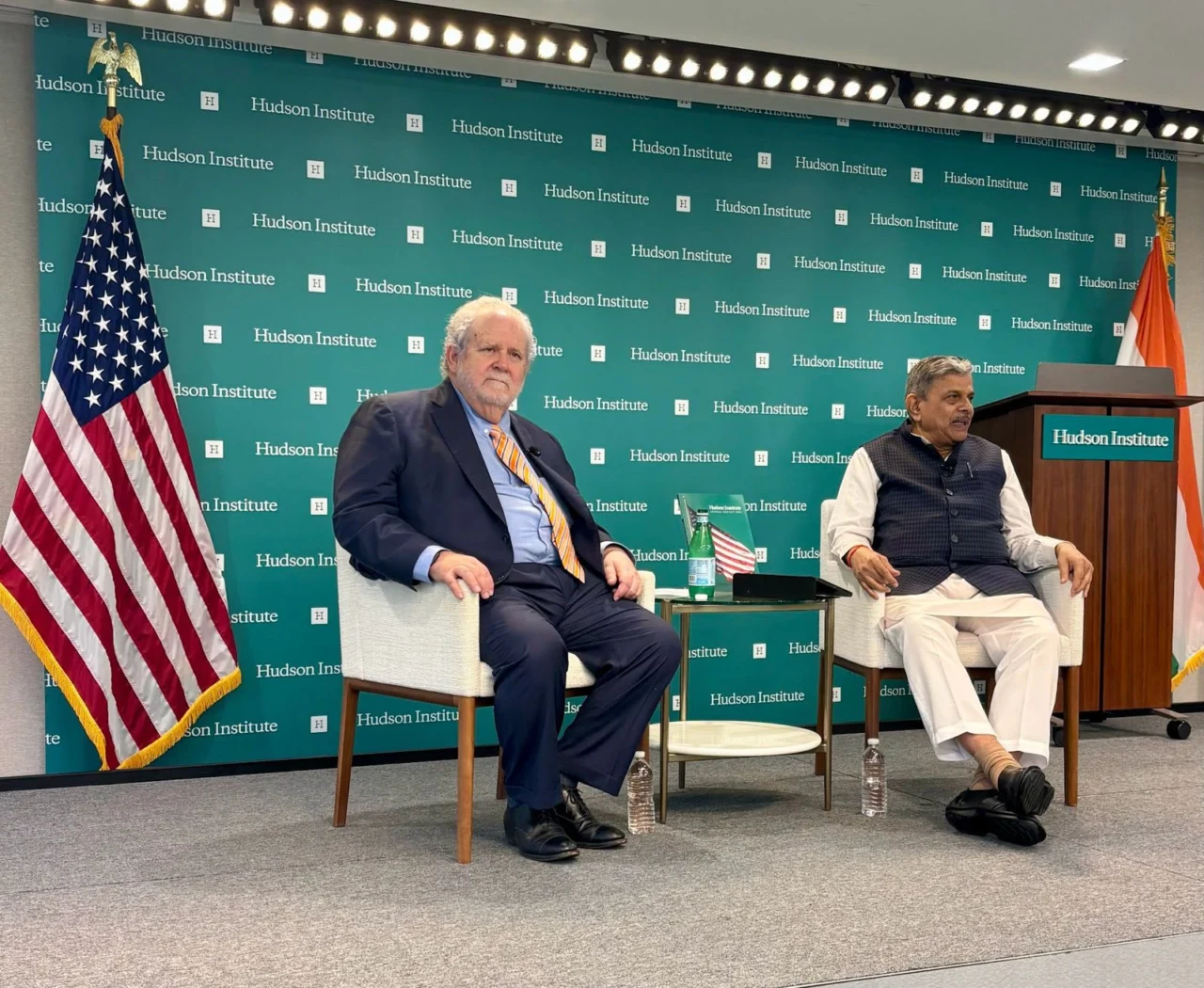
You have also been to Europe with Dattatreya ji. How is the response there? How are people receiving Bharat’s point of view and the RSS point of view?
People are now curious about it. Some people understand Bharat or Hindutva through yoga, some through Kumbh. Some are curious about how Bharat has emerged economically and in all sectors. Everybody wants to understand this story.
I do not say that RSS alone is behind all these developments, but I can say that over the last 100 years, RSS has devoted all its energy to Bharat’s growth story and Hindu unity. The effort has been to create a developed society that can live in peace with all its diversity.
The response has been very good. People discussed with Dattatreya ji in depth. I was in London, where academics from Cambridge, Oxford, and other institutions discussed in detail philosophical points, the growth story, and how RSS motivates people to participate in it.
Even people from management schools and senior professors were interested in understanding how people are motivated to participate in a nation’s growth story. That was a very interesting point.
Dattatreya ji also emphasised Hindu unity while presenting the RSS’s point of view. How do you see the role of Hindus and people of Indian origin staying there? What role do you see for them in this entire process of understanding Bharat and also as responsible citizens of those countries?
All our Sarsanghchalaks have always said that Hindus who have gone to different countries for business or any profession should become very good citizens of those countries and contribute to those societies.
At the same time, they should continue the Hindu heritage, culture, traditions, and values for the next generation and also share those values with the common people of that country.
Many organisations are carrying forward such work. During Dattatreya Ji’s tour, he also met with such organisations, diaspora gatherings and community leaders from different associations.
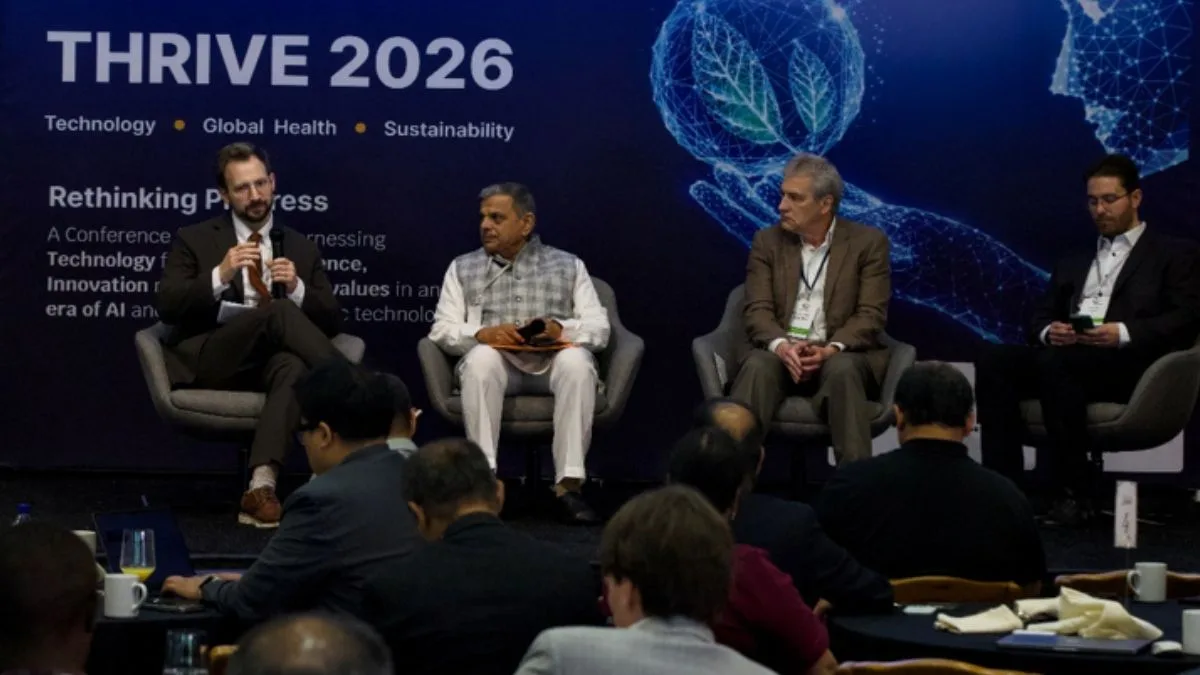
So, is there any plan for further interaction and outreach in different parts of the world?
Of course. We are trying to reach out to important people in different countries. We are also reaching out in countries such as Japan, South Korea, Indonesia, South Africa, Kazakhstan, and other Southeast Asian countries.
Whenever people from these countries visit Bharat, we also try to interact with them. The aim is not just to introduce RSS but to discuss Hindu philosophy — what Hindutva is, what Hindu civilisation is, what Bharat’s story has been in the past, what Bharat’s future story will be, and how this philosophy can help humanity live peacefully, without conflict and war.
Today, the world is facing many conflicts. Our lifestyle, which is deeply connected to nature and the environment, can also help resolve environmental challenges. There can be many solutions.
So we want to discuss not just the problems but also possible solutions to global issues.