The 2024 RG Kar Medical College incident stands as one of the most harrowing chapters in West Bengal’s history, a case that many believe exposed a deep-seated rot within the state’s political and administrative machinery.
आरजी कर मेडिकल कॉलेज में चार मुसलमानों ने एक हिंदू एमडी कर रही छात्रा का बलात्कार करके मार दिया था
मुख्य आरोपी जो मुस्लिम था वह तृणमूल कांग्रेस का नेता था
बड़ी बेरहमी से कत्ल किया था
पूरे बंगाल ही नहीं बल्कि पूरे देश में इस घटना के प्रति गुस्सा था
ममता बनर्जी की पुलिस… pic.twitter.com/6Okx0byqDs
— 🇮🇳Jitendra pratap singh🇮🇳 (@jpsin1) May 4, 2026
The brutal rape and murder of a 31-year-old postgraduate trainee doctor inside the seminar hall of a government institution ignited a firestorm of public fury, centring on allegations of high-level cover-ups and the shielding of politically connected individuals.
The Crime and the Accused
The victim, a dedicated student pursuing her MD, was found on the morning of August 9, 2024. The autopsy confirmed the unthinkable: she had been subjected to extreme physical brutality and sexual assault. The primary accused arrested in the case was Sanjay Roy, a civic volunteer with the Kolkata Police. Roy’s presence within the hospital, despite not being a medical staff member, raised immediate red flags. Reports highlighted his significant influence within the institution, allegedly stemming from his proximity to influential figures and his role within the “police welfare” circles often associated with the ruling Trinamool Congress (TMC).
State-Sponsored Cover-Up
The most damaging aspect of the case for the Mamata Banerjee administration was the perception that the state machinery worked to protect the perpetrators rather than the victim. Public and legal scrutiny focused on several critical lapses:
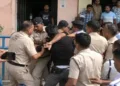
Compromising the Crime Scene: In the immediate aftermath, there were explosive allegations that the crime scene was not properly cordoned off. Reports suggested that a mob of nearly 200 to 250 people was allowed access to the area before forensic teams could secure every piece of DNA evidence.
The “Suicide” Narrative: Initial communications from the hospital to the victim’s parents reportedly suggested she had committed suicide, an attempt to hush up the matter that backfired spectacularly once the nature of her injuries became public.
The Role of Sandip Ghosh: The former Principal of RG Kar, Sandip Ghosh, became a lightning rod for public anger. His delayed resignation and subsequent (temporary) reappointment to another prestigious college by the state government were seen as clear signs of TMC patronage. He was later arrested by the CBI for evidence tampering and financial irregularities.
The “Kali” Protest: A Symbol of Resistance
As the protests swelled, they moved beyond traditional political rallies, evolving into a cultural and spiritual uprising. One of the most iconic moments captured during the “Reclaim the Night” demonstrations involved a powerful performance that many viewed as a divine manifestation of justice. A woman performed a Kali Tandav. Dressed in the imagery of Maa Kali, her intensity was so palpable that onlookers described it as if the Maa herself had descended to demand retribution. “Witch, you will be reduced to ashes; witch, your reign will end.” These words echoed through the streets of Kolkata, interpreted by many as a direct challenge to the “corrupt” establishment.
Political Fallout: The Decline of the TMC?
The RG Kar case has been described as a “Nirbhaya moment” for West Bengal. For the first time in years, the TMC’s iron grip on the state appeared to fracture under the weight of spontaneous, non-partisan anger.
Judicial Intervention: The Calcutta High Court, expressing a lack of faith in the state police’s investigation, transferred the case to the CBI.
Erosion of the Women’s Vote: Mamata Banerjee, who has long campaigned as the “Didi” (elder sister) of Bengal, faced unprecedented backlash from her core female electorate, who felt the state was no longer safe for working women.
Institutional Collapse: The case exposed a “syndicate raj” within medical colleges, where political loyalty was allegedly traded for academic and professional advancement, leading many to believe that the TMC’s governance model has entered a period of terminal decline.
The legacy of the RG Kar tragedy remains a rallying cry for those seeking a “clean” Bengal. While legal proceedings continue, the political and social scars left by the incident—and the image of the “Kali” dancer demanding the end of an era—continue to haunt the halls of power in Nabanna.
A Fight for Justice
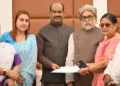
Ratna Debnath, mother of the RG Kar victim, has emerged as one of the most closely watched faces in the 2026 West Bengal elections, leading from the Panihati Assembly constituency, long considered a stronghold of the Trinamool Congress (TMC). Her candidacy, backed by the Bharatiya Janata Party (BJP), transformed the electoral contest into more than just a political battle, positioning it as a fight for justice following the 2024 RG Kar tragedy.
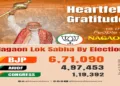
Debnath entered the political arena with a clear message: her daughter’s case is not just a personal loss but a symbol of a greater demand for accountability and women’s safety. Throughout her campaign, she repeatedly asserted that her struggle would continue regardless of electoral outcomes. Debnath secured a decisive victory, defeating the TMC candidate by over 28,000 votes, marking a major upset in the constituency.