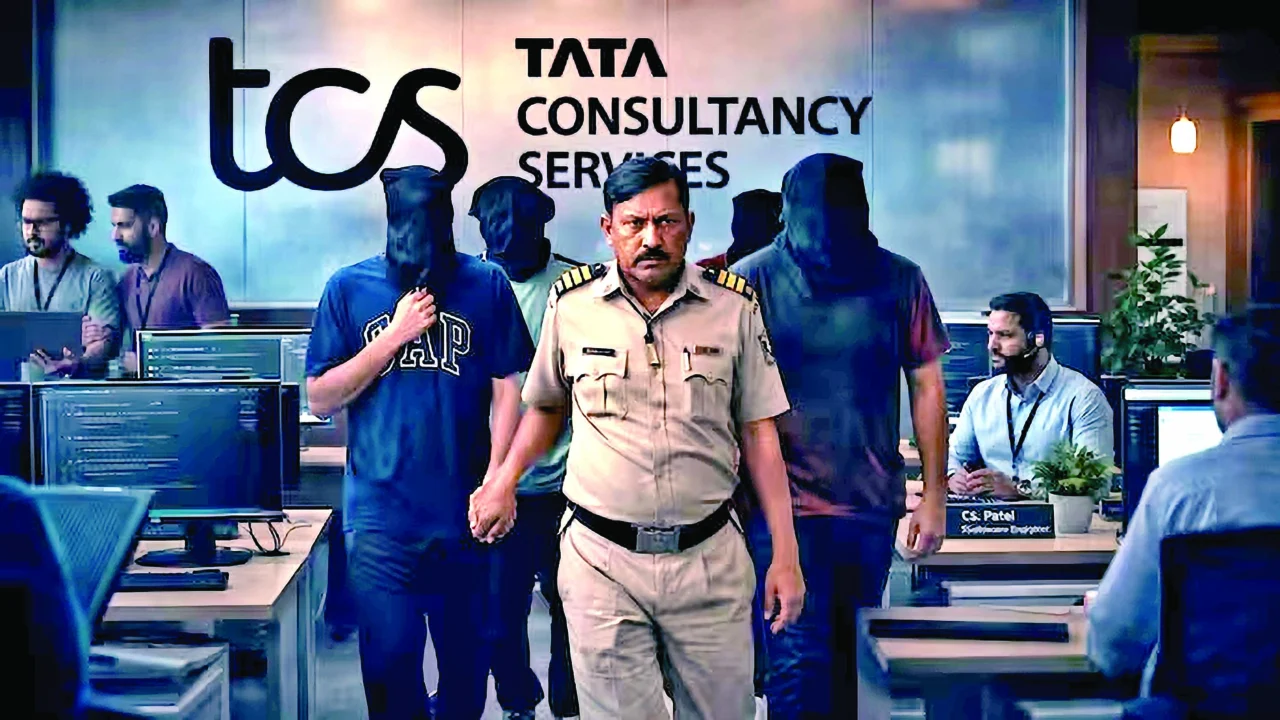
Readers must know that this is not the only case where Islamists had trapped women and targeted them systemically at the workplace; they have done it in the past as well. Here’s a list of 10 such cases:
1. In April 2026, allegations surfaced against a Hyderabad-based company VXI, where Hindu women employees claimed workplace targeting, stating that the HR department allegedly hired predominantly Muslim candidates, even those with minimal qualifications, while most staff from managers to ground-level employees belonged to one community; company cab services were also reportedly dominated by 6 to 7 Muslim vendors out of 10, and employees alleged a pattern where Hindu women were specifically targeted, including a case where a woman named “Bhavika” was allegedly persuaded into a court marriage and influenced to cut ties with her family.
2. In Udham Singh Nagar, Uttarakhand, on January 19, 2026, police arrested Shahnawaz, who allegedly posed as “Sonu” while working with a 19-year-old Hindu co-worker at a medical store, later taking her to a hotel where his identity was exposed and allegedly pressuring her for physical relations and conversion to Islam for marriage.
3. In Indore on December 25, 2025, a 25-year-old married woman accused her live-in partner Ejaz Khan, whom she met at a workplace, of rape, while his associate Shehzad Khan was accused of gangrape and issuing death threats, and the victim also alleged repeated assault and threats from Ejaz’s brother Farukh.
4. In Lucknow’s KGMU on December 20, 2025, a Hindu woman Doctor accused colleague Dr. Rameez Malik of luring her into a relationship on the pretext of marriage, sexually exploiting her, and later pressuring her for religious conversion. She also discovered that he had allegedly converted and married another Hindu woman in February 2025, and due to mental harassment, she attempted suicide.
5. In Agar Malwa, Madhya Pradesh, on July 19, 2025, a married woman accused Altaf Multani of offering her a job during financial distress and then repeatedly assaulting her in places like Ujjain and Indore, while threatening job loss and harm to her children if she refused to convert and marry him.
Global Grooming Gangs
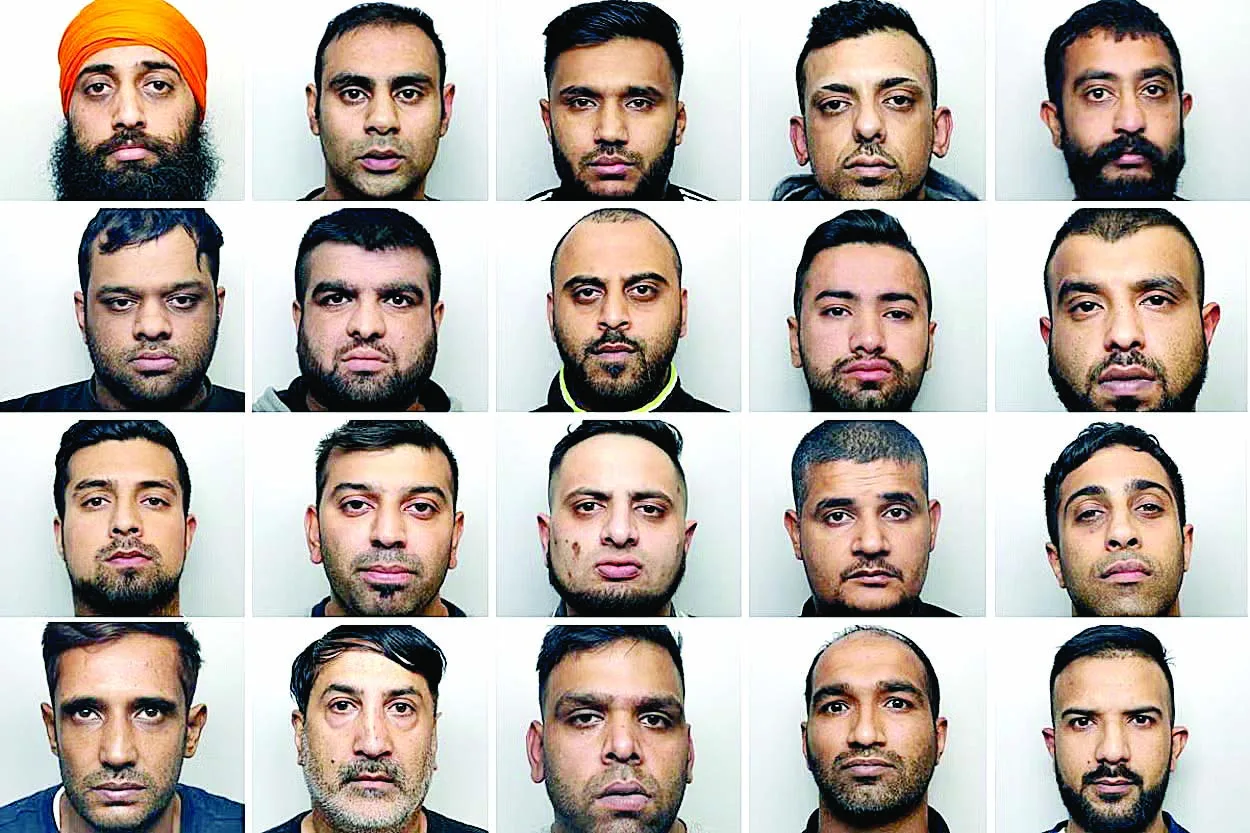
The phenomenon of organised grooming gangs is neither speculative nor newly invented; it has been investigated through judicial inquiries and criminal prosecutions in the United Kingdom. In Rotherham, the landmark Operation Stovewood inquiry established that nearly 1,400 children were sexually exploited between 1997 and 2013. Victims described being trafficked across cities, drugged, beaten and threatened into silence. In Rochdale, gangs were convicted for systematically targeting young girls, often as young as 13, luring them with gifts, alcohol and emotional dependency before subjecting them to repeated abuse. In Telford, an independent inquiry in 2022 estimated that around 1,000 girls had been exploited over decades, many in what investigators described as organised “rape dens.” Similar patterns surfaced in Oldham and Oxford, where group-based exploitation involving multiple accused revealed a consistent modus operandi: targeting, grooming, isolation and control.
What makes these cases even more disturbing is not just the scale of the crimes, but the institutional response that followed. Multiple official reviews, including recent audits, have acknowledged that police, local councils and social services repeatedly failed to act despite receiving complaints. In several instances, officers recorded evidence but chose not to pursue cases. Victims were labelled “troubled,” “consenting,” or “making lifestyle choices,” effectively erasing the coercive nature of the abuse. Whistleblowers within these systems were sidelined, and reports were diluted. One of the most serious findings in recent reviews has been that authorities feared being accused of racial or communal bias if they pursued certain lines of investigation, leading to deliberate hesitation in identifying patterns. Data itself became contested ground, with earlier reports downplaying trends based on incomplete datasets, only for later audits to admit those conclusions were flawed.
This pattern is not confined to the UK alone. Cases in countries like Australia and Finland have also exposed group-based sexual exploitation where vulnerable girls were targeted, manipulated and abused by organised networks. The methods remain strikingly similar: emotional grooming, inducement through money or relationships, isolation from family, and eventual coercion backed by threats or blackmail. The recurrence of these elements across geographies is what transforms individual crimes into a recognisable pattern.
6. In Damoh, Madhya Pradesh, on June 20, 2023, a woman from the Valmiki community accused co-worker Umar Farooq of using fake identity “Raju,” gaining her trust, recording private moments, and blackmailing her for repeated sexual exploitation.
7. In Rewa, Madhya Pradesh, on July 4, 2023, Nazim Khan was arrested for allegedly using the false identity “Rinku Kevat” to approach a female colleague in the same company and later sexually exploiting her before being tracked down by police in Ahmedabad.
8. In Rudrapur, Uttarakhand, on June 7, 2022, a woman employee accused a plant head and supervisor at an industrial company of pressuring her for physical relations and later forcing her to convert and marry, and when she refused, she was denied entry and removed from her job, leading to protests.
9. In Fatehpur, Uttar Pradesh, on June 17, 2022, police arrested three accused after a man named Sudhanshu alleged he was lured with a job offer, brought along with around 20 Hindu youths to a madrasa where 30 to 40 others were present, promised earnings of Rs 1-2 lakh per month, and later pressured to convert, confined, and threatened, with police indicating the presence of an inter-state network operating under a company name.
Beauty Parlour Jihad
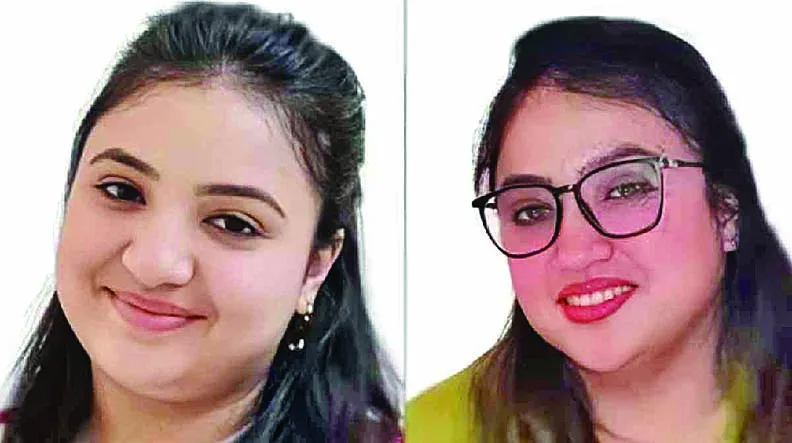
In Bhopal, police recently uncovered an alleged exploitation racket run by two sisters, Amreen and Afreen, along with their associates. They reportedly lured women with promise of jobs, then forced them into abusive situations with their friends and partners. The victims were allegedly threatened with defamation and pressured to wear burqas and convert their religion.
Following a complaint, police registered cases of rape and forced religious conversion against six accused. Investigations also revealed that victims were taken to cities like Mumbai and Ahmedabad, where they were further exploited.
Gym Jihad
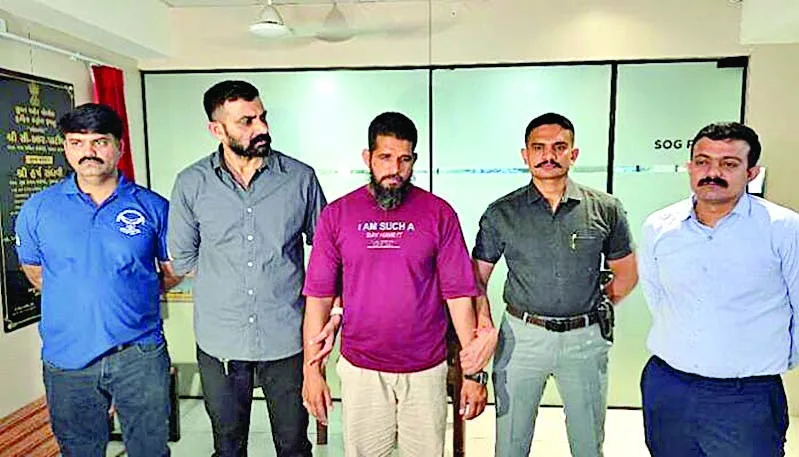
A Muslim gym trainer Shabbir Asgar was arrested in Surat, Gujarat on April 15, for blackmailing a Hindu woman’s husband using her private photos and demanding Rs 5 lakh. Shabbir Asgar was caught by the Special Operations Group (SOG) police after a complaint was filed at Pal Police Station
10. In Greater Noida on June 12, 2021, a Dalit Hindu woman working in a private sewing unit was allegedly abducted by co-workers and associates after resisting pressure to convert, with her family accusing three Muslim women and one man; valuables worth Rs 70,000 were stolen, and a video of her offering namaz was sent to her father along with threats and monetary inducement to stay silent.
Role of women in Islamic Radicalisation
One of the most striking and often overlooked aspects in cases like Nashik is the role played by women themselves in facilitating grooming, indoctrination and conversion. This dimension is critical because it allows such networks to penetrate spaces that men alone often cannot access easily, friend circles, emotional vulnerabilities and personal trust zones. In the Nashik case too, names like Nida Khan and Mahrin bring this angle into sharp focus, raising a larger question: is this an exception, or part of a deeper, structured pattern?
- In the TCS case of Nashik, one of the key factors that has come to light is Muslim women facilitating the conversion of Hindu women alongside men. Two names remain central, Nida Khan, who now has suspected links to the Delhi Bomb Blast accused Shaheen, and Mahrin, who was actively grooming the Dalit woman Maya. Is this the only instance of women playing such roles? A look at past cases suggests otherwise:
- Kerala ISIS recruitment network: The 2016 Kerala cases exposed a structured pipeline where women acted as both recruits and facilitators through centres like Sathyasarani in Malappuram. Individuals like Aparna, Nimisha alias Fathima and Merrin alias Mariyam were converted, married to recruits and routed toward Afghanistan. Recruiters like Sheena Farzana and Naser were arrested. At least 21 individuals left Kerala for ISIS, with dozens of conversions and over 70 documented cases linked to the centre, supported by funding and ideological backing from larger networks.
Grooming Gangs in Bharat
Many investigations over the years have revealed structured networks operating with planning, funding, and coordination. Understanding these larger ecosystems is crucial because they show scale, continuity and method—far beyond isolated allegations
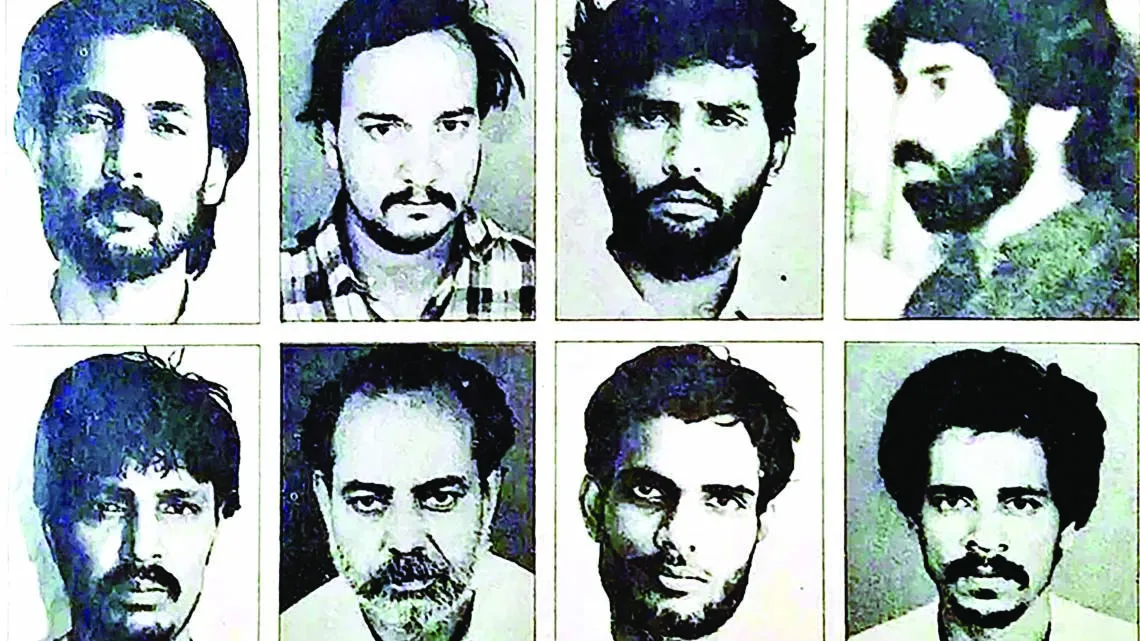
- The Ajmer 1992 scandal involved a network of accused linked to influential Khadims of the Ajmer Sharif Dargah, with key names including Farooq Chishti and others from the Chishti family. Over 200 Hindu girls were trapped through false promises of marriage and jobs, then blackmailed using obscene photos and videos. The scale was massive, and alleged local protection allowed the racket to continue for long, setting a pattern of organised grooming and coercion.
- In the Morena coaching institute case, the main accused Aslam Khan, who operated under the fake Hindu identity “Abhi,” targeted Hindu girls through the Insaniyat Digital India Computer Institute, with assistance from a woman identified as Asiya. Victims were secretly filmed and blackmailed, with over 20 suspected victims and possible links extending to cities like Meerut and Ghaziabad, indicating a wider network.
- The Mandsaur case centres on Mubarak Mansuri, who posed as a Hindu tantrik for over a decade to gain the trust of rural families. He allegedly targeted 40 to 50 women, sedated them, sexually exploited them, and
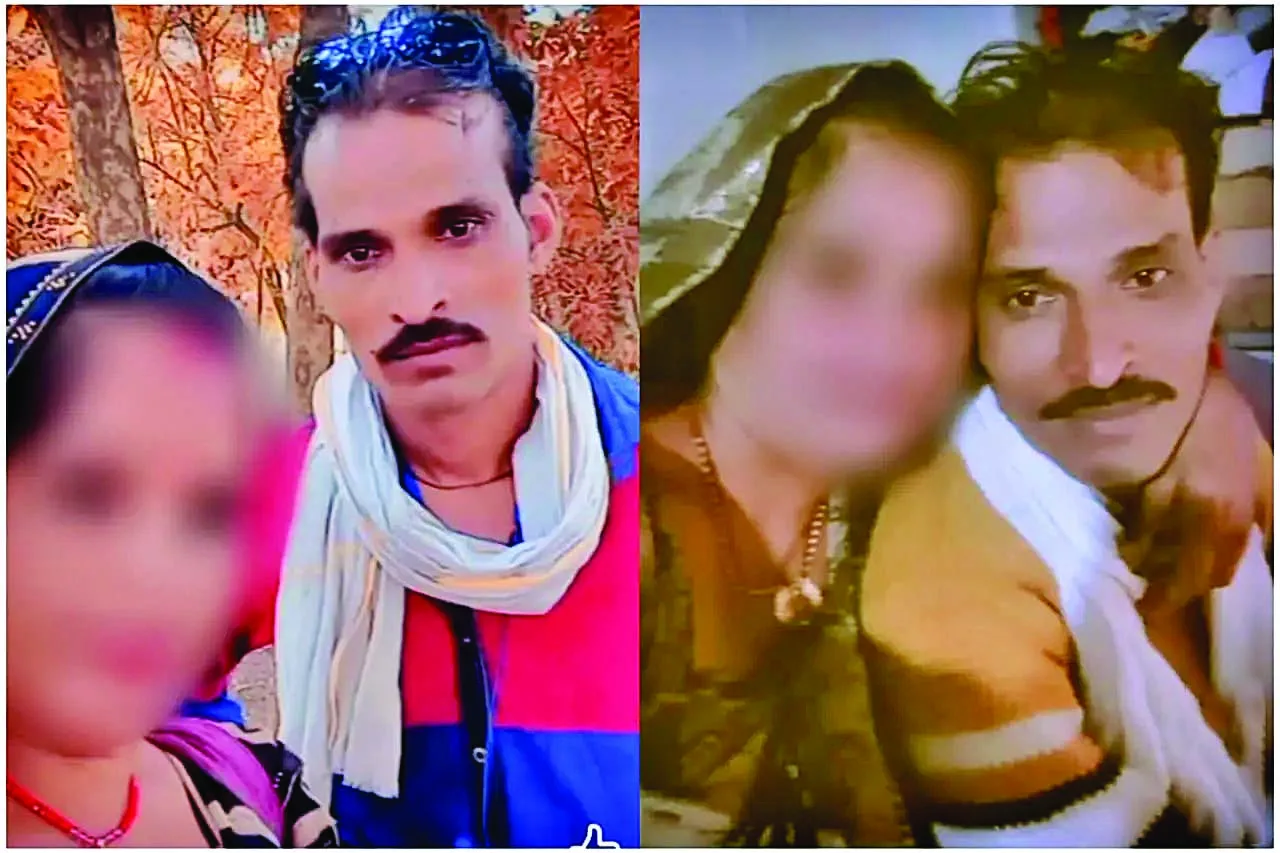 recorded videos for blackmail. The scale and duration of the operation highlight a deeply entrenched and systematic abuse model.
 - In Kushinagar, the racket led by Jairunnisa along with Arman Ali, Arbaad, and Ikramul involved luring minor Hindu girls with promises of marriage, forcing conversion, and trafficking them to Mumbai. Though smaller in number, the operation shows a direct link between conversion and trafficking, with confirmed victims and arrests.
- The Aligarh disappearances are linked to Mohammad Umar Gautam and his associate Mufti Qazi Jahangir, with a network that used social media and encrypted platforms to target victims. At least 97 women, including minors, went missing, with confirmed conversions and suspected trafficking, pointing to a large and technologically driven operation.
- The Prayagraj case involved Darkasha Bano, Mohammad Kaif, and Mohammad Taj, who targeted a Dalit minor through emotional manipulation and ideological conditioning. The victim was moved across states and forced into conversion, showing planning and coordination within a focused but serious network.
- Under Mission Asmita, the key accused Abdul Rehman, originally Mahendra Pal, along with multiple associates, operated across six states using digital tools and covert funding. Victims were manipulated and converted using coded language, with arrests made and investigations continuing into links with organisations like PFI and SIMI.
- The Bhopal college racket was led by Farhan, with associates including Sahil Khan, Ali Khan, Saad, Nabeel, and Abrar. The group targeted Hindu students, lured them into relationships, recorded compromising videos, and used them for blackmail and conversion. Multiple FIRs and arrests revealed a repeated and organised pattern.
- In Fatehpur, Maulana Hafiz Firoze Alam led a local network that targeted non-Muslim girls through inducement and exploitation, using local youths to lure victims and then pushing conversion through marriage. His arrest in 2021 exposed a long-running operation embedded within the local ecosystem.
- In Gujarat’s Bharuch, Varyava Abdul Vahab Mahmood, along with associates like Shabbirbhai and Samadbhai Bakerywala, ran a 15-year operation converting 37 families and around 100 individuals. The method involved monetary inducements, forced identity changes, and use of welfare fronts to mask activities.
- Salahuddin Zainuddin Sheikh, a Vadodara-based figure, was linked to funding conversion activities and religious infrastructure, with alleged financial flows of around 60 crore rupees via hawala and 19 crore through foreign donations. His case highlights the financial backbone behind such networks and possible terror links.
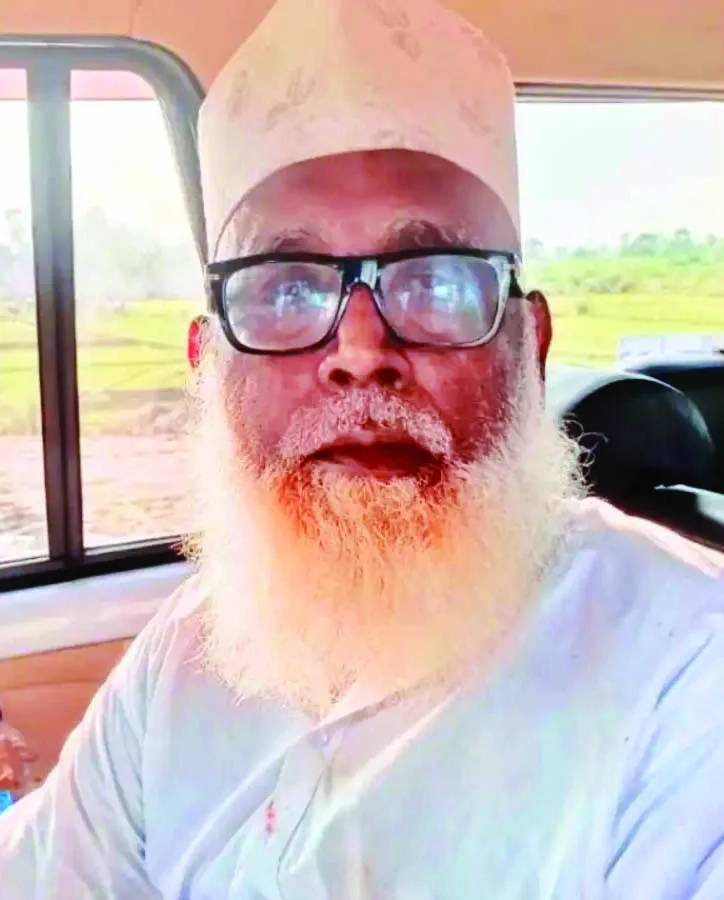
- The Chhangur Baba network, led by Karimulla Shah alias Chhangur Baba, along with his son Mehoob, associate Neetu alias Nasreen, and Naveen, operated across 579 districts with over 3,000 agents. The method involved organised targeting of Hindu girls through coordinated “love trap” strategies, supported by coded communication. Funding from Pakistan, Dubai, Saudi Arabia, and Turkey routed through Nepal crossed 100 crore rupees, with arrests by ATS and an ongoing ED investigation revealing the full scale.
- Female ISIS operatives: Women like Sonia Sebastian alias Ayesha and Yasmeen Zahid moved beyond recruitment into operational roles. Ayesha handled ideological sessions and funding channels, while Yasmeen recruited at least 15 individuals. Nimisha’s case highlighted how women were embedded into transnational jihad structures through marriage and relocation. These networks operated across Kerala, Sri Lanka routes and Afghanistan with digital and financial coordination.
- Jamat-ul-Muminat module: The 2025 exposure of this women’s wing of Jaish-e-Mohammed showed educated female operatives like Dr. Shaheen Saeed playing roles in recruitment and coordination. Investigations revealed links with Pakistan-based handlers and structured online radicalisation sessions, indicating a shift toward organised, educated female-led modules.
- Dukhtaran-e-Millat: Led by Asiya Andrabi, this group represents decades-long women-led radicalisation in Kashmir. Through veiling campaigns, moral policing and mobilisation during unrest, women cadres played a central role. Funding came via hawala and international channels, and Andrabi’s life sentence in 2026 highlights the scale and longevity of such networks.
- Khawateen wings: Women’s wings across networks have acted as force multipliers. In modules like the Andhra Pradesh case led by Rahamathullah Sharif, women played key roles in recruitment and cross-border linkages. Propaganda, logistics and grassroots access were often handled by women, making these networks deeper and more sustainable.
What stands out in the Nashik episode is not just the scale of allegations, but the unsettling silence around it. Despite multiple FIRs, detailed testimonies and a clear pattern, much of the mainstream media chose to look away. Victims were left unheard. Questions remained unanswered. In this silence, Organiser Weekly continued to persist. It tracked and reported every layer, from the first complaint to the chain of FIRs, without diluting facts or abandoning the story. It did not just report an incident. It gave voice to those who were being ignored. More importantly, it placed Nashik within a wider pattern emerging across regions and institutions. This is not just about one company. It is a growing concern. And silence does not reduce it, it allows it to deepen.