The Special Intensive Revision (SIR) of electoral rolls ahead of the 2026 West Bengal elections has emerged as one of the most extensive electoral exercises in recent years. With nearly 90 lakh names removed from the voter list, the scale of the operation has drawn nationwide attention and positioned it as a significant administrative effort to refine electoral data.
At the centre of this exercise is Gyanesh Kumar, who has overseen similar revisions across multiple states. The Election Commission of India has maintained that the process is a routine but essential mechanism designed to eliminate duplicate, shifted, and deceased voters, thereby ensuring that electoral rolls remain accurate and credible.
A nationwide clean-up exercise
The SIR process is not unique to West Bengal. Over the past two years, similar large-scale revisions have been conducted across the country. In 2024, approximately 18.6 lakh names were removed in Andhra Pradesh, 21.5 lakh in Maharashtra, 5.8 lakh in Haryana, and 9.4 lakh in Odisha.
In 2025, the exercise continued with 11.2 lakh deletions in Delhi and a substantial 46 lakh in Bihar. Southern states also witnessed significant revisions, with Kerala recording around 8.57 lakh deletions and Tamil Nadu nearly 74 lakh. Gujarat reported one of the highest correction rates at approximately 13.4 percent.
Seen in this broader context, the deletions in West Bengal align with a nationwide push toward electoral roll purification, even if the absolute numbers appear large.
Why West Bengal matters?
West Bengal’s unique geographical and political context makes such an exercise particularly significant. The state has a long history of politically sensitive elections and complex demographic dynamics. Over decades, concerns around electoral irregularities, duplicate entries, and outdated records have periodically surfaced.
In such a scenario, a comprehensive revision becomes not just an administrative requirement but a structural necessity to maintain the credibility of the electoral process.
The SIR exercise has reportedly brought to light multiple discrepancies within voter lists. These include:
1. Entries of deceased individuals that remained active for years
2. Duplicate and multiple registrations under variations of the same name
3. Abnormally high numbers of voters registered at single addresses
4. Names of individuals who had migrated but were still listed
5. Underage entries added before eligibility
6. Implausible demographic data and inconsistencies in records
7. Identical photographs linked to multiple identities
8. Fake or unverifiable residential addresses
Such findings underscore the scale of data distortion that can accumulate over time in a system as vast as India’s electoral framework.
The border factor and demographic sensitivity
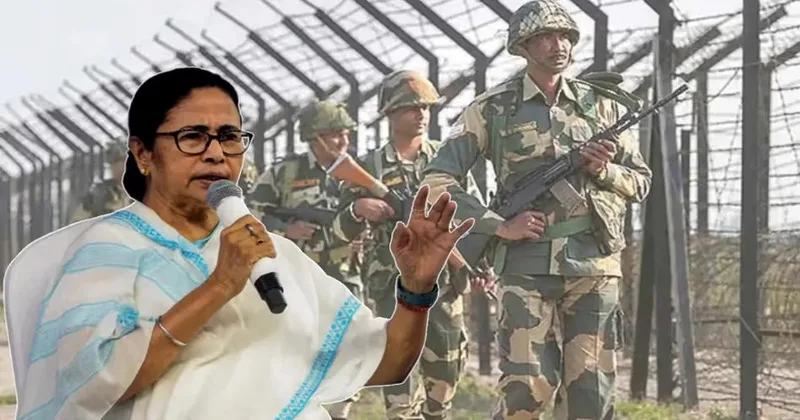
A key dimension of the West Bengal revision relates to its geographical proximity to Bangladesh. India shares a 4,095 km border with Bangladesh, of which West Bengal accounts for approximately 2,216 km, more than half.
Several districts, including North 24 Parganas, Nadia, Murshidabad, Malda, Uttar Dinajpur, Dakshin Dinajpur, Darjeeling, Cooch Behar, and Jalpaiguri, lie along this border. The linguistic and ethnic similarities across both sides have historically made cross-border movement difficult to monitor with precision.
Over the years, concerns have been raised about undocumented individuals entering India, acquiring forged identity documents, and eventually finding their way into voter lists. Official data indicating the apprehension and deportation of over 2,600 Bangladeshi nationals in the last three years highlights the persistence of this challenge.
In this context, a large-scale verification exercise inevitably leads to substantial corrections in electoral rolls.
Reports and visual evidence from border areas suggest increased movement following the announcement of intensified verification processes. Instances have been documented where individuals lacking proper documentation chose to relocate rather than undergo scrutiny.
Accounts from various locations indicate that some individuals openly acknowledged the absence of valid documents while exiting. Many had been working in sectors such as construction, transport, and small-scale businesses, blending into local communities over extended periods.
These developments point toward the tangible impact of stricter verification mechanisms on ground realities.
Electoral integrity and administrative responsibility
At its core, the SIR exercise reflects a broader institutional effort to strengthen electoral integrity. In a country with a vast and dynamic population, maintaining accurate voter rolls is a continuous and complex process.
The presence of judicial oversight, including interventions by the Supreme Court, ensures that such exercises operate within a framework of accountability and due process. This balance between administrative efficiency and legal scrutiny is central to the functioning of a robust democracy.
The West Bengal SIR 2026 exercise represents a significant moment in India’s electoral landscape. The scale of deletions, the nature of discrepancies uncovered, and the broader national context all point toward a systematic attempt to enhance the accuracy of voter rolls.
While political reactions continue to shape public discourse, the underlying objective remains clear: ensuring that electoral participation is based on verified and legitimate entries.